









ENGINEERING • COMPUTATION • APPLIED RESEARCH
Cognitave EE Store
Technical Publications & Engineering Systems
Research monographs, engineering textbooks, computational frameworks, case studies, and design tools developed by Cognitave Inc. and Maxdi Research.
Explore: EDFS & EDA · Finance EDDA · Quantum Engineering · RF/MW Services · Applied Mathematics · Institutional Research
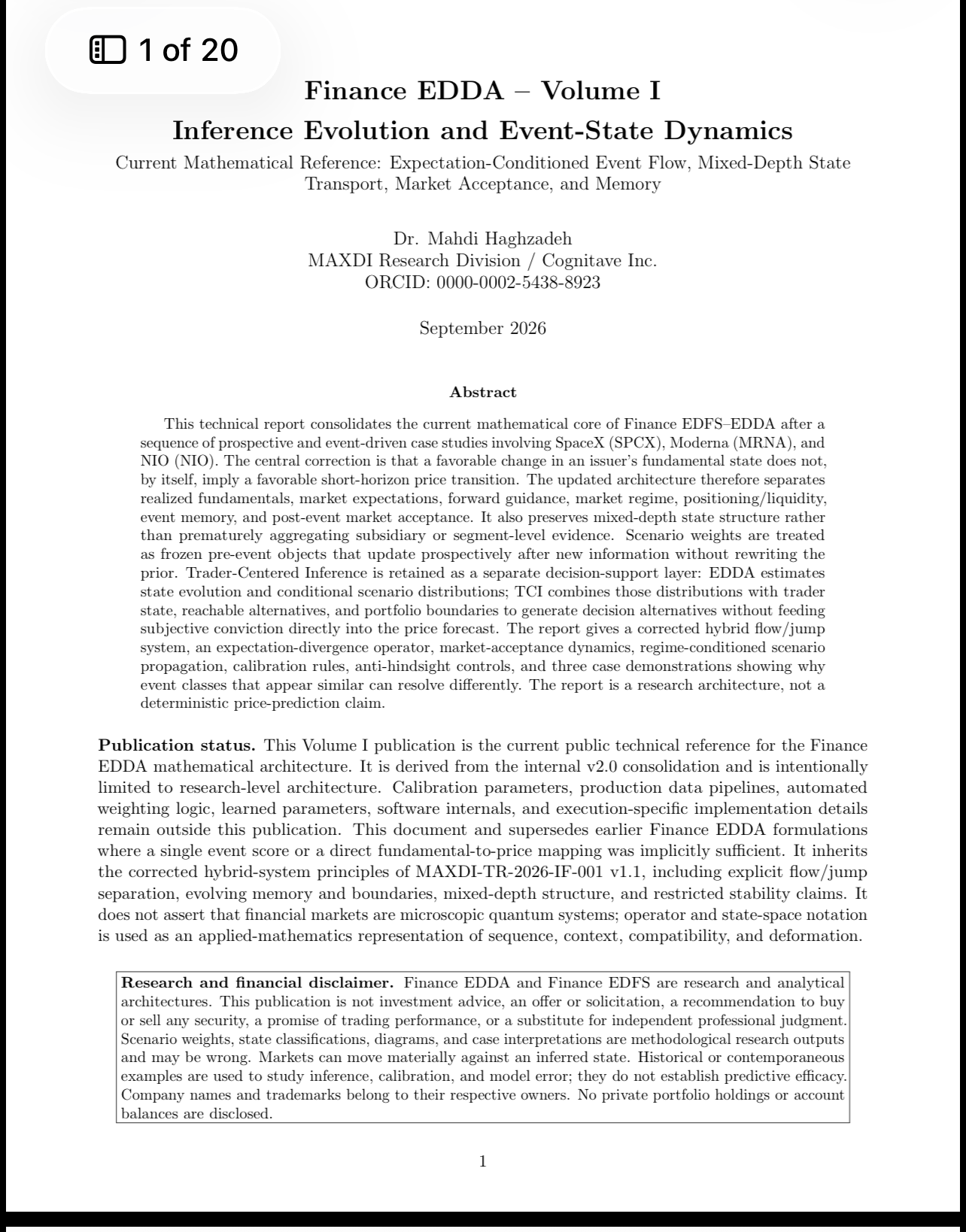
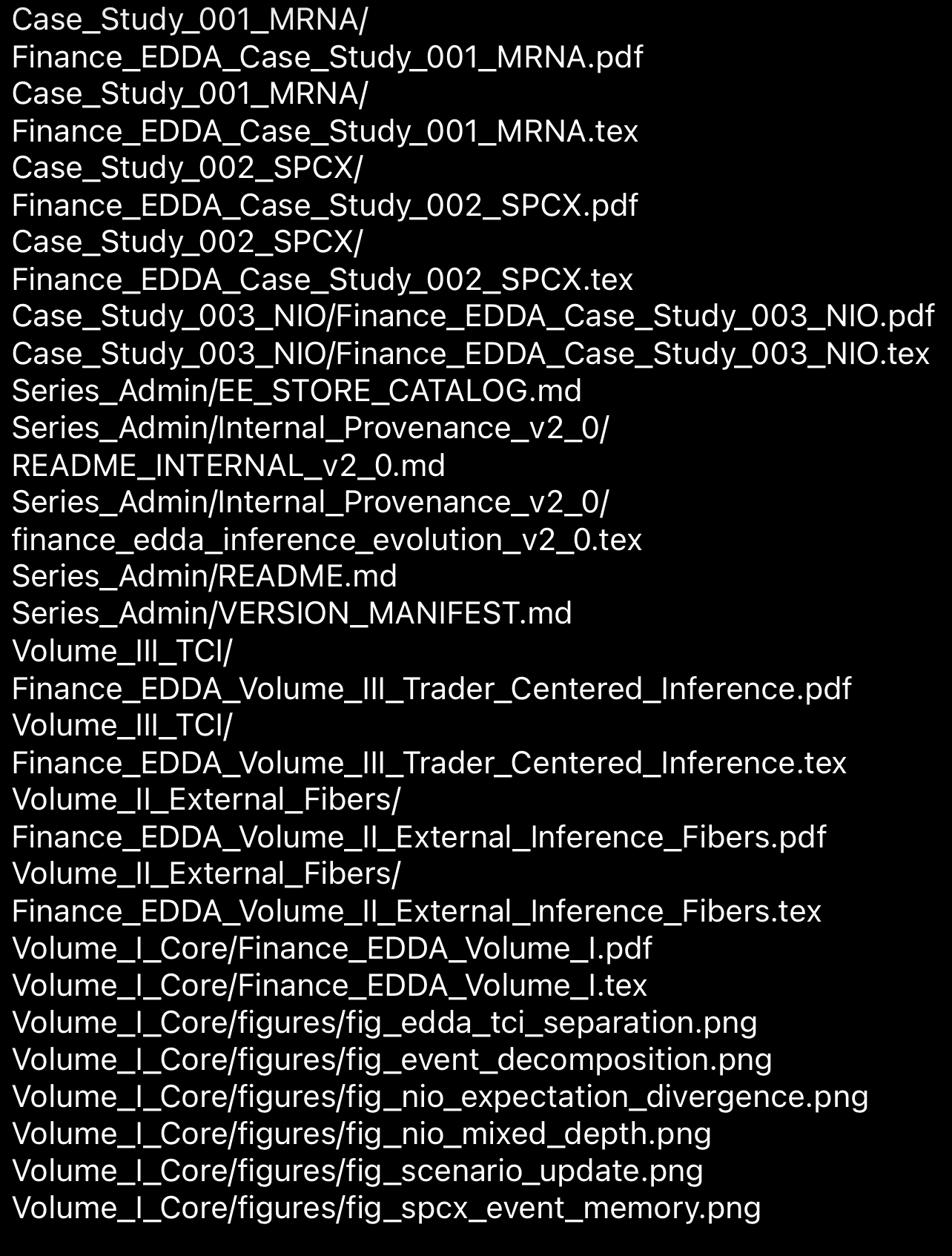
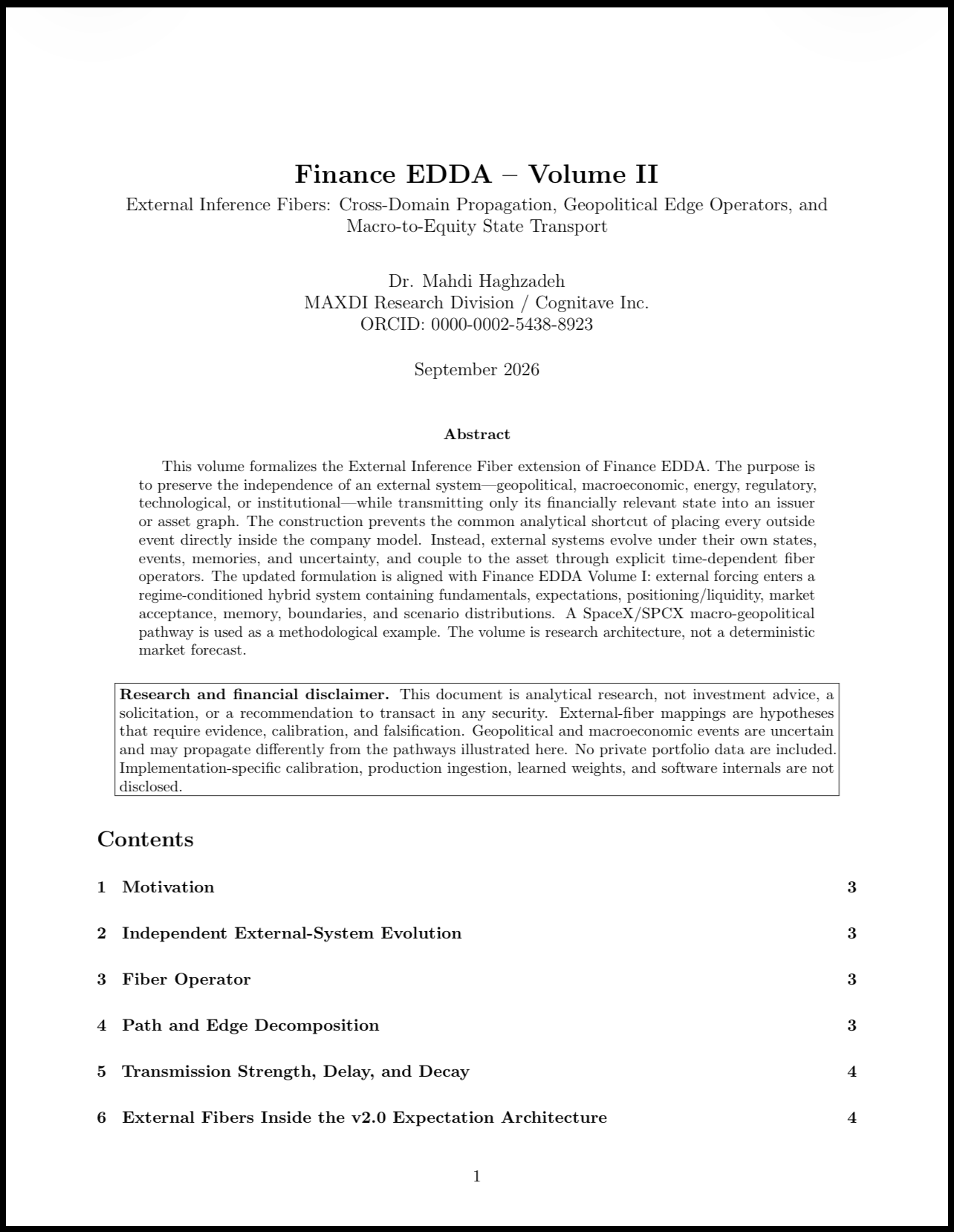
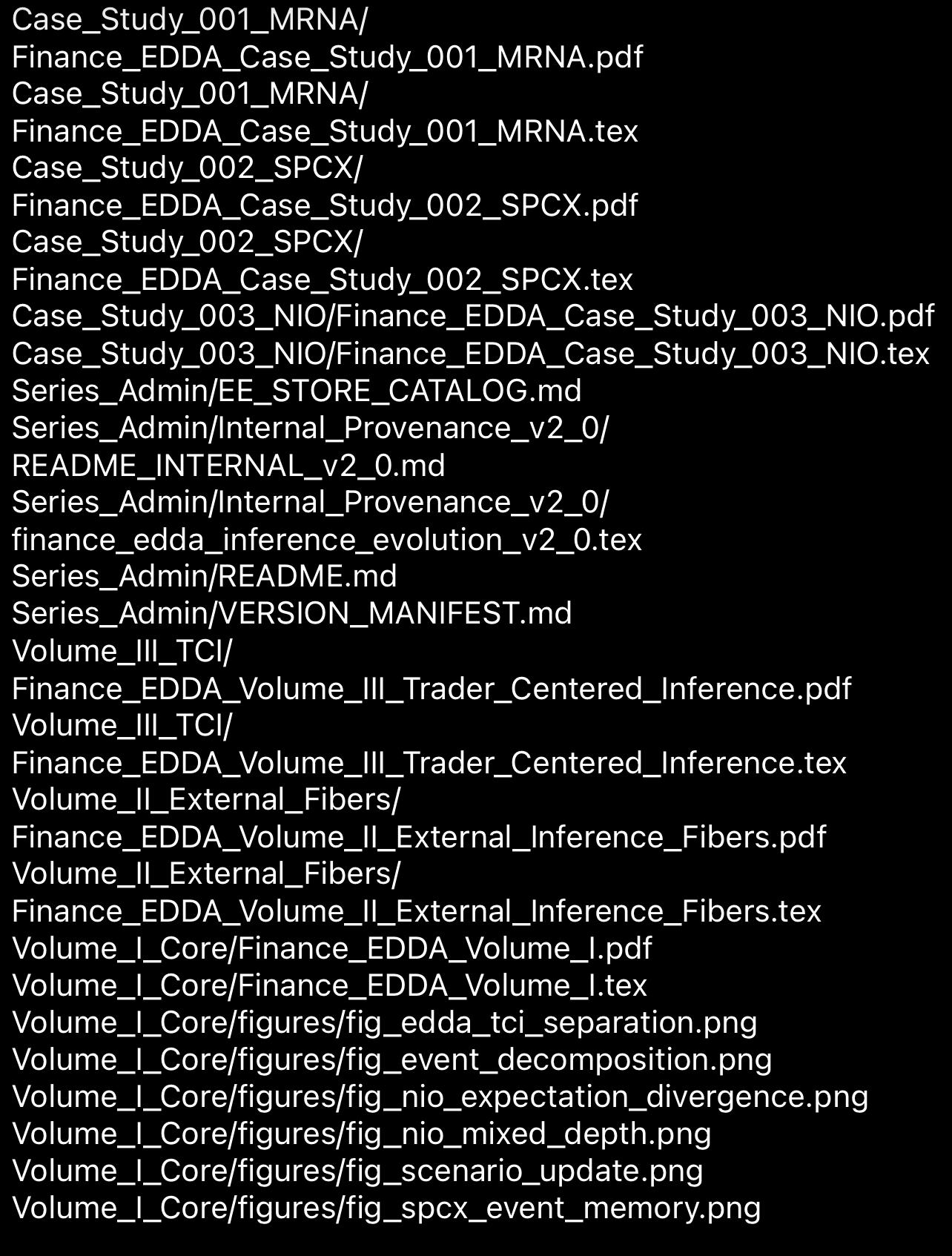
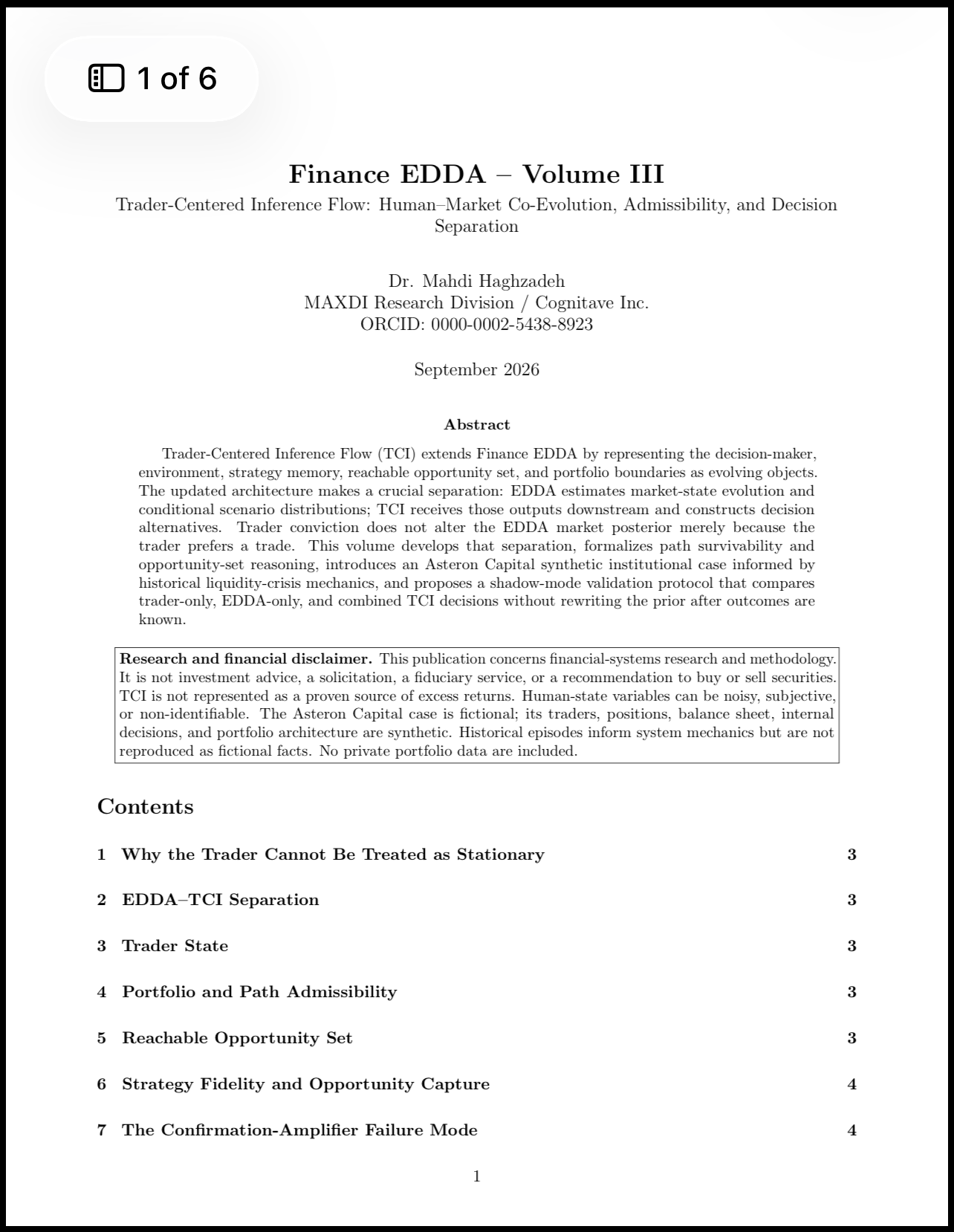
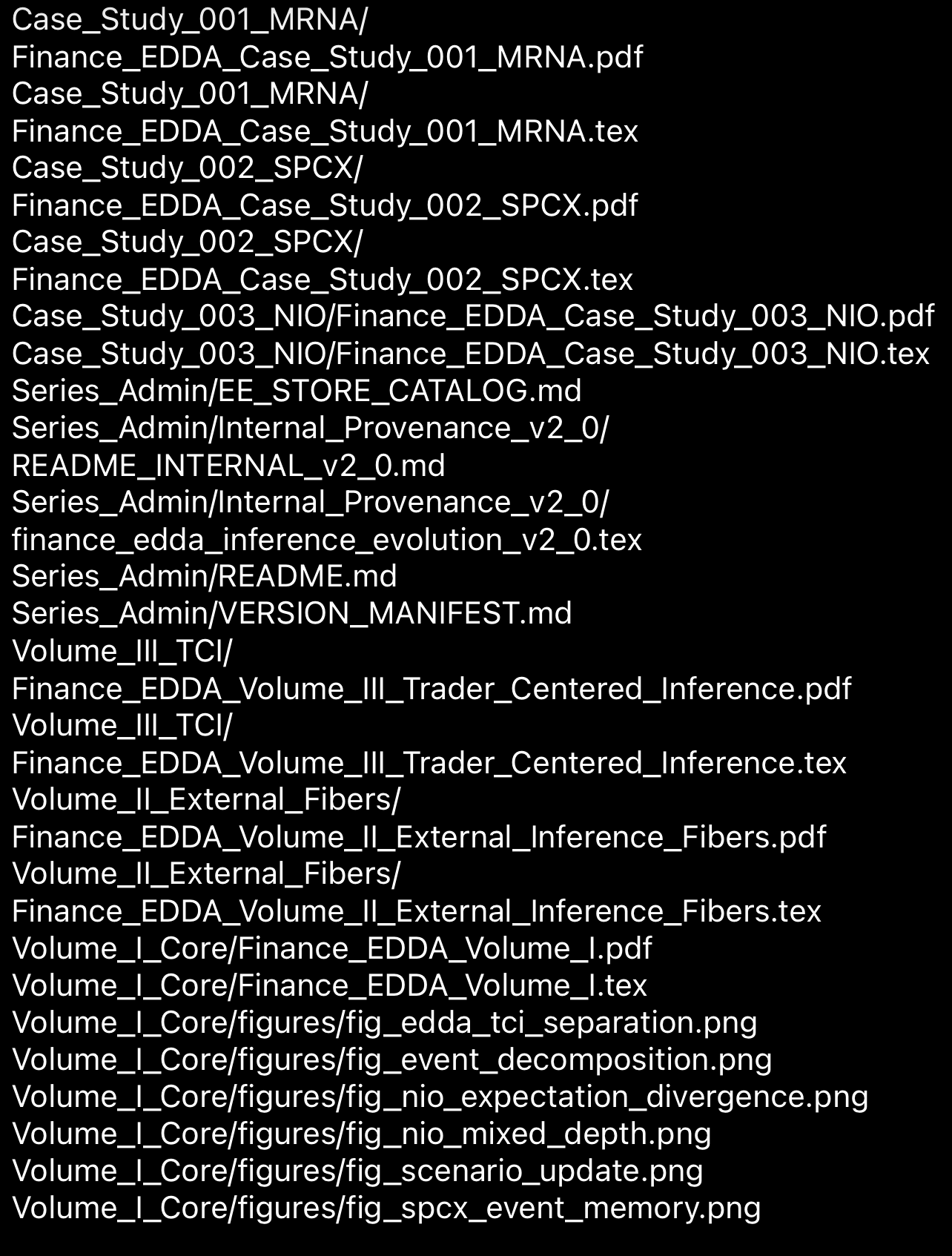
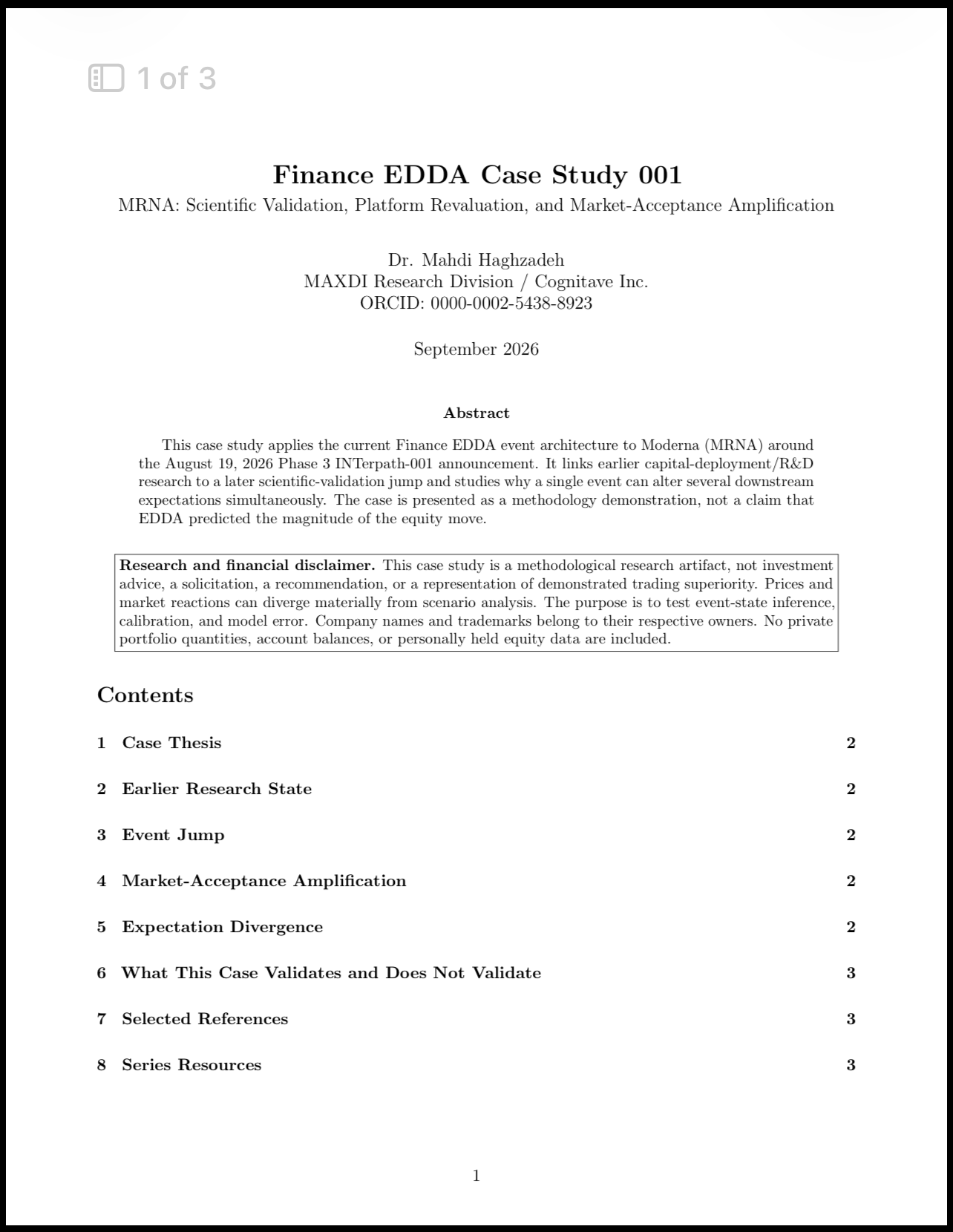
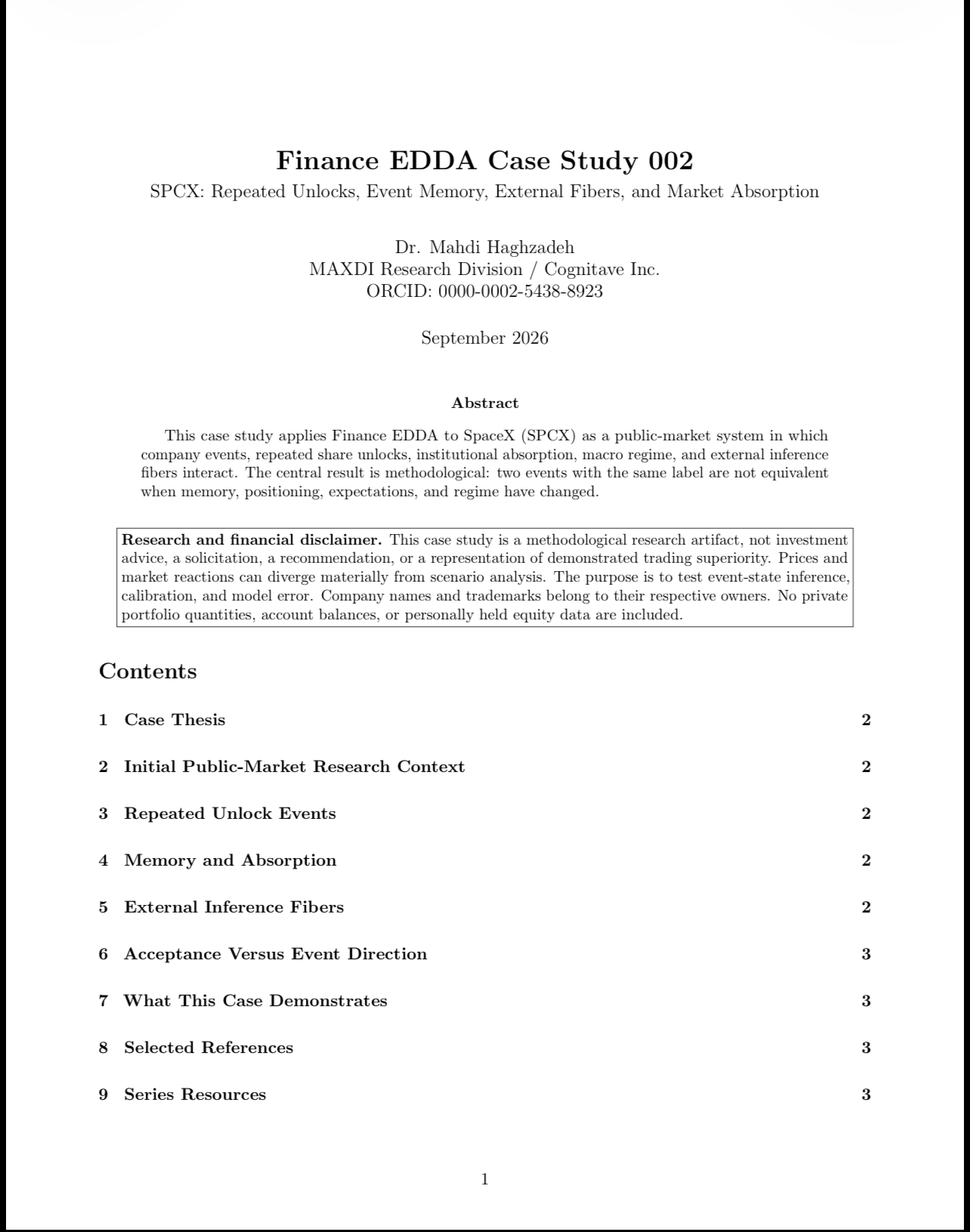
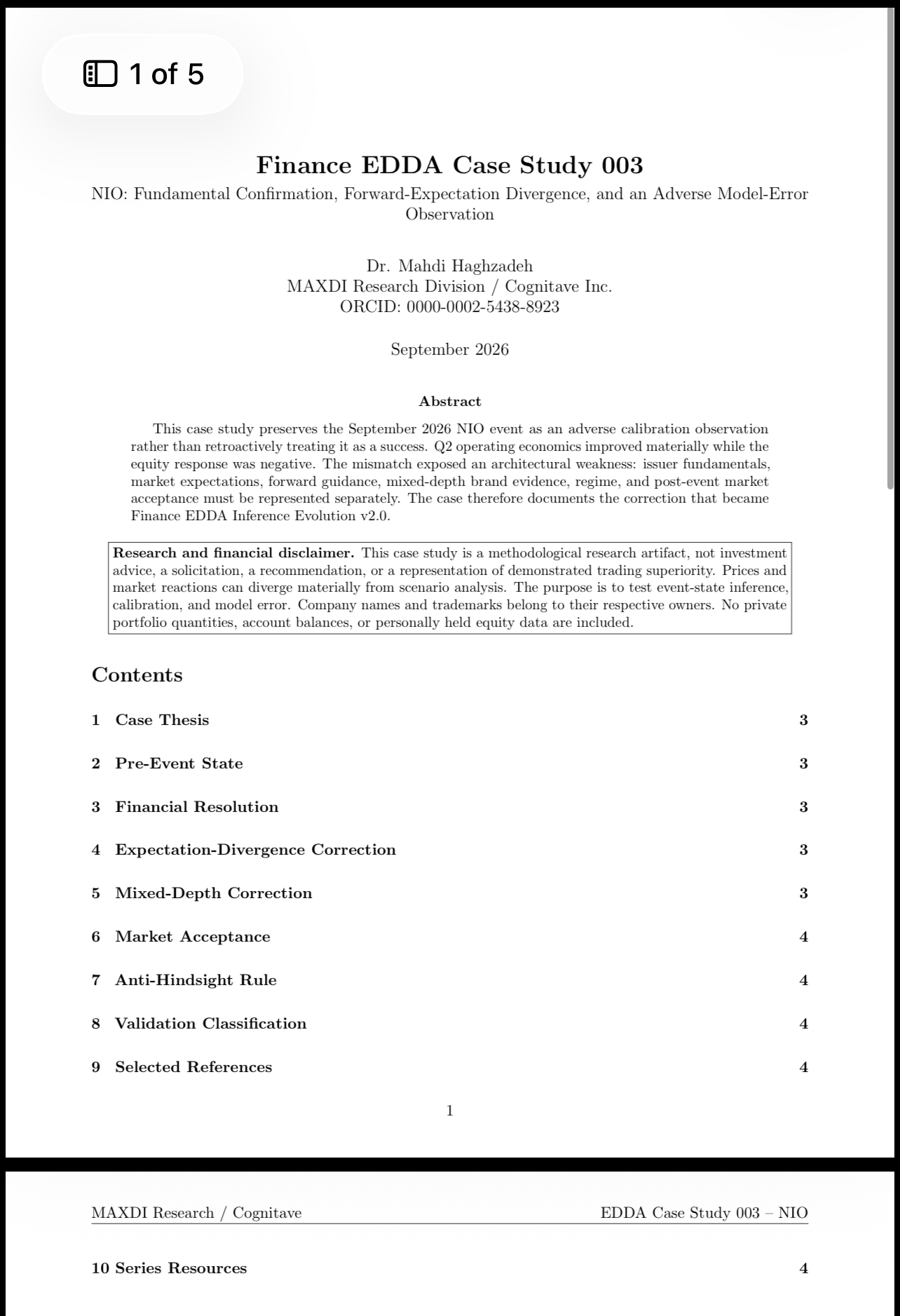
FINANCE EDDA — EVENT-STATE INFERENCE
Mathematical and computational research on financial markets as evolving event-state systems, spanning inference evolution, external information transport, trader-centered dynamics, and reproducible market case studies.
Volumes I–III · Case Studies · Research Papers · Webinars
EXPLORE FINANCE EDDA →
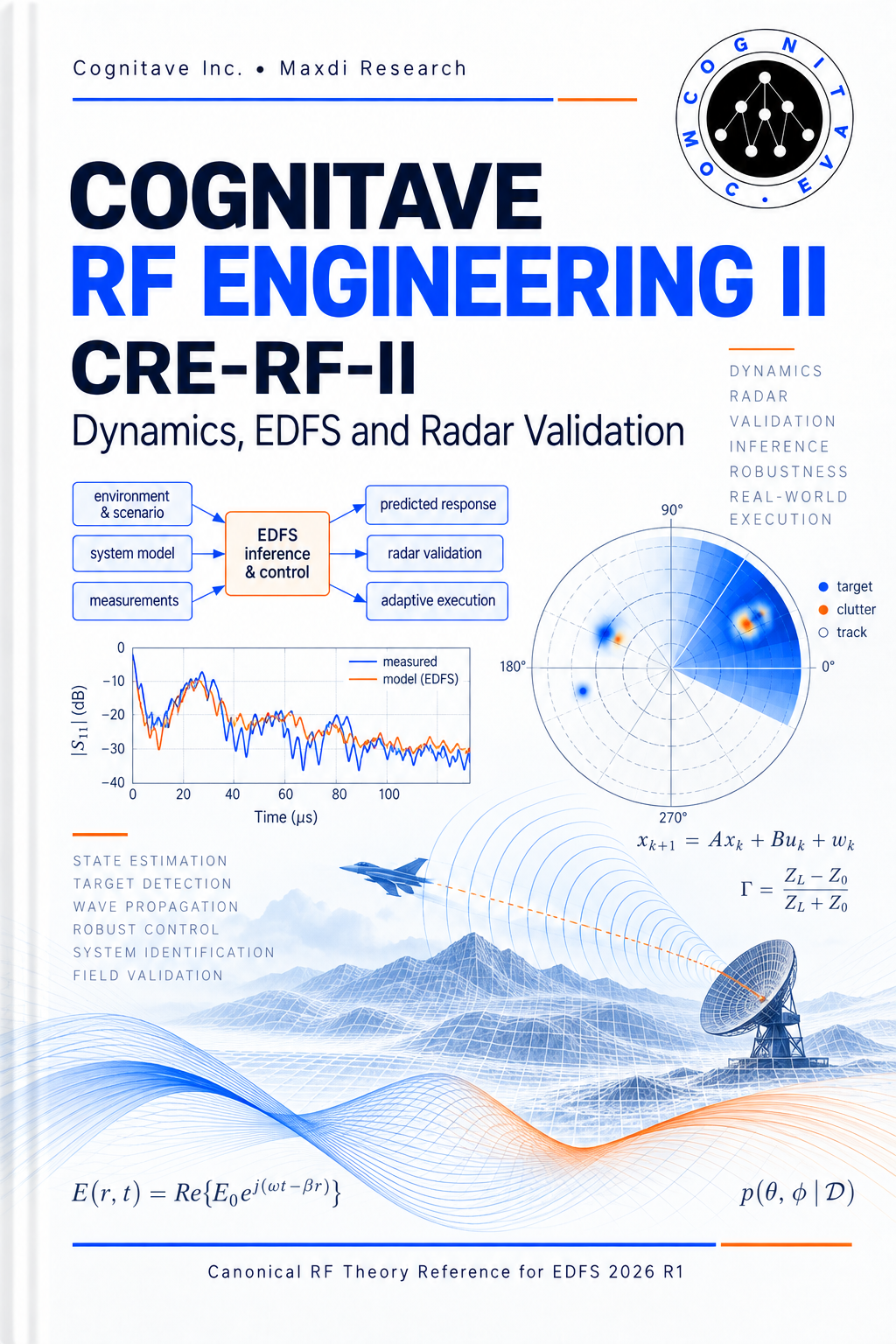
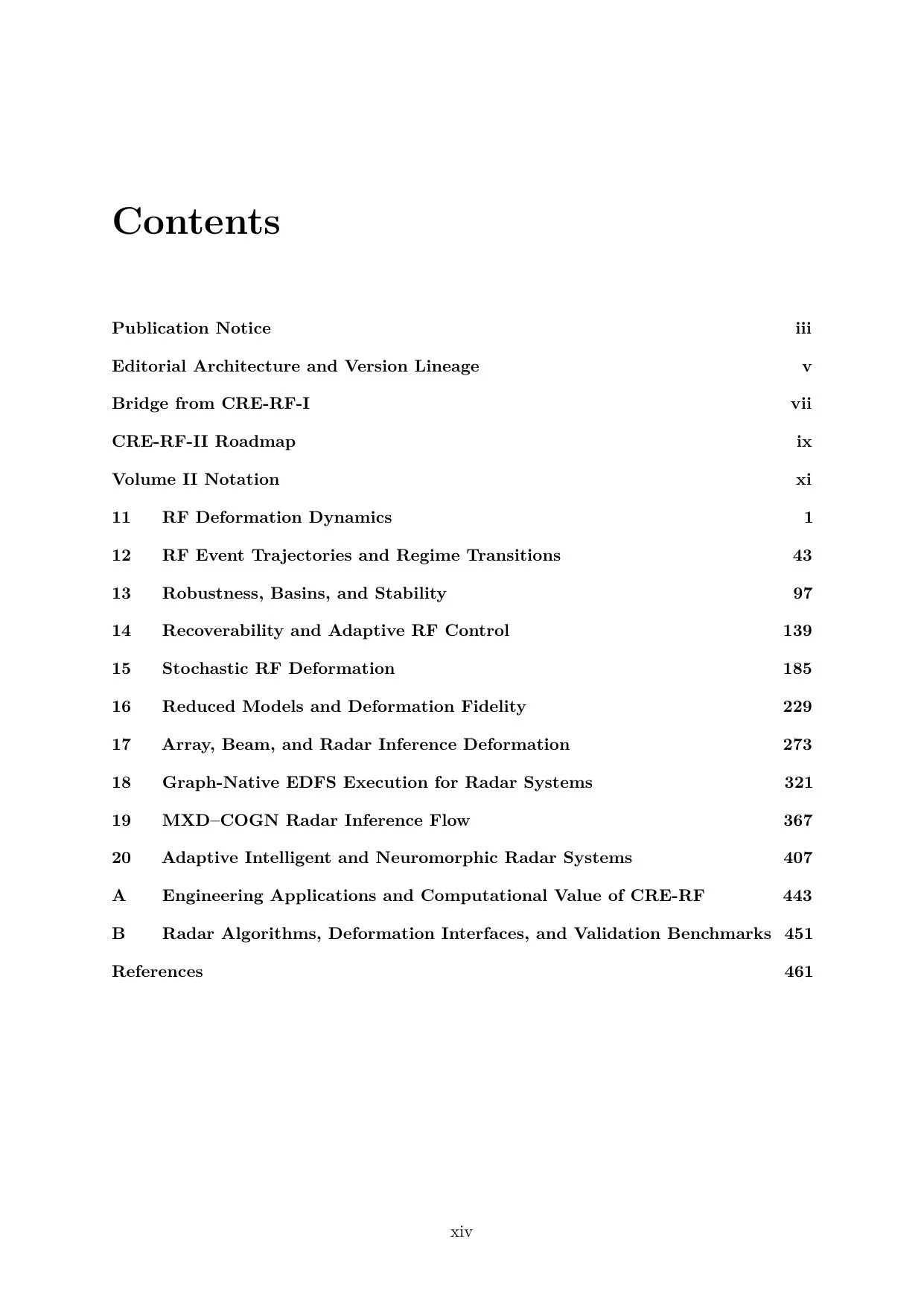
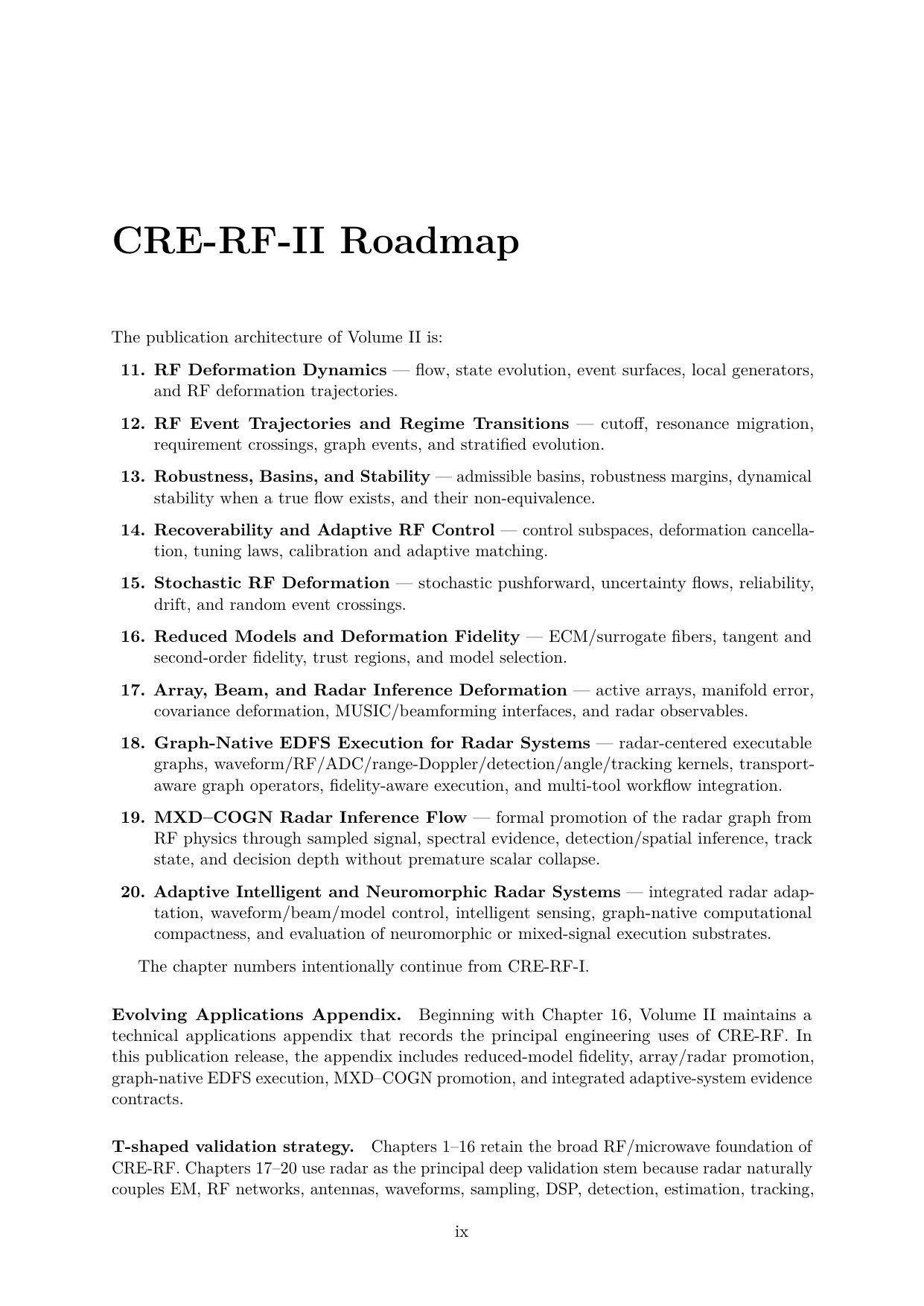
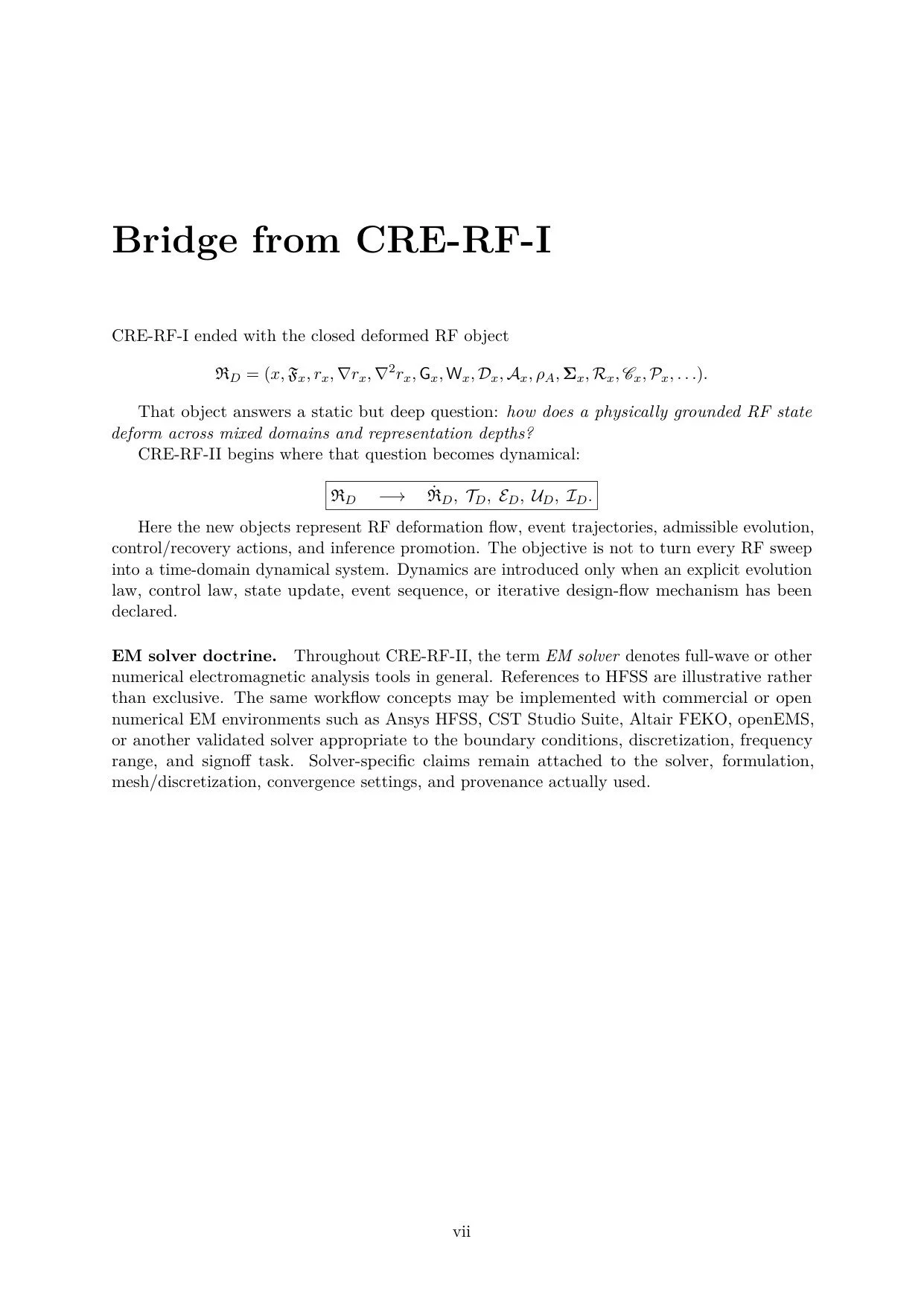
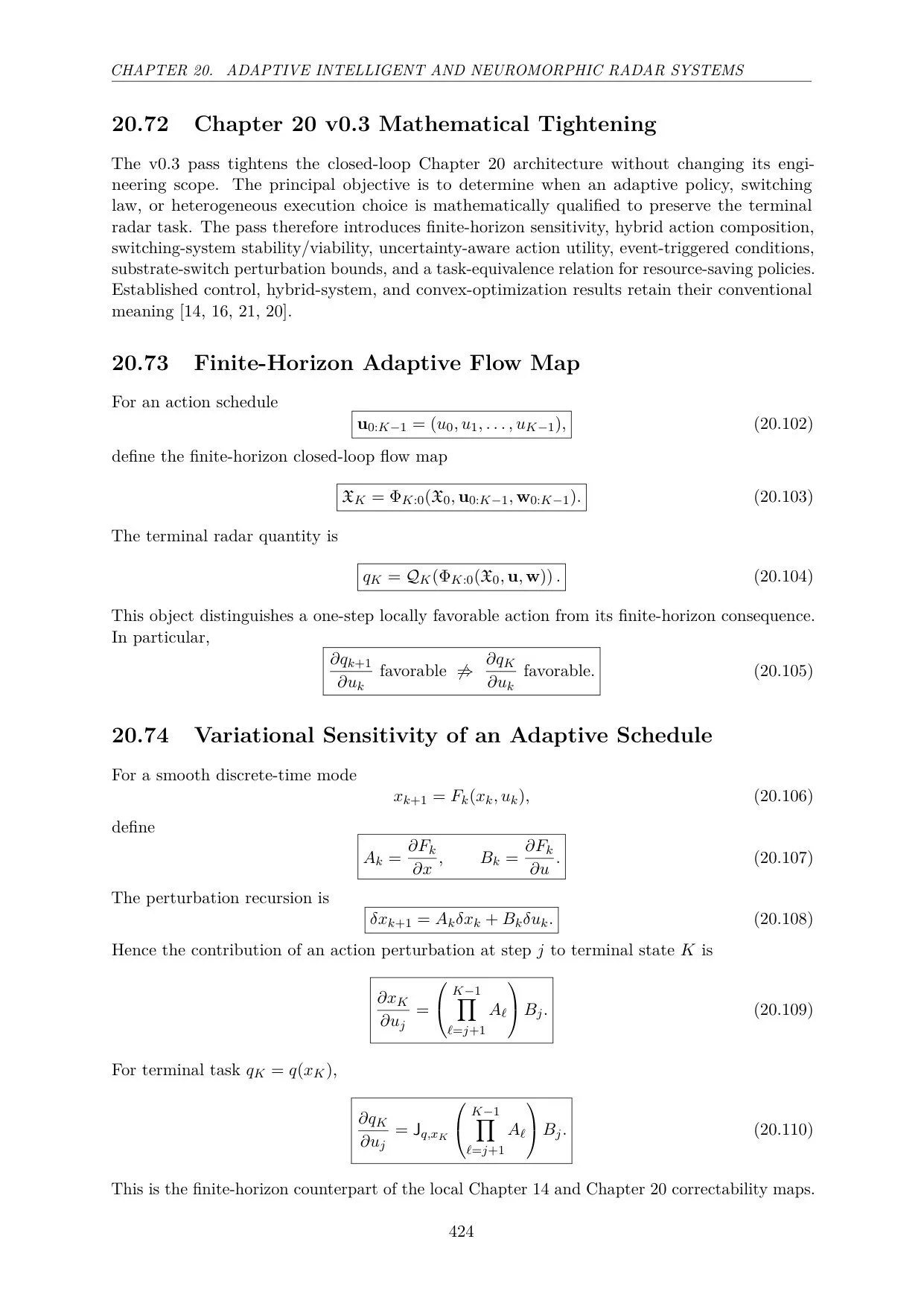
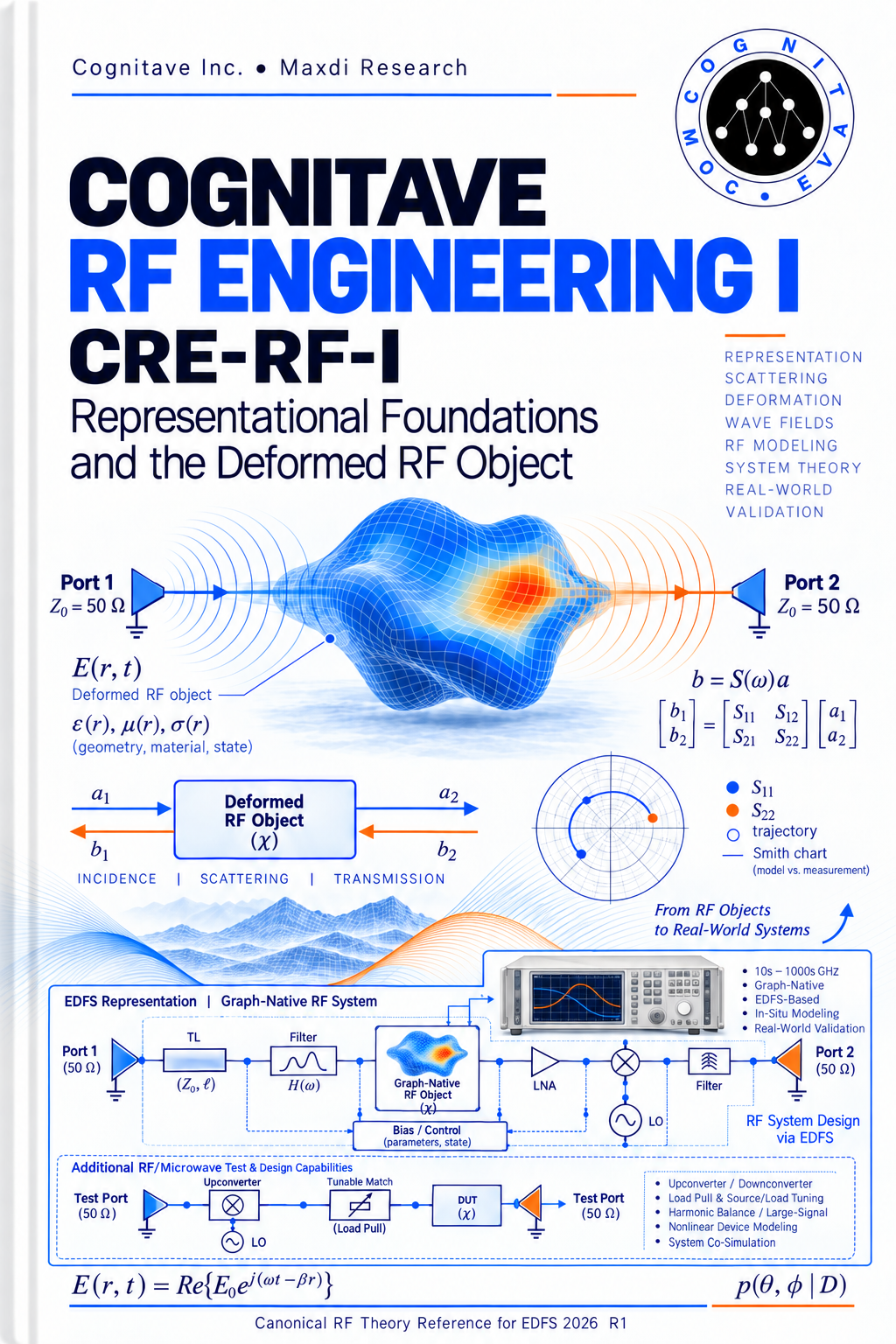
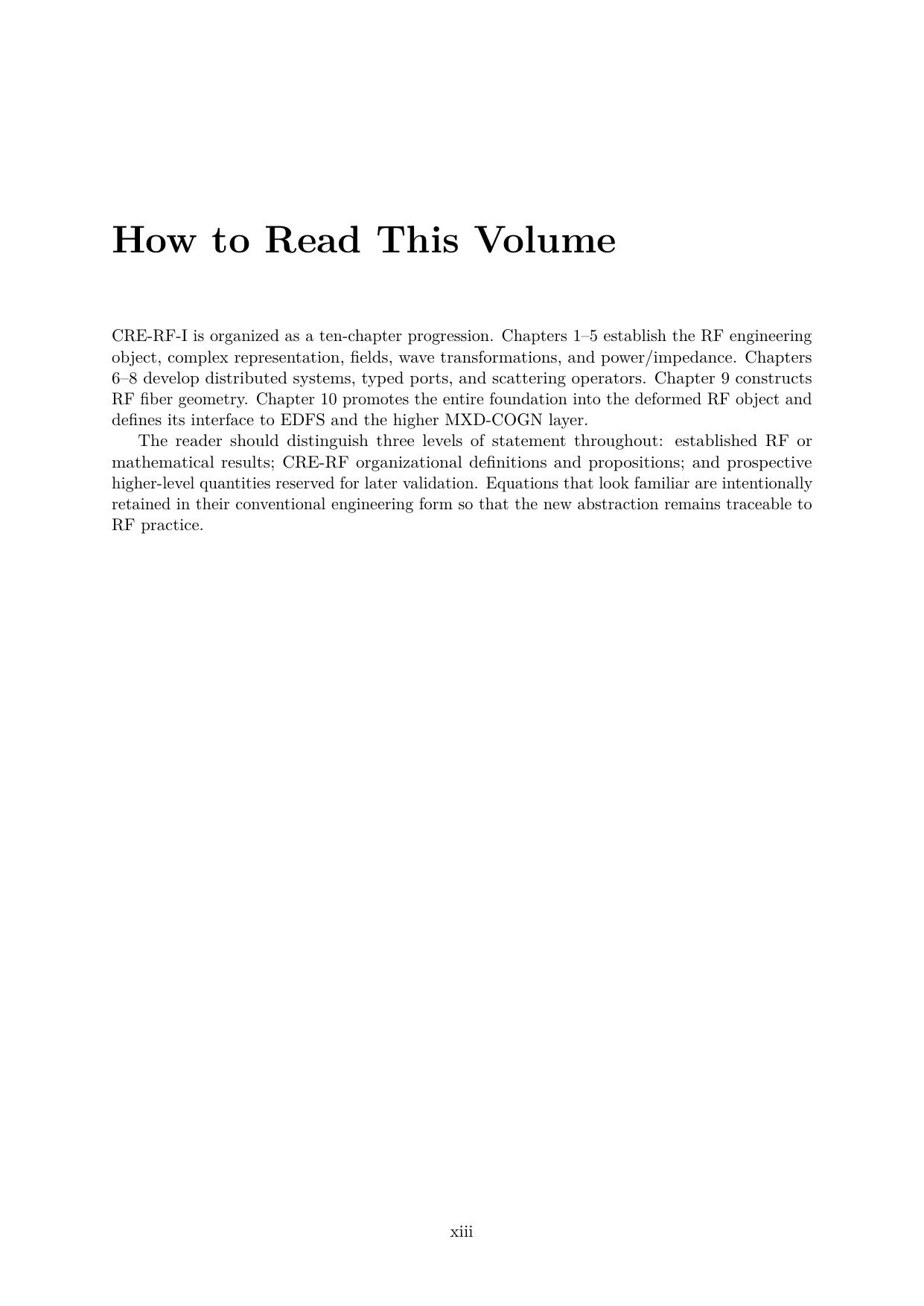
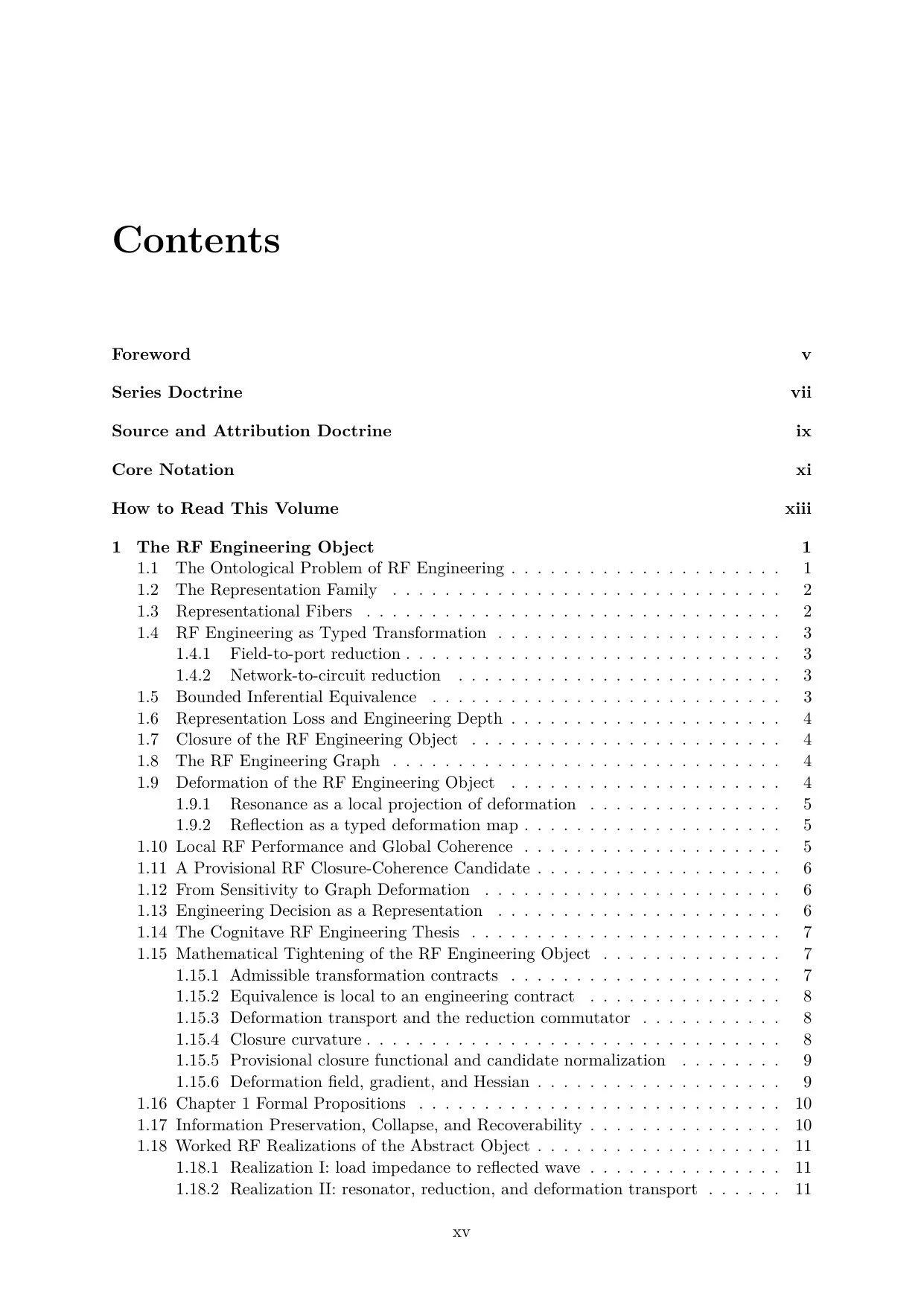
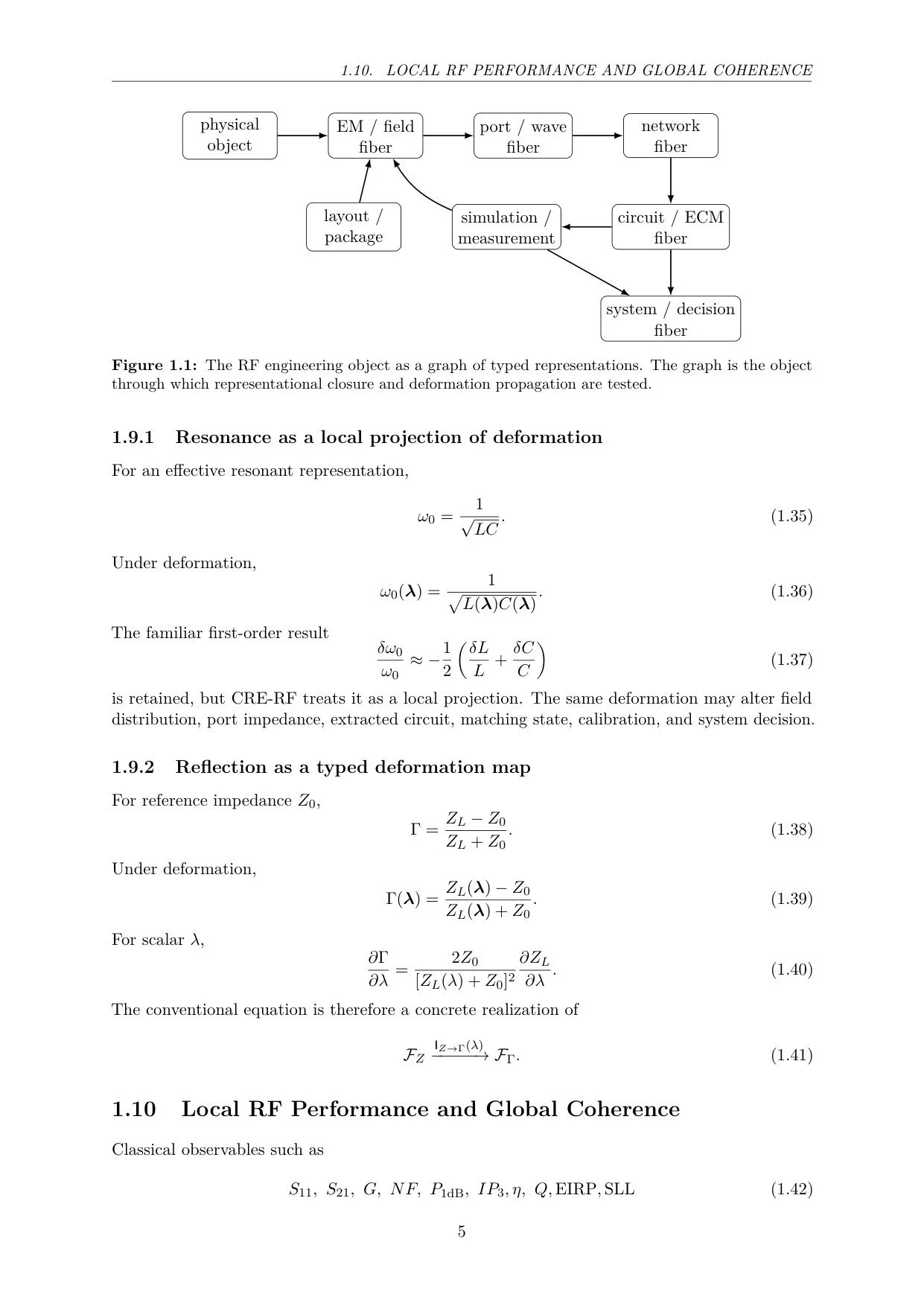
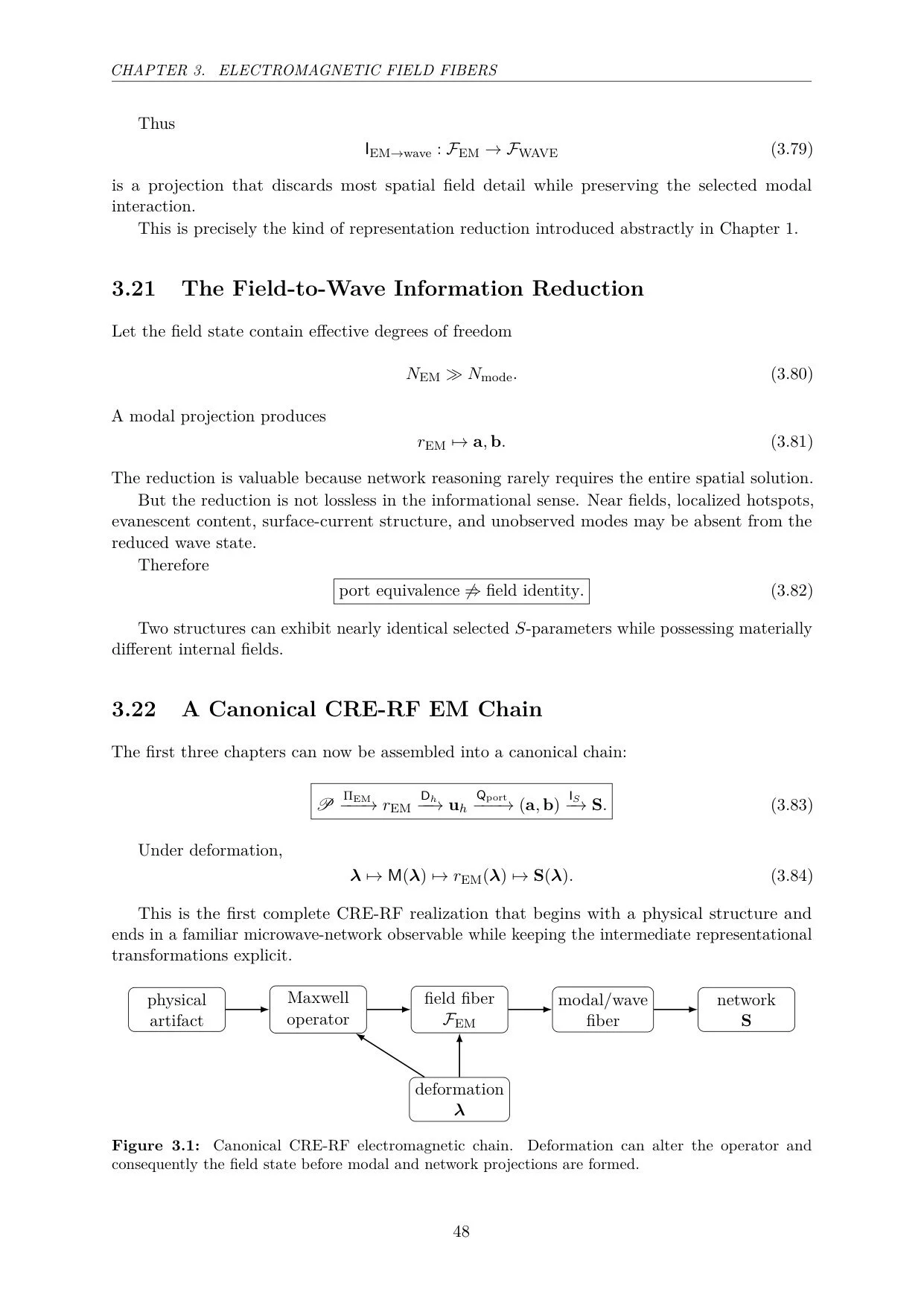
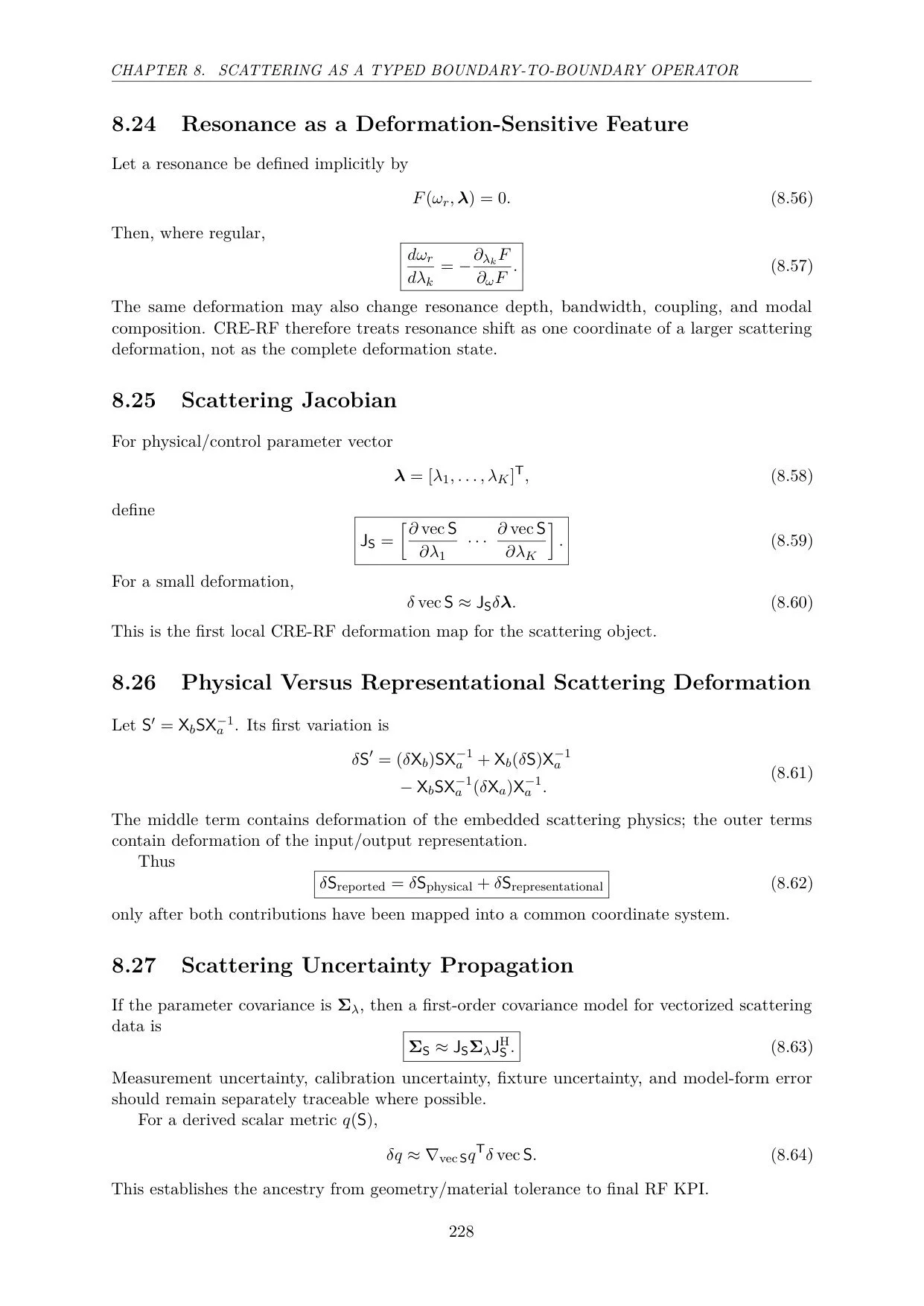
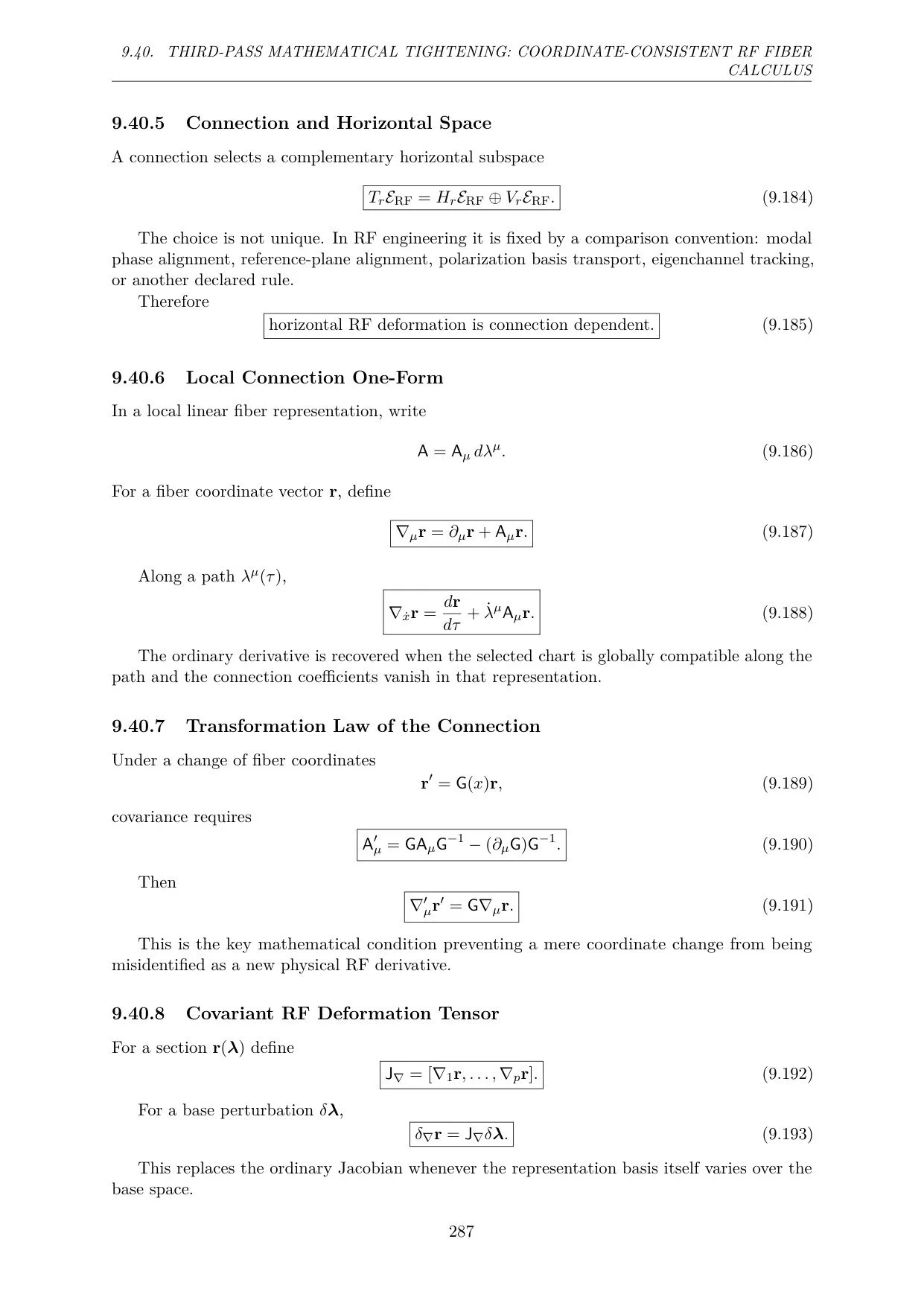
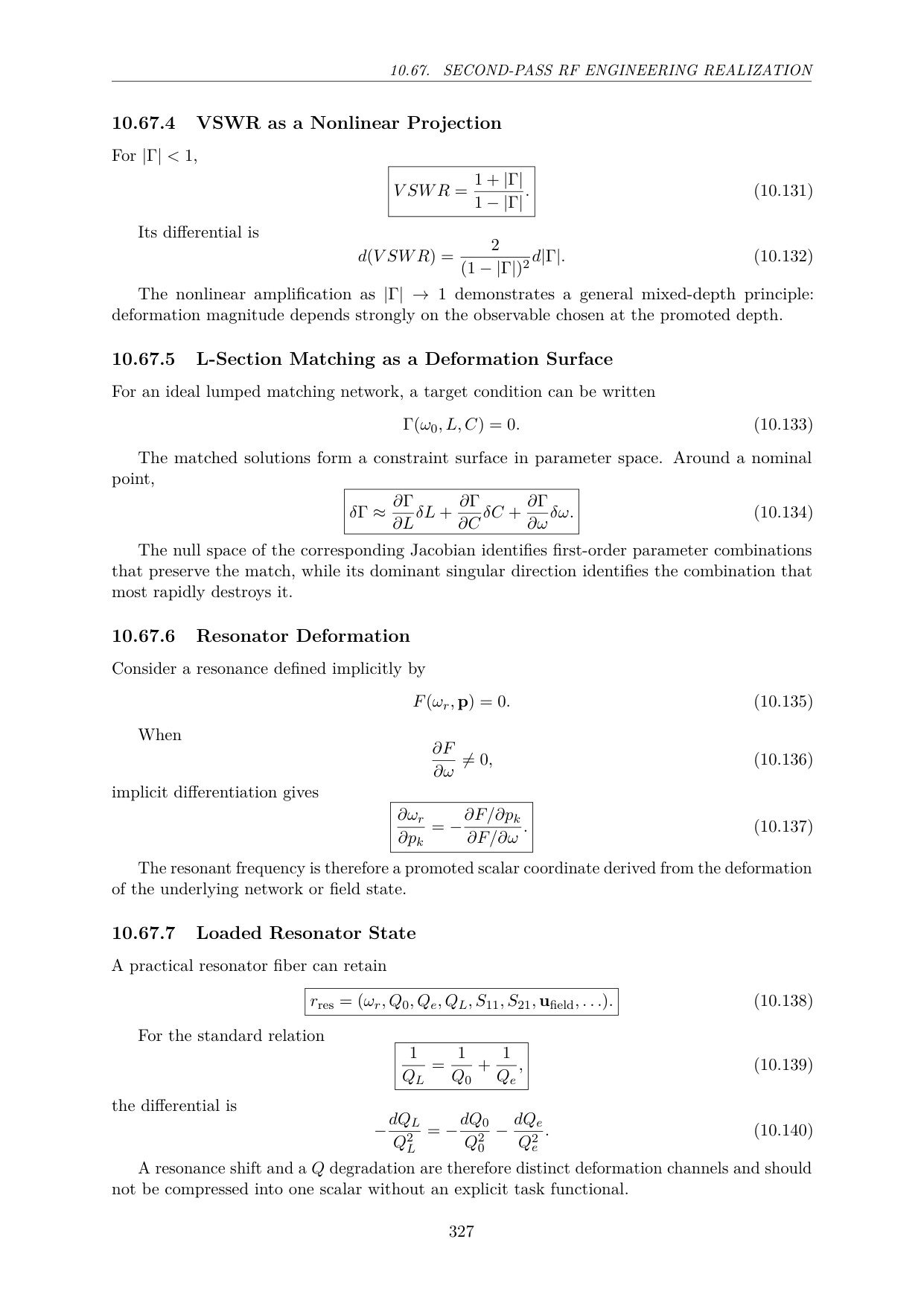
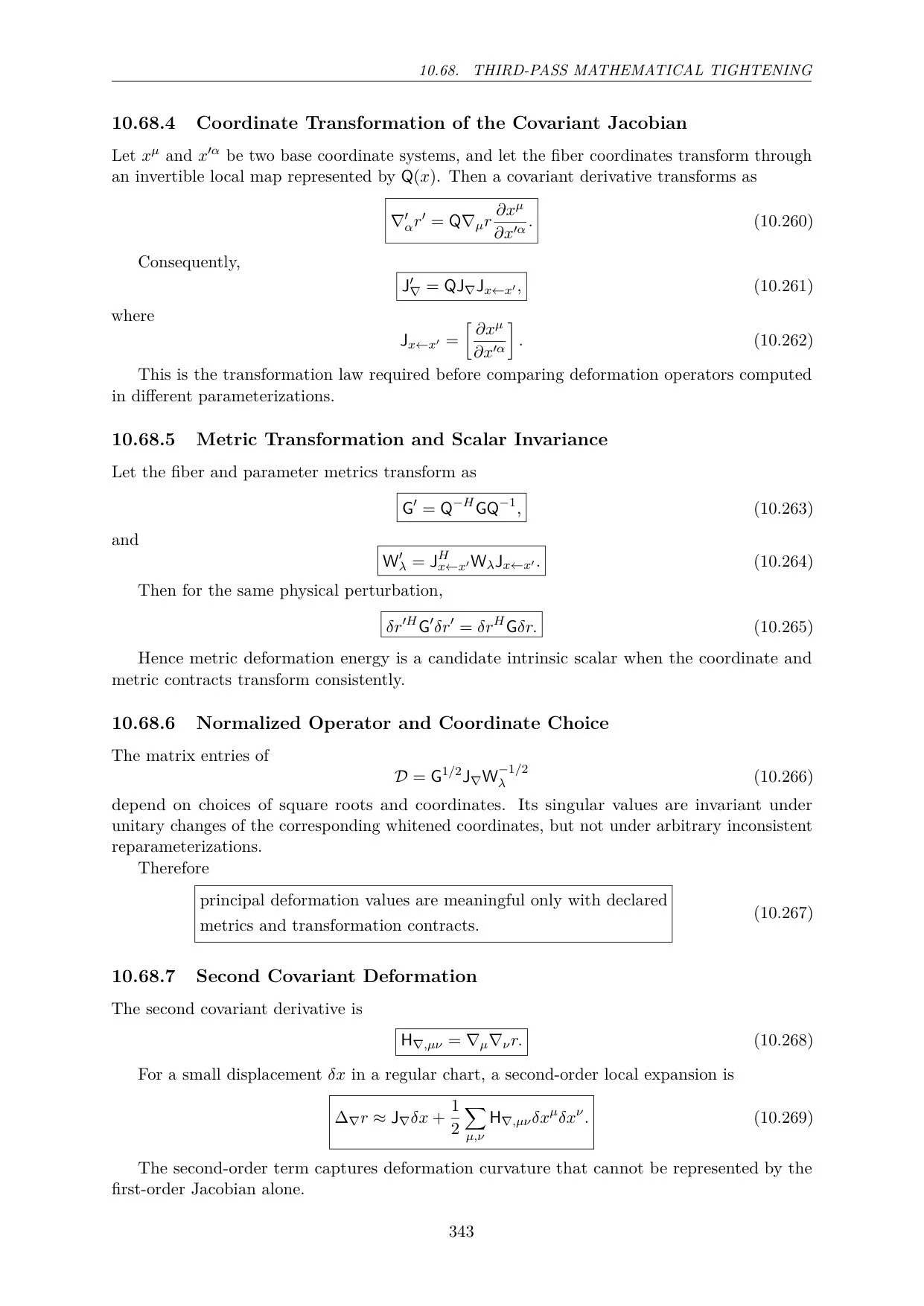
COGNITAVE RF ENGINEERING — CRE-RF
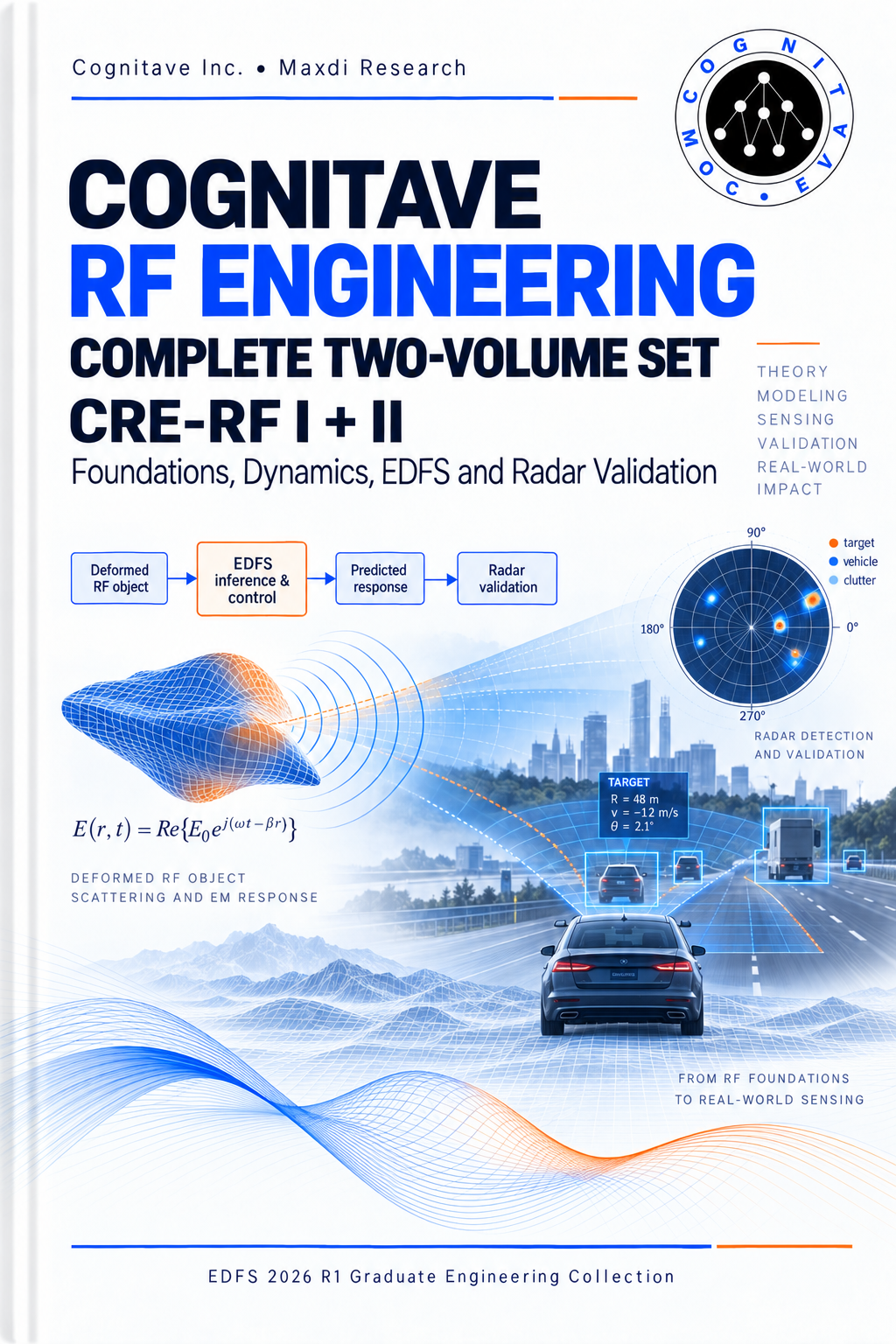
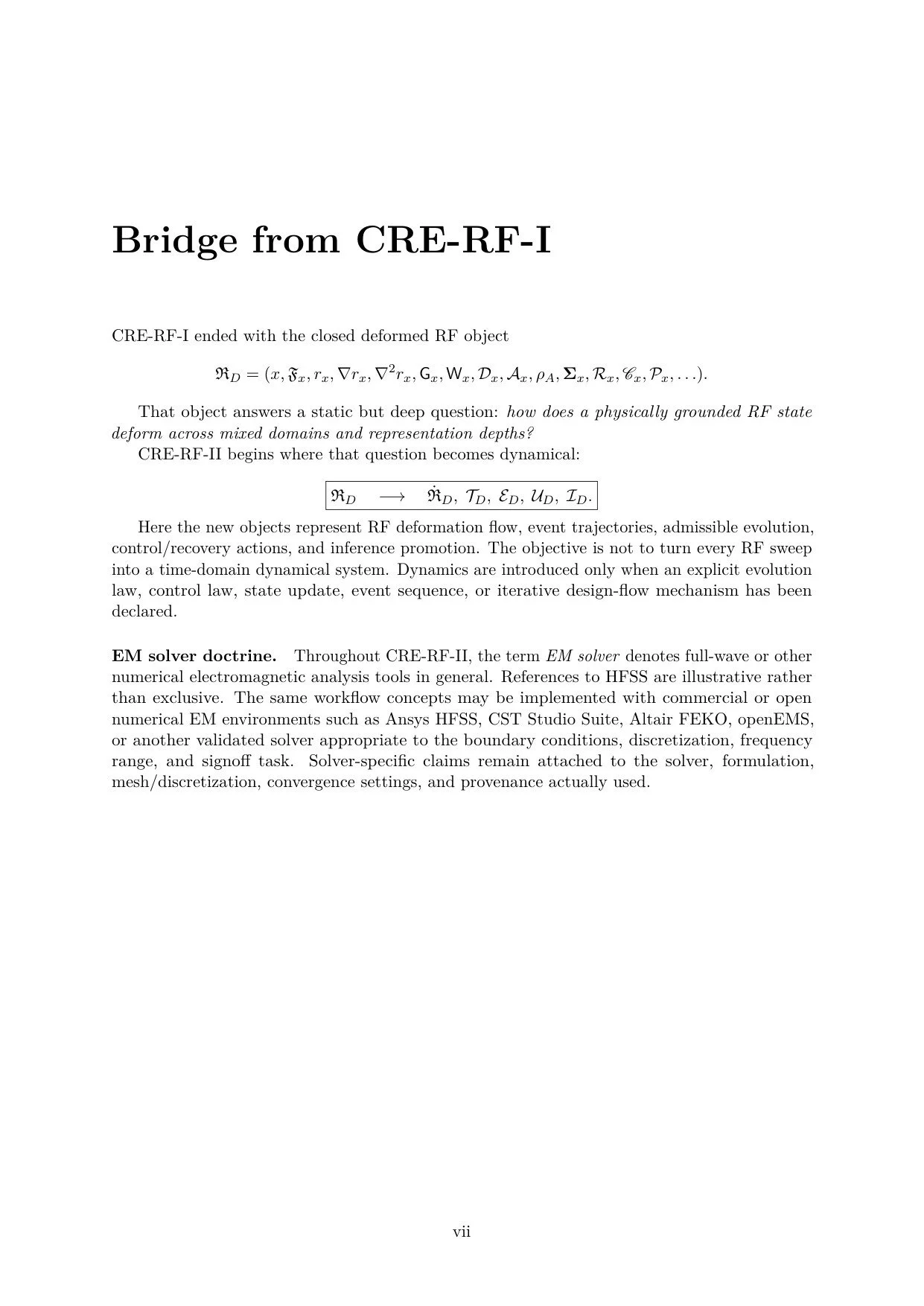
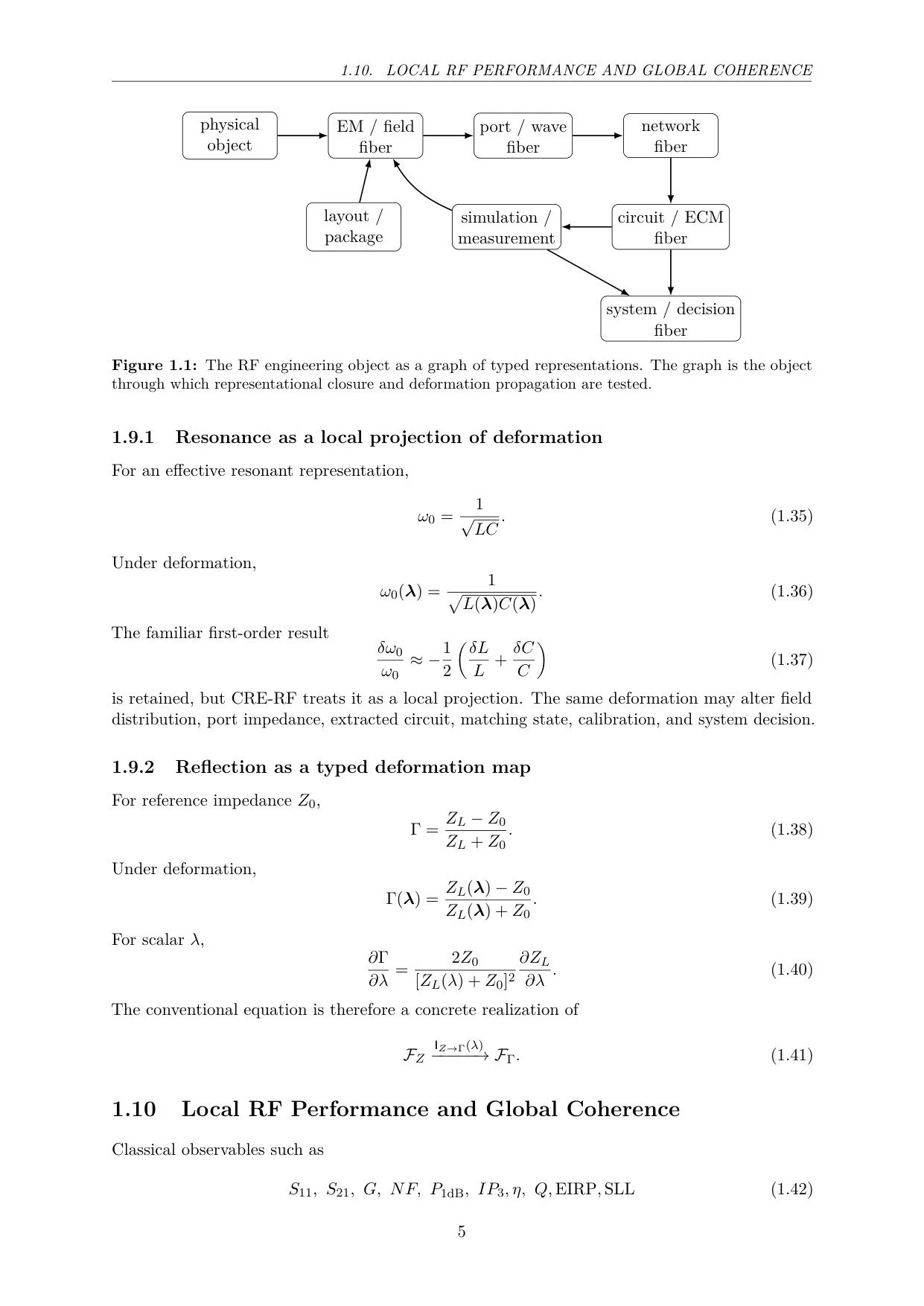
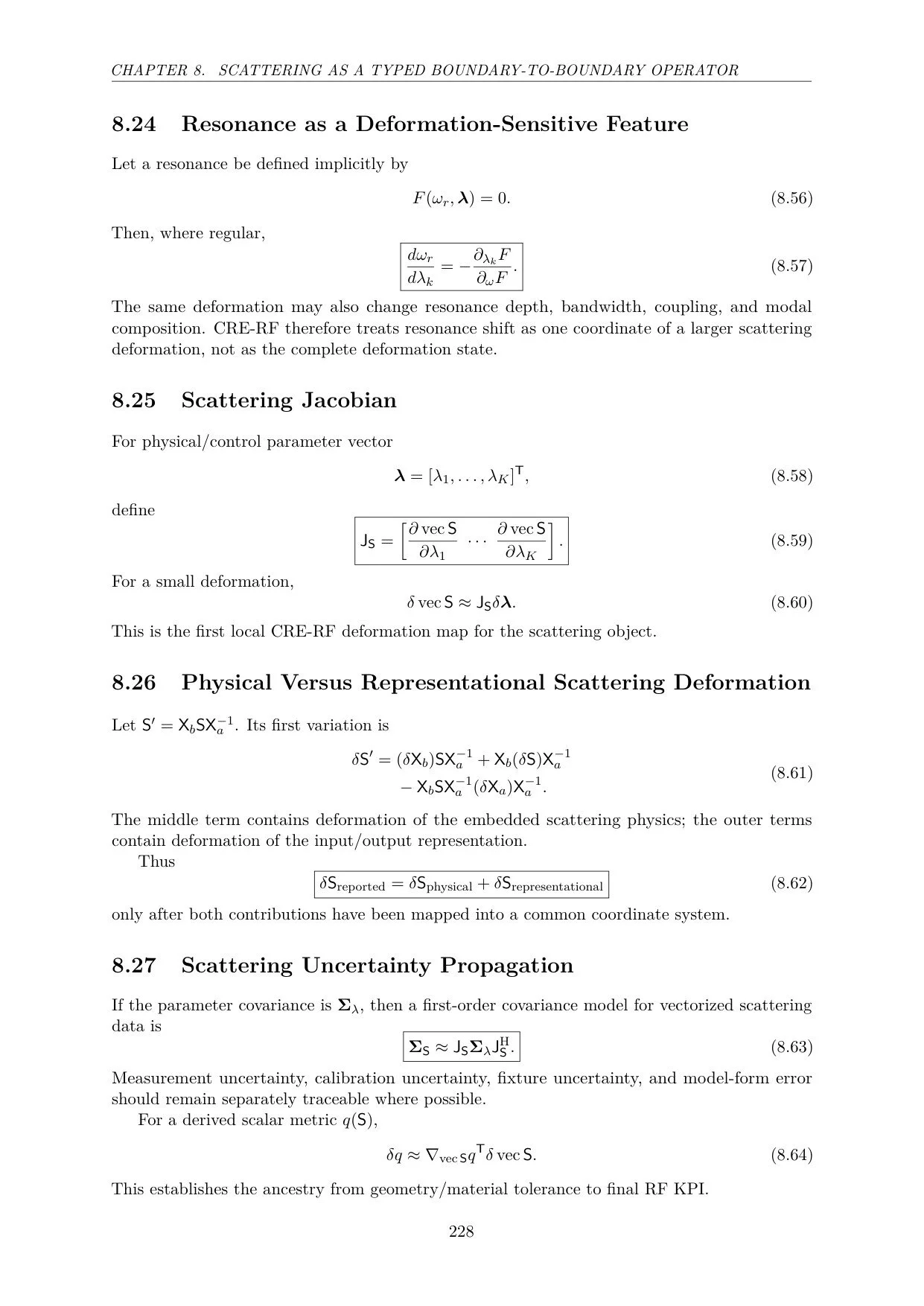
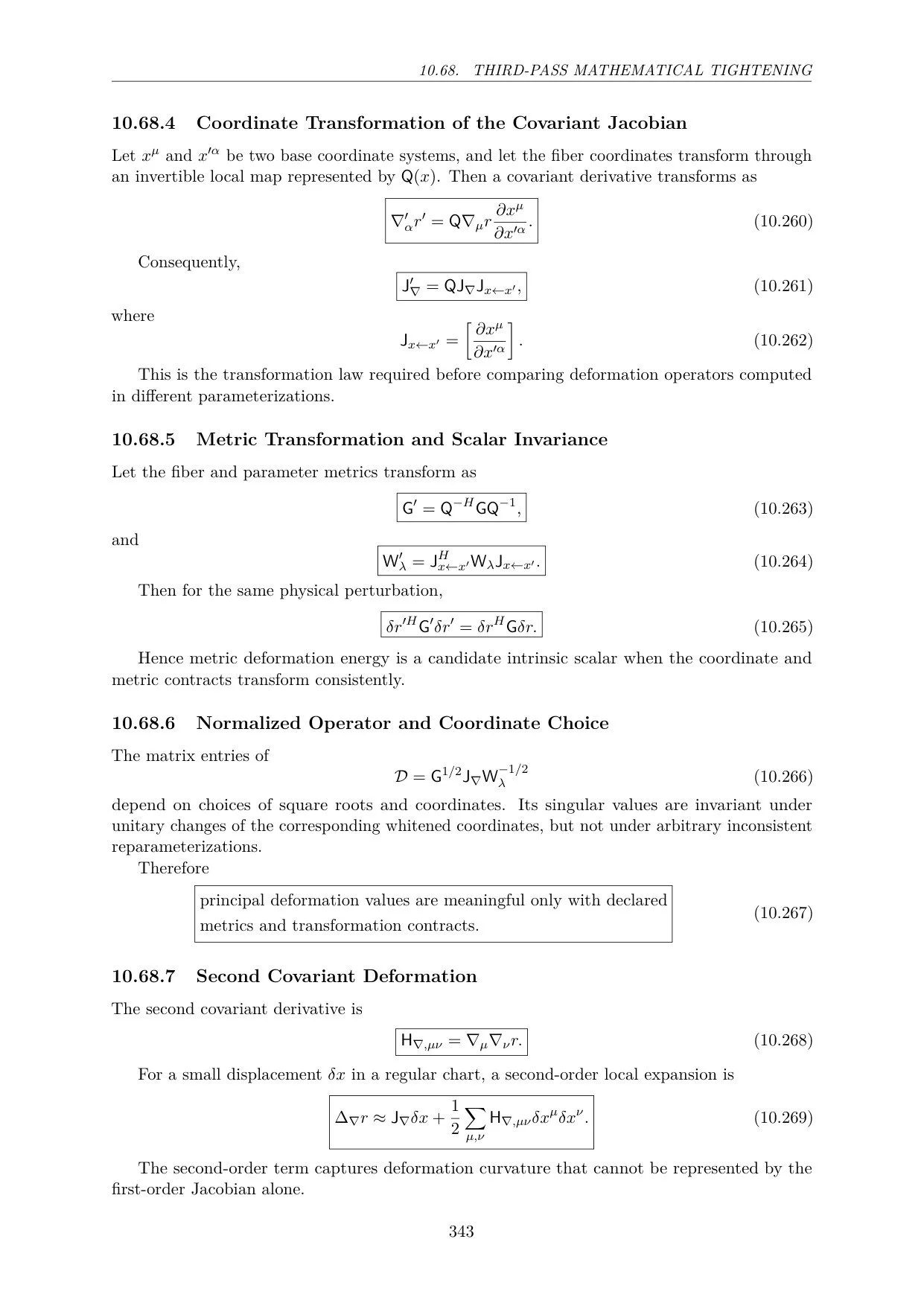
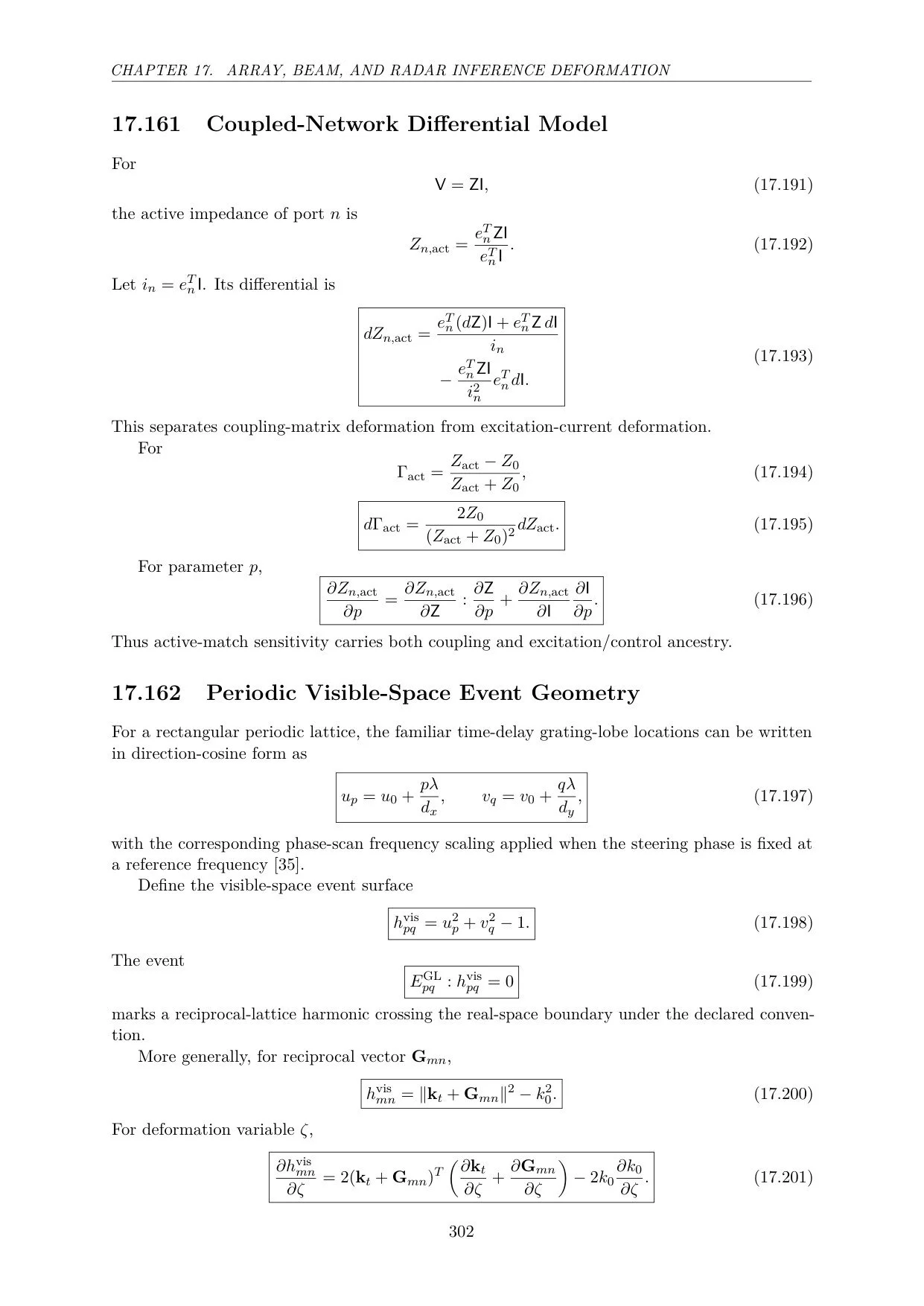
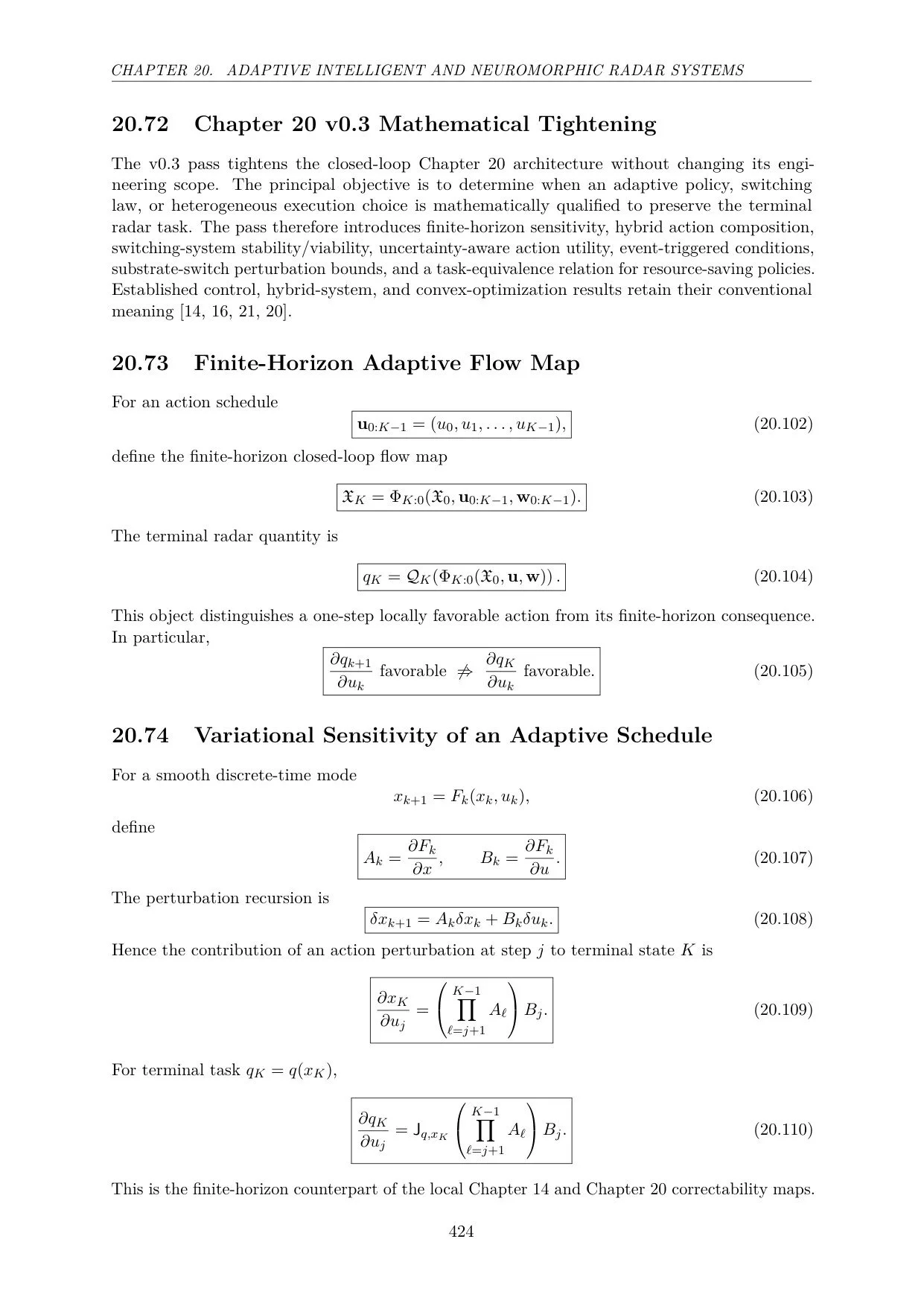
RF and microwave engineering from foundational field, network, and device principles through deformation dynamics, robustness, adaptive control, inference, and computational design workflows.
CRE-RF I · CRE-RF II · Workshops · Webinars
EXPLORE CRE-RF →
QUANTUM ENGINEERING — MAQM
Applied quantum mechanics for electronics and quantum engineering, progressing from operator algebra and Schrödinger dynamics to tunneling, confinement, semiconductor structures, and quantum technologies.
MAQM Course · Full Text · Essential Lectures · Engineering Resources
EXPLORE MAQM →
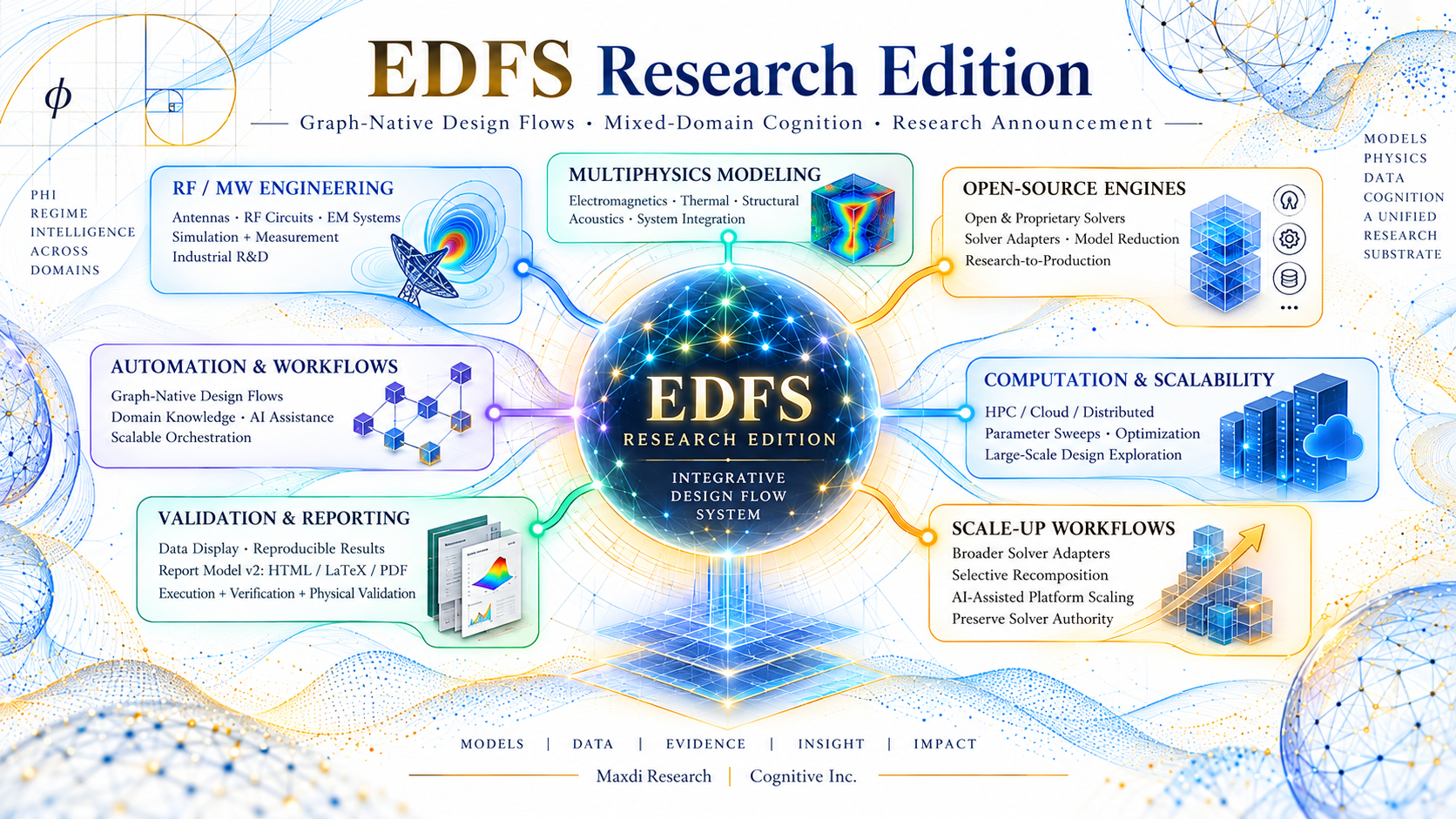
EDFS — ENGINEERING DESIGN FLOW STUDIO
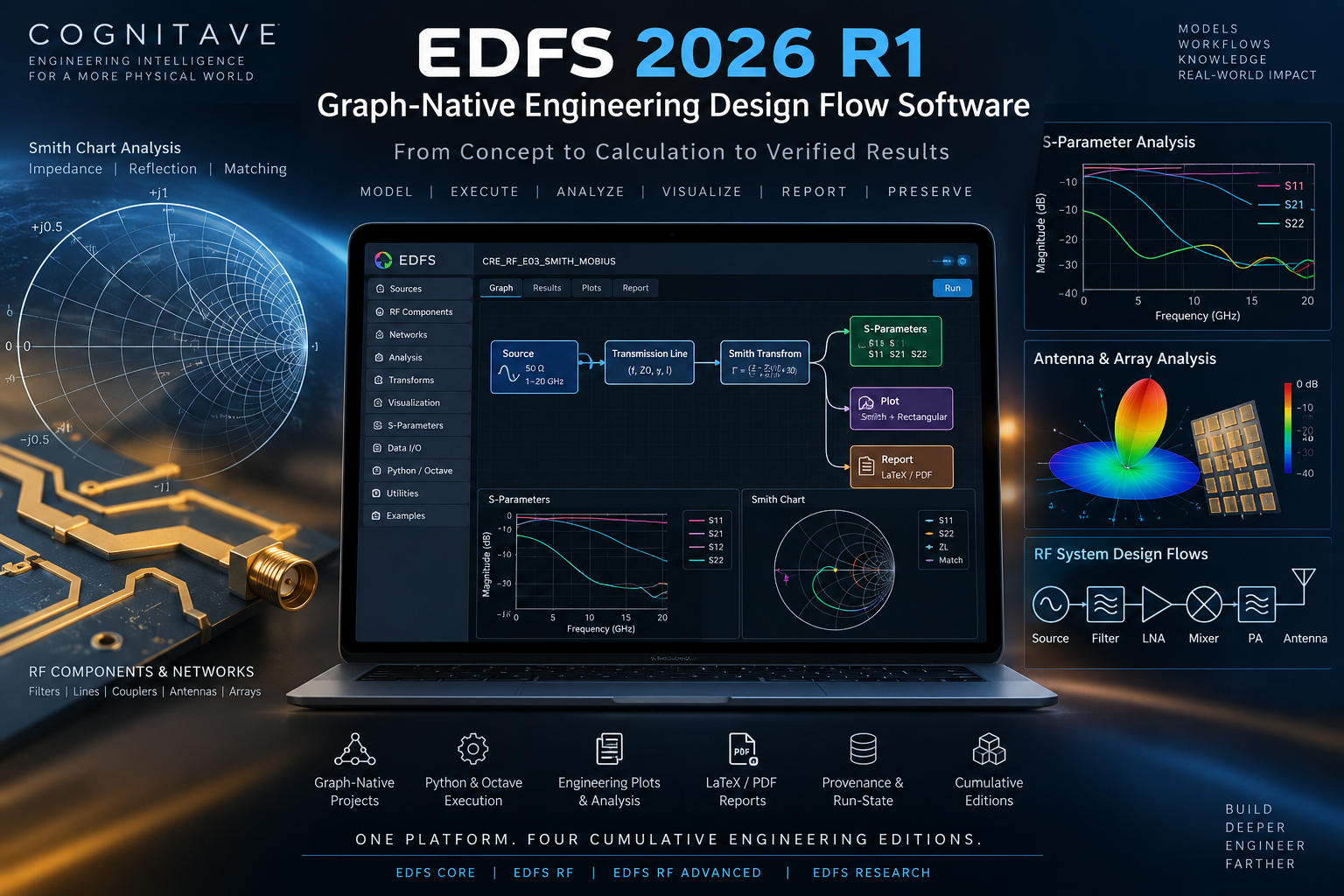
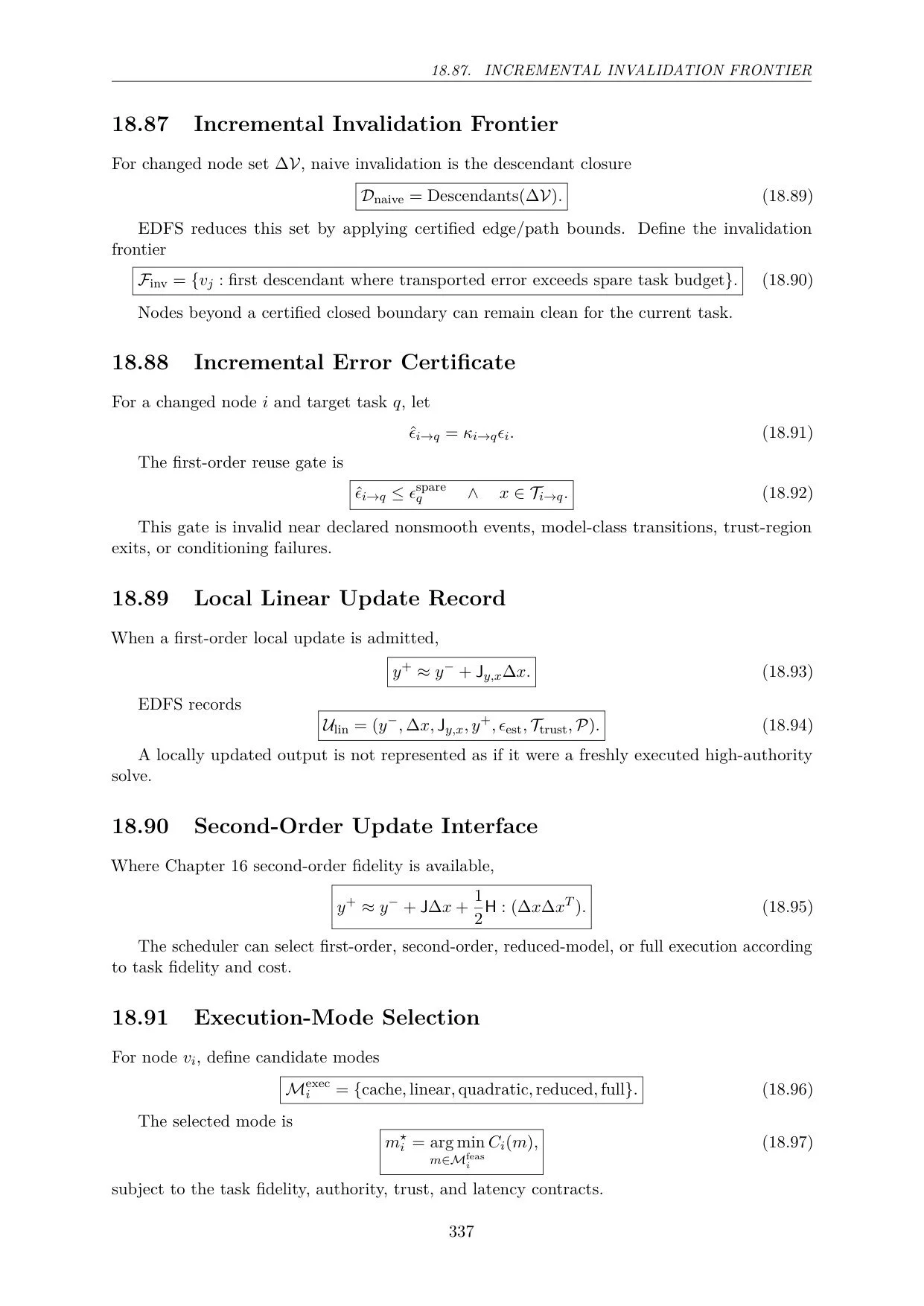
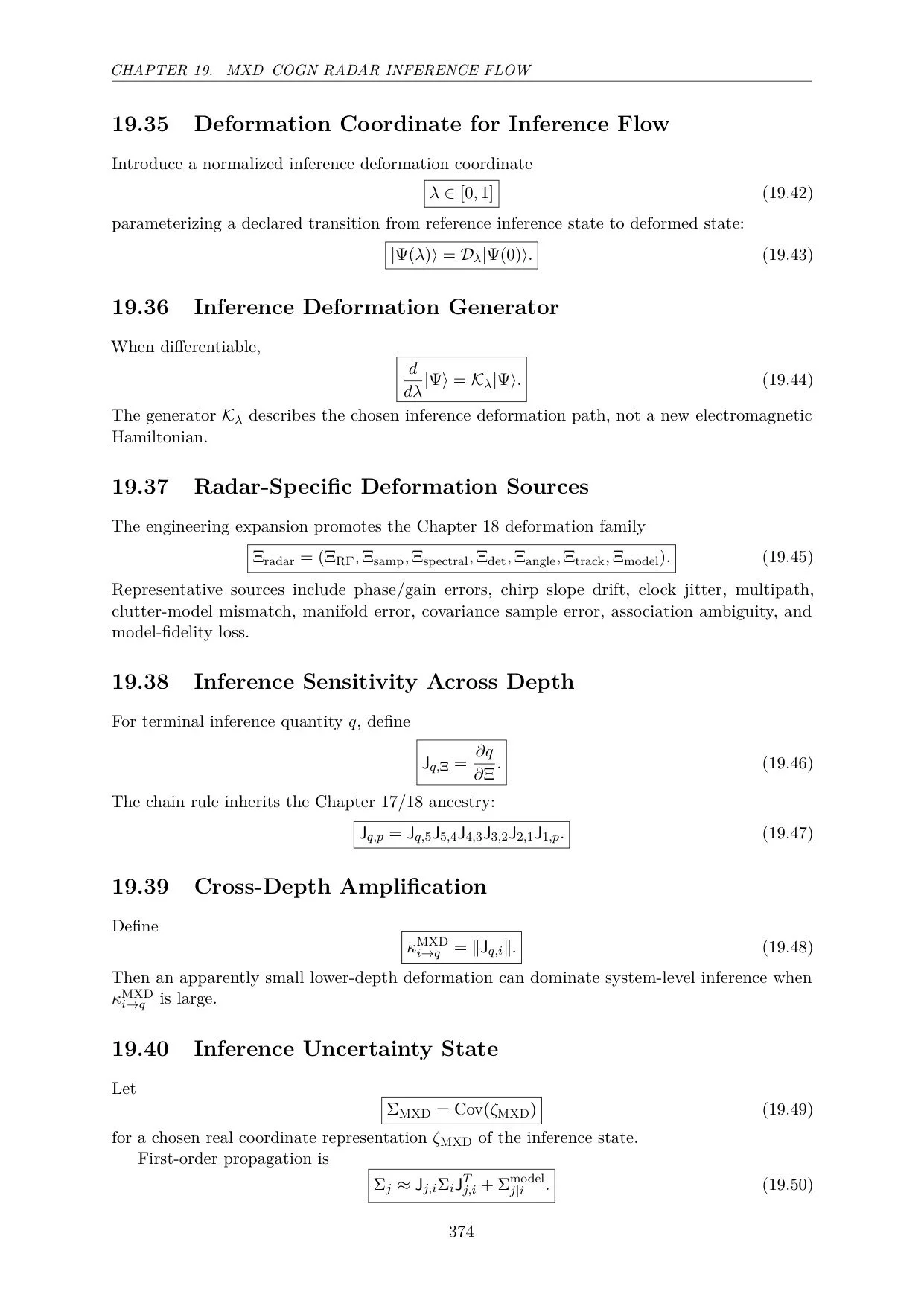
A graph-native computational engineering environment connecting mathematical models, numerical computation, circuit and EM data, mixed-domain inference, and system-level observables within executable design flows.
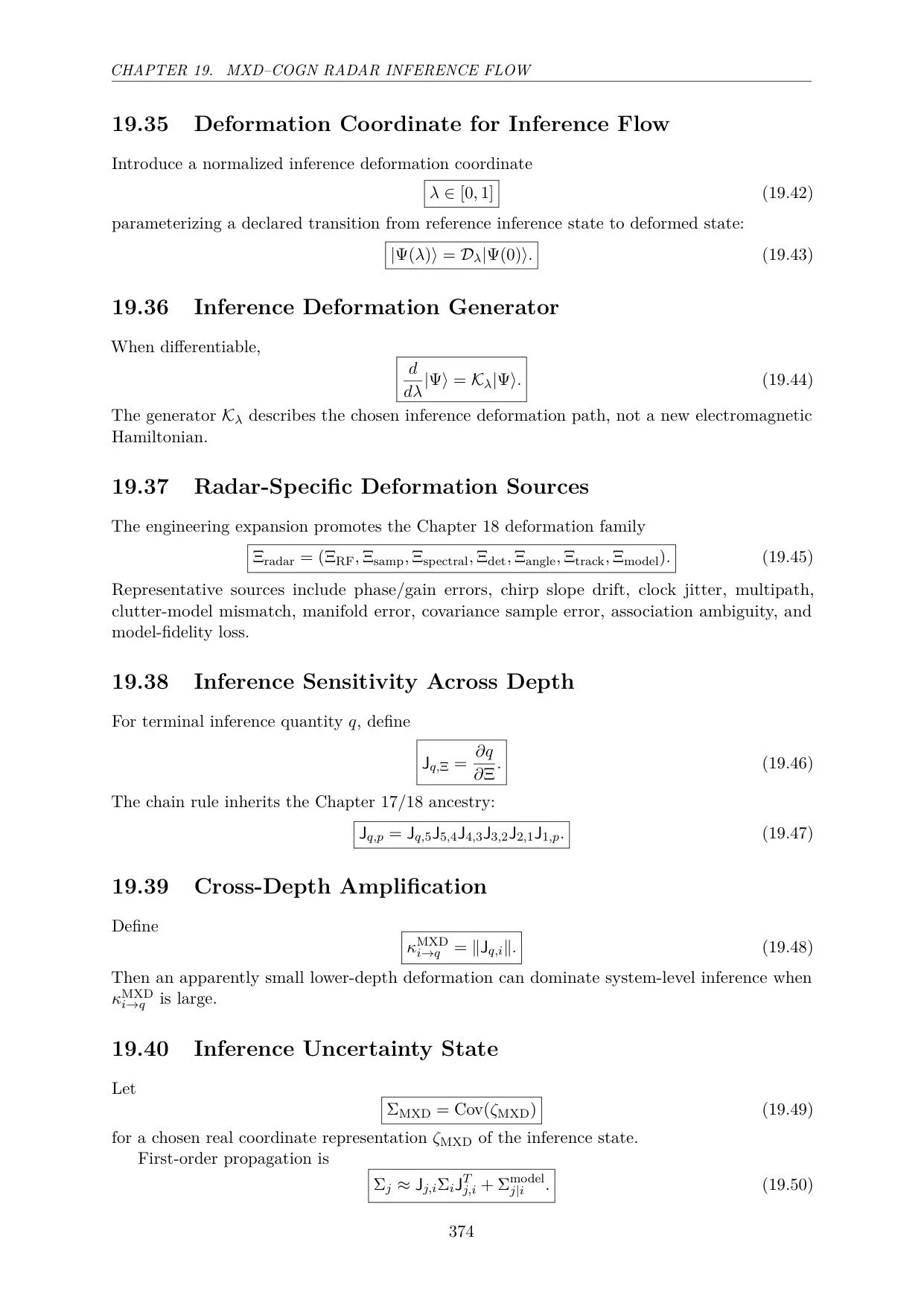
EDA Software · Demonstrations · Documentation · Workshops
EXPLORE EDFS →
FEATURED PROFESSIONAL SERVICES · RF / MICROWAVE / mmWAVE
RF/MW Engineering & Technical Consulting
Engineering services led by Dr. Mahdi Haghzadeh
Specialized RF, microwave, mmWave, antenna and radar engineering spanning design, EM simulation, measurement, validation, and computational design-flow development.
Areas of Activity
RF & Microwave Design · front ends · filters · matching · amplifiers · passive networks
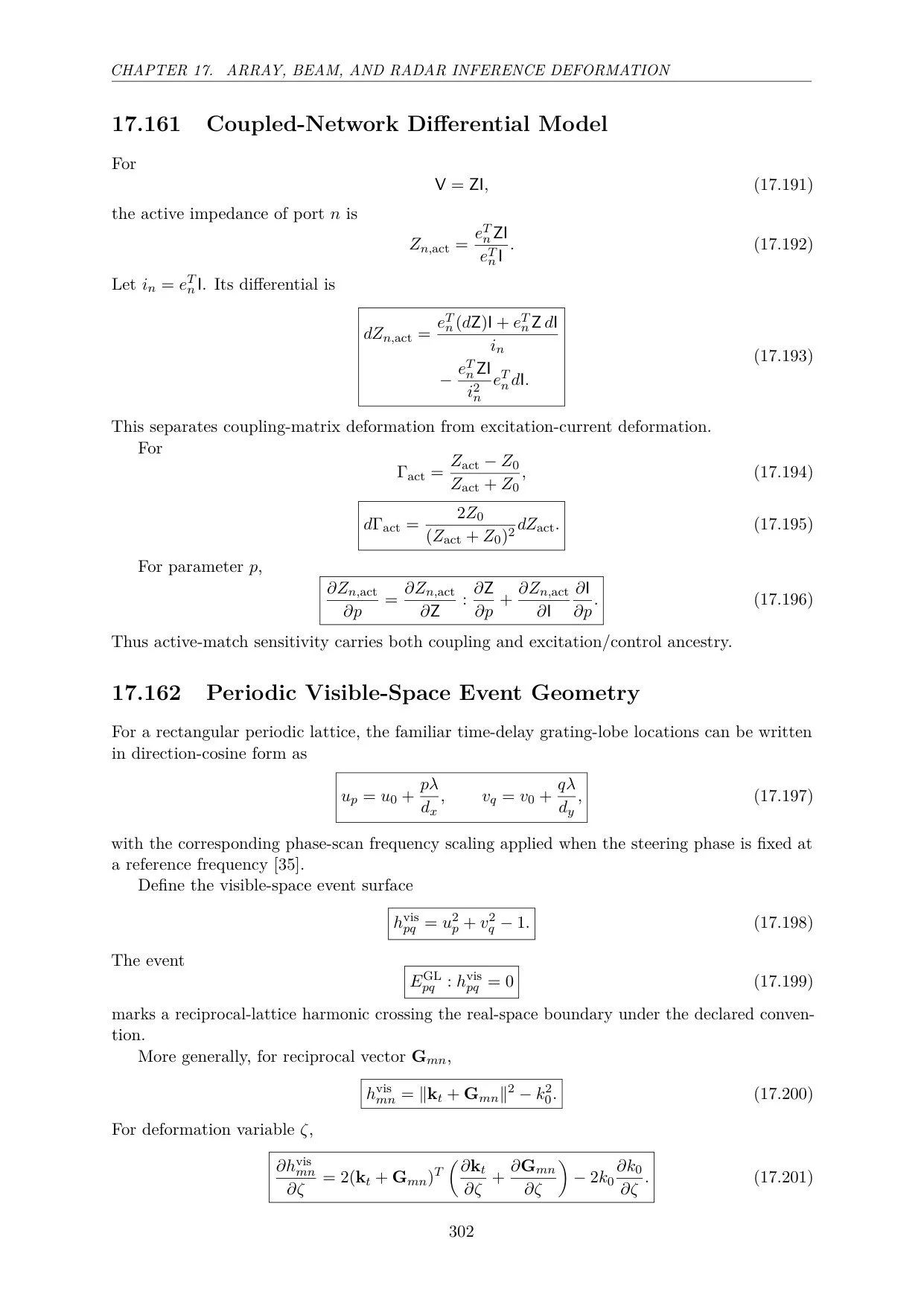
Antennas & Arrays · elements · phased/reflectarrays · beamforming · unit cells · coupling
Radar & Sensing · automotive radar · FMCW · 76–81 GHz ADAS · radar signal processing
mmWave Materials & Radomes · dielectric characterization · Dk/Df · fascia/radome validation
Measurement & Validation · S-parameters · VNA · time-domain gating · simulation correlation
EM & EDA Workflows · full-wave modeling · circuit/EM co-design · ECM · computational workflows
Advanced RF Systems · 5G/mmWave · MIMO · satellite/LEO · emerging RF architectures
Featured Service: Automotive Radar Radome Measurement & Validation — 76–81 GHz
VIEW SERVICE · RF/MW ENGINEERING · REQUEST TECHNICAL CONSULTATION
ENGINEERING - COMPUTATION - APPLIED RESEARCH
ENGINEERING - COMPUTATION - APPLIED RESEARCH






Graph-Native RF/Microwave Engineering Software with DFS-RF
Professional Single-User License
Price: $1,495
RF/Microwave Engineering as an Executable Design Flow
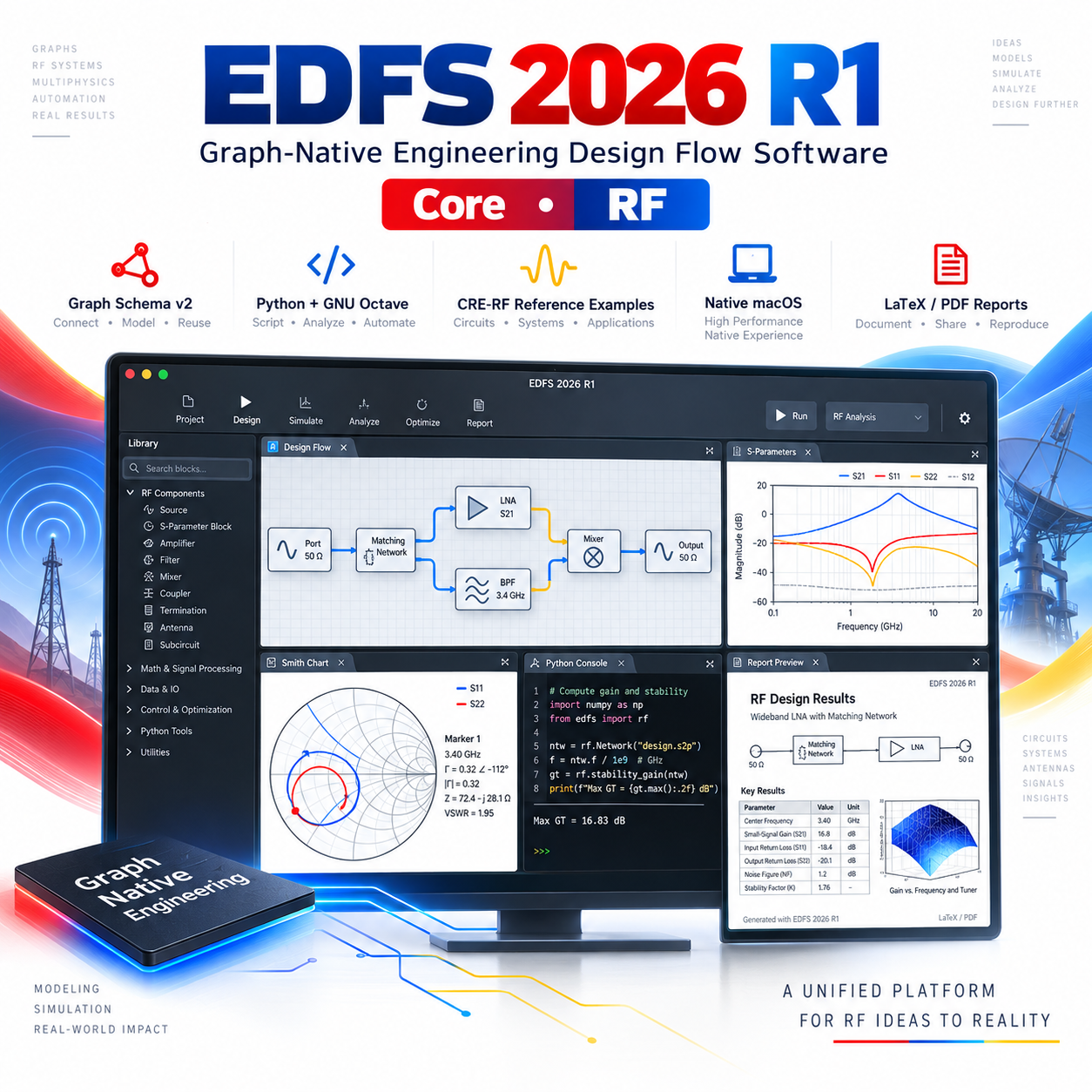
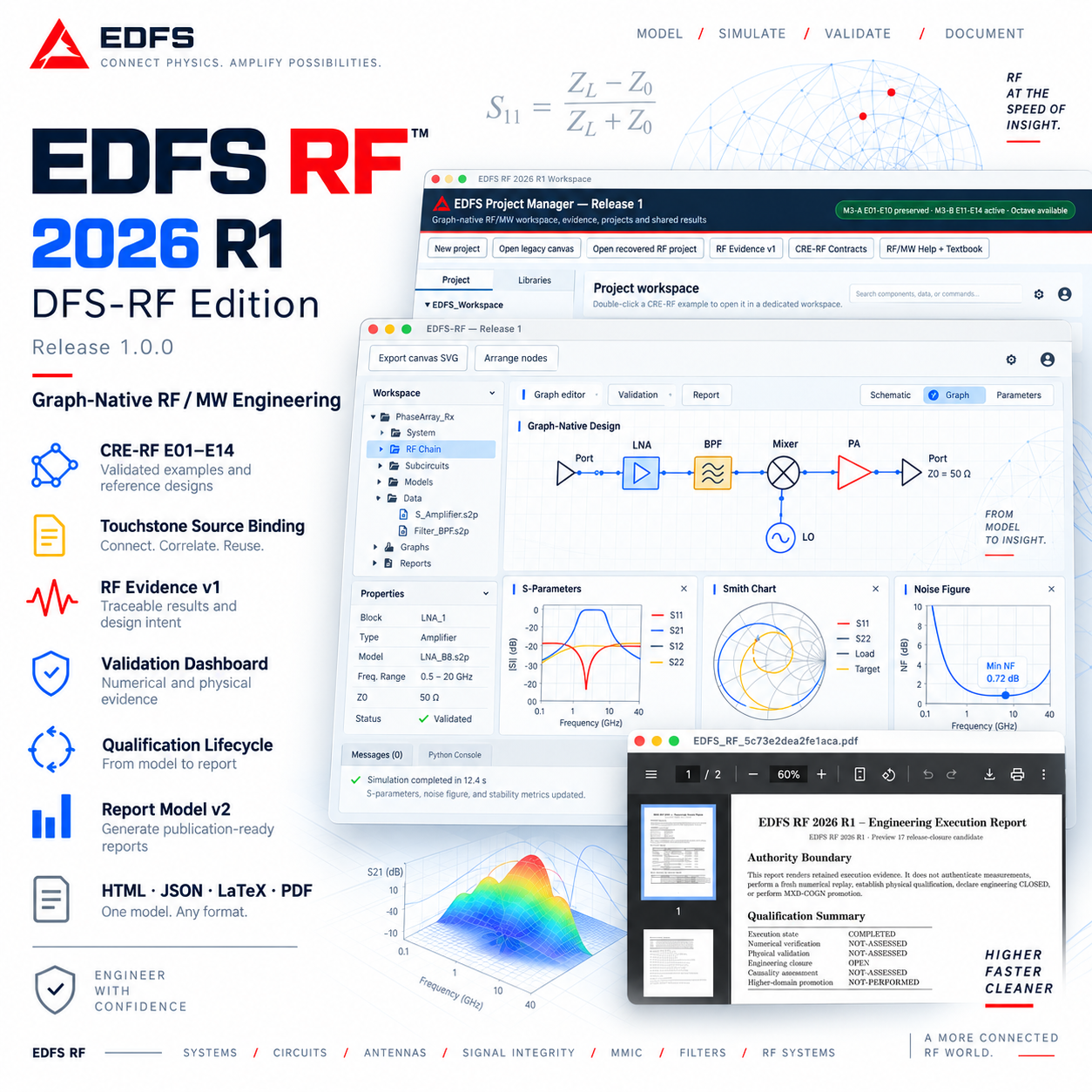
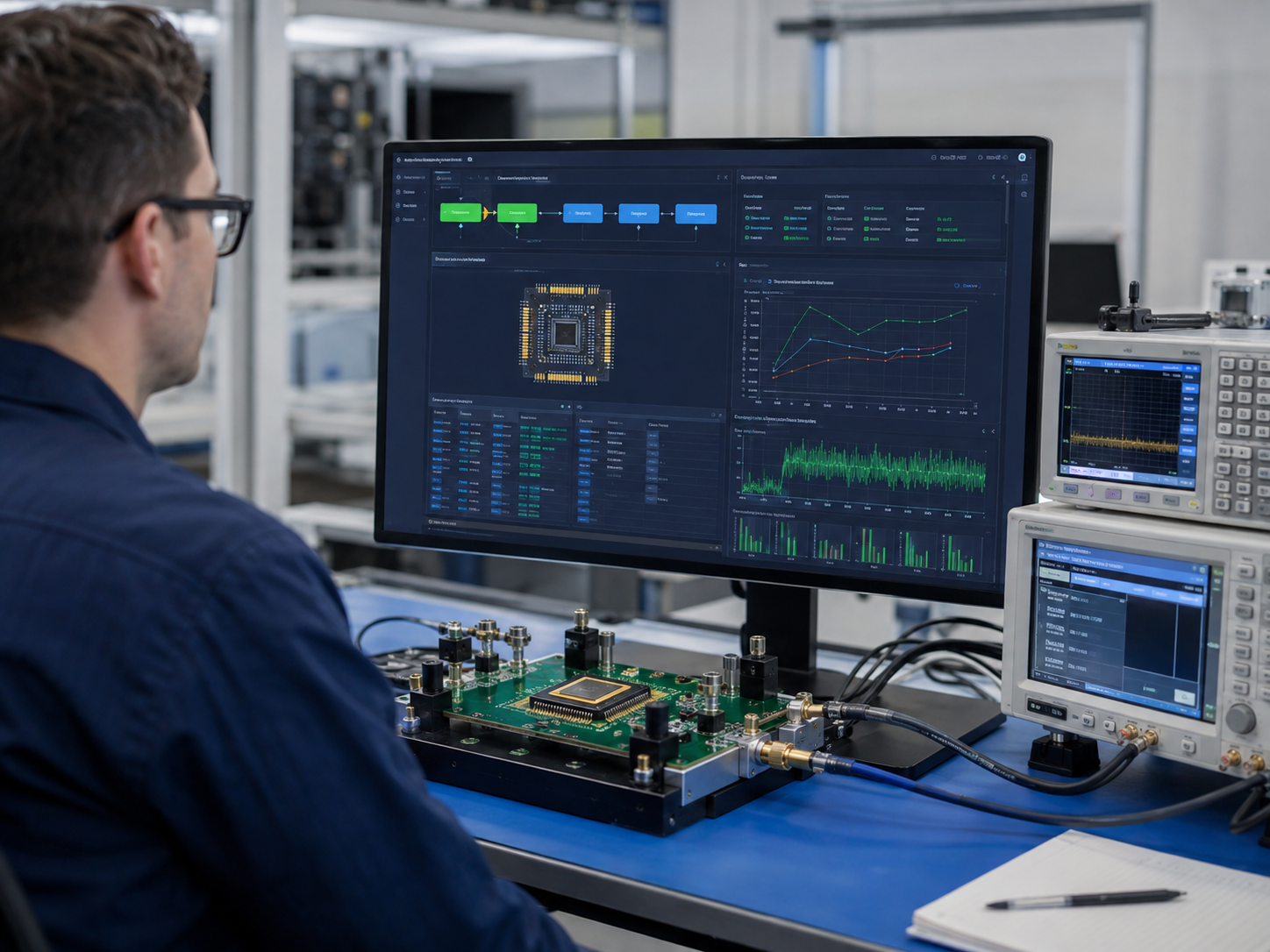
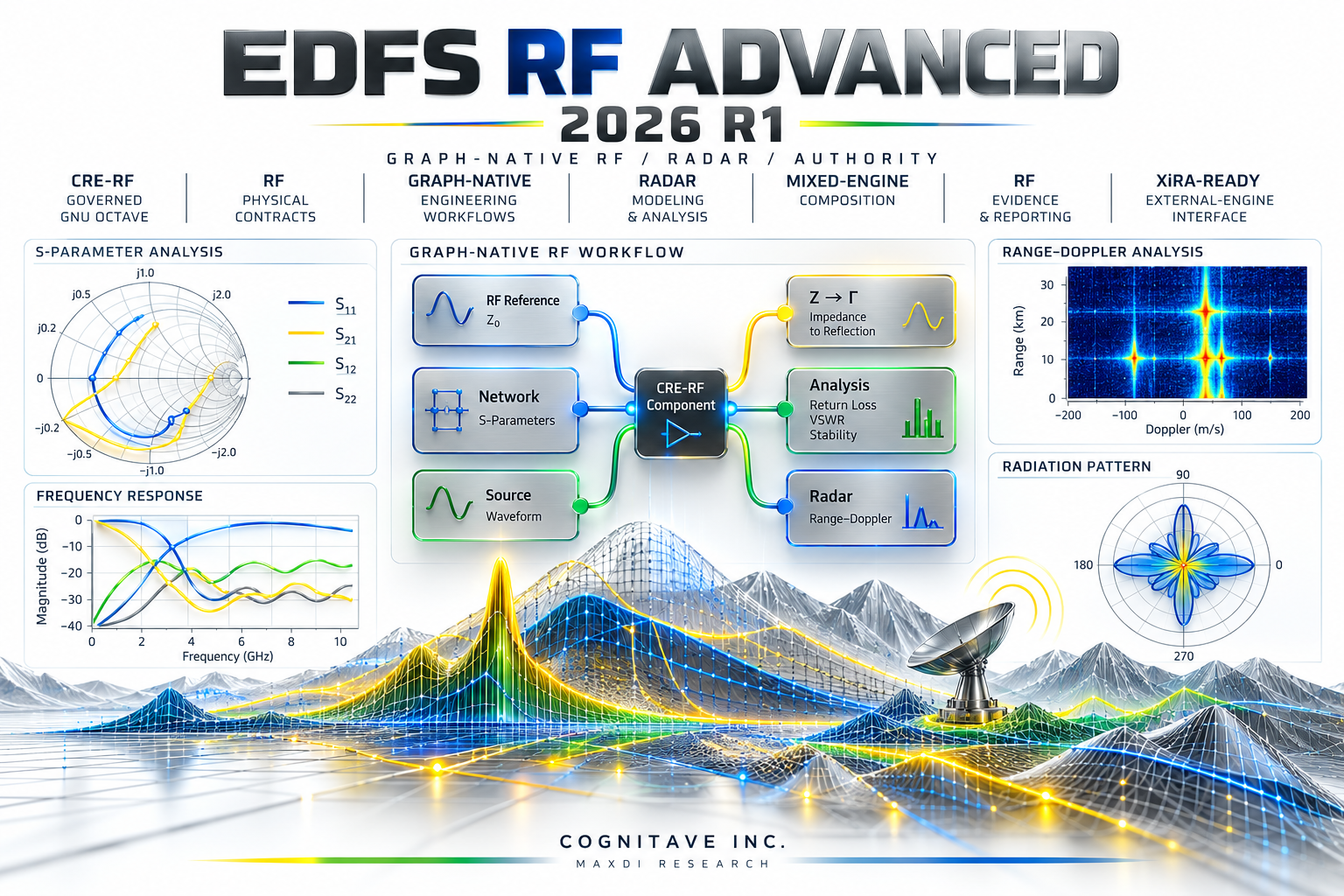
EDFS RF 2026 R1 is the professional RF/microwave edition of Electronics Design Flow Studio, extending the EDFS graph-native project environment with the DFS-RF engineering layer.
DFS-RF brings RF objects, ports, fibers, numerical kernels, network transformations, validation state, engineering evidence, provenance, results, persistence, replay, and technical reporting into one executable project structure.
The objective is to move beyond isolated RF calculations and disconnected solver outputs toward a persistent engineering design flow in which the origin, transformation, validity, and downstream use of engineering data remain identifiable.
The released edition supports professional RF network analysis, CRE-RF computational workflows, Touchstone data, numerical execution through Python and GNU Octave, engineering validation, RF Evidence, and reproducible technical reporting.
What EDFS RF Adds
EDFS RF extends the EDFS environment with specialized DFS-RF capabilities for RF and microwave engineering.
The current release includes:
Graph Schema v2 RF workflows
CRE-RF E01-E14 reference examples
Touchstone S1P and S2P source binding
S, Z, Y, and ABCD network representations
S↔Z conversion
S↔Y conversion
S↔ABCD conversion
RF network cascade
renormalization
de-embedding
reference-plane translation
frequency alignment
RF network comparison
RF Evidence contracts
numerical assessment and validation
project persistence and replay
HTML, JSON, LaTeX, and PDF reporting
Python 3.12 backend support
GNU Octave numerical authority where declared by CRE-RF kernels
Graph-Native RF Engineering
At the center of EDFS RF is a graph-native representation of the RF engineering workflow.
Rather than treating a project only as a collection of unrelated files, RF models and calculations can participate in a connected project structure in which engineering identity and dependencies are retained.
DFS-RF combines:
RF Objects → Ports → Fibers → Numerical Kernels → Validation → RF Evidence → Results → Reports
Engineering information such as source identity, reference impedance, reference plane, topology, numerical backend, and provenance remains associated with the data as it moves through the workflow.
This provides a stronger basis for reproducing, validating, modifying, and reporting RF calculations as a project evolves.
CRE-RF E01-E14
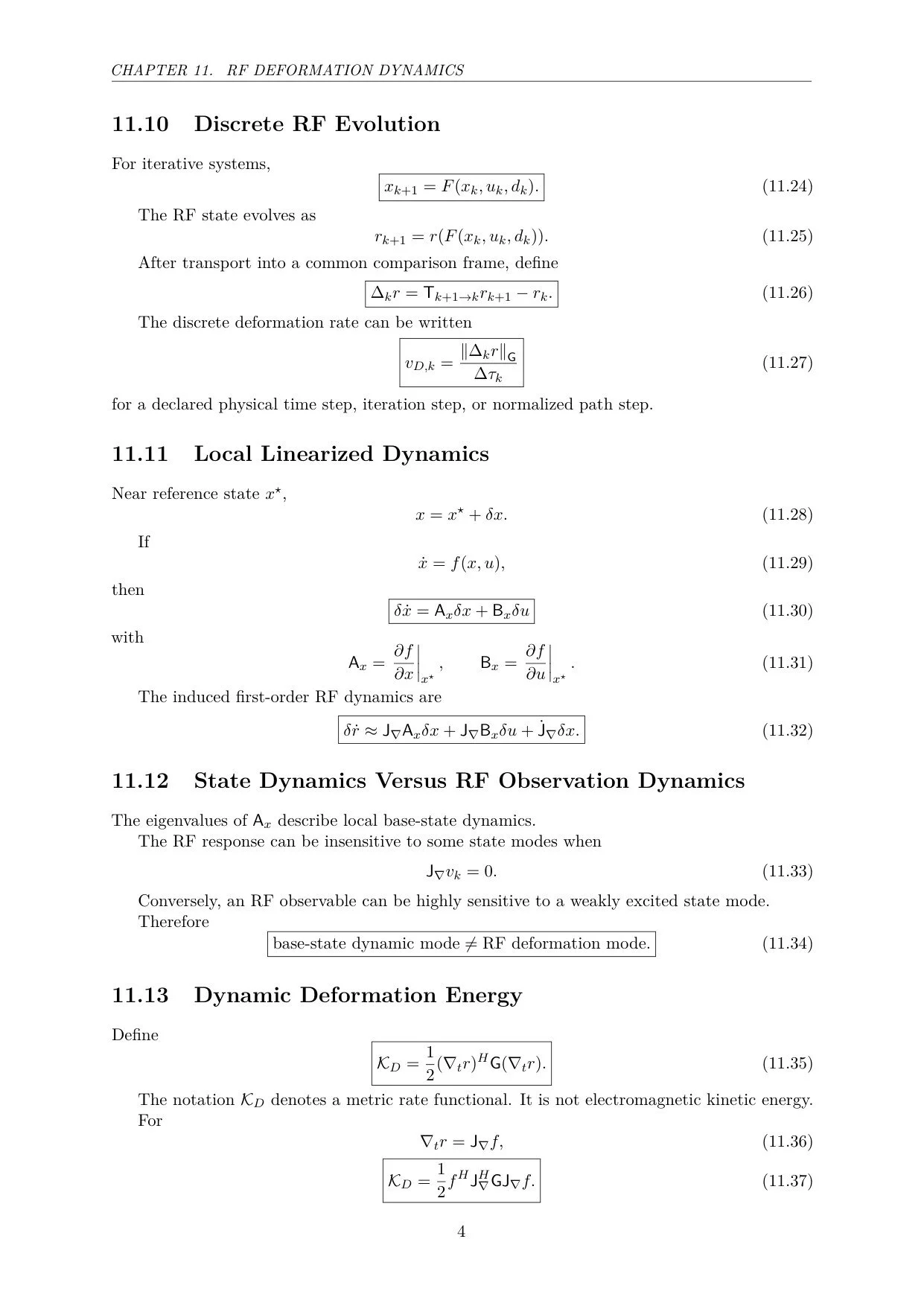
EDFS RF includes the CRE-RF E01-E14 verification series, progressing from fundamental RF representations into deformation, robustness, and recovery-oriented engineering workflows.
E01-E05 — RF Foundations
Reference examples include:
RF engineering objects
impedance-to-reflection conversion
Z→Γ transformation
Möbius mapping
transmission-line behavior
reference-plane transport
E06-E10 — RF Networks & Static Deformation
The next group develops:
power and matching
de-embedding
S/Z/Y/ABCD conversion
RF network closure
Jacobians
static RF deformation
E11-E14 — Dynamics, Robustness & Recovery
The advanced reference sequence introduces:
RF dynamics
event trajectories
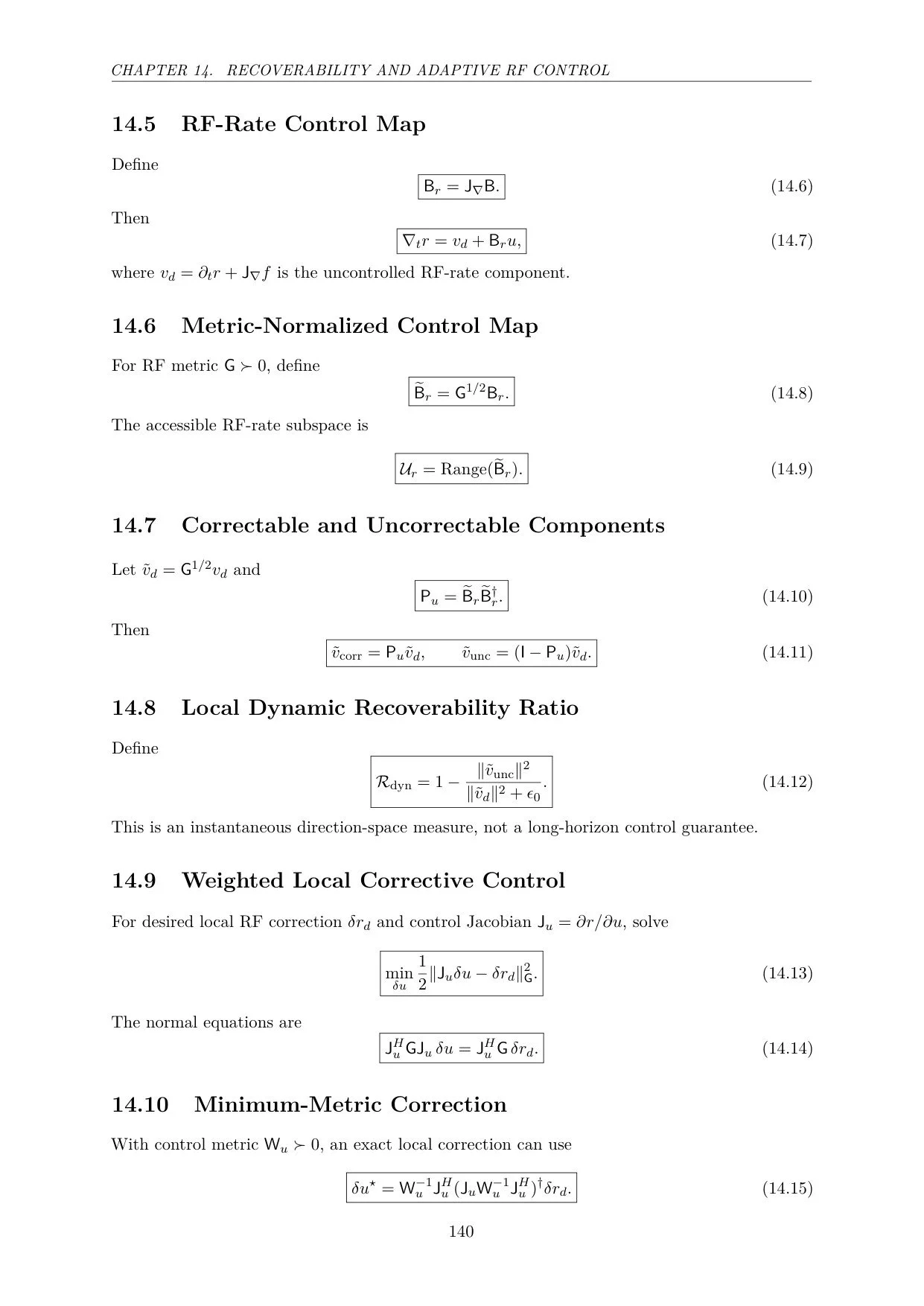
robustness
bounded recovery and control
Together, these examples provide both a validation lineage and an educational path through the principal DFS-RF computational concepts.
RF Network Engineering
DFS-RF provides reusable graph-native network operators for professional RF workflows.
Supported network operations include:
S ↔ Z
S ↔ Y
S ↔ ABCD
together with:
network cascade
impedance renormalization
de-embedding
reference-plane translation
frequency alignment
RF network comparison
The purpose is not simply to calculate a transformed network representation.
EDFS retains engineering context surrounding that transformation, including the source, reference conditions, topology, and project provenance.
This allows downstream calculations to remain connected to the engineering conditions under which their upstream data were produced.
Touchstone & RF Data
EDFS RF supports Touchstone S1P and S2P source binding within the graph-native RF workflow.
Imported network data can therefore participate in the same project structure as calculated quantities, RF operators, transformations, validation state, evidence, and reports.
This creates a foundation for combining imported RF data with computational design-flow operations without treating the source file as an isolated artifact.
Numerical Backends
EDFS RF supports both GNU Octave and Python 3.12, with different responsibilities depending on the engineering workflow.
GNU Octave
GNU Octave serves as the numerical authority where explicitly declared by CRE-RF computational kernels.
When a CRE-RF workflow declares Octave authority, EDFS does not silently substitute another mathematical implementation if that authoritative backend is unavailable.
Python 3.12
Python supports:
graph execution
workflow orchestration
quality assurance
project processing
approved numerical implementations
This separation allows EDFS to distinguish computational orchestration from the numerical authority assigned to a specific engineering method.
Validation & Engineering Evidence
EDFS RF explicitly distinguishes different levels of engineering status.
These include:
Execution
A numerical workflow completed.
Numerical Verification
The computed result satisfies the applicable numerical assessment.
Physical Validation
The result has supporting physical evidence appropriate to the engineering claim.
Engineering Closure
The engineering workflow has sufficient evidence and qualification for its declared purpose.
Causality Assessment
Where applicable, the physical and network behavior can be examined against appropriate causality considerations.
A successful numerical run is therefore not automatically presented as physical validation.
This distinction is central to the DFS-RF engineering methodology.
RF Evidence
RF Evidence provides a structured mechanism for retaining engineering qualification information with the project.
Evidence can remain associated with:
graph state
source data
numerical backend
numerical results
validation state
project identity
provenance
generated reports
The objective is to preserve not only a final number or plot, but also the engineering context required to interpret that result.
Project Persistence & Replay
EDFS RF projects preserve engineering state across sessions.
Validated project history is retained, but historical results are not silently represented as current after reopening or modification.
The release distinguishes states including:
REQUIRES_RERUN
after reopening when execution must be refreshed,
and:
STALE_PROJECT_CHANGED
when a relevant modification invalidates previously qualified results.
This prevents an older result from being silently treated as current engineering validation after the underlying project has changed.
Engineering Reporting
EDFS RF includes RF Report Model v2 for reproducible engineering documentation.
Supported output formats include:
HTML
JSON
LaTeX
PDF
Reports can preserve information associated with:
the project
engineering graph
input source
numerical backend
numerical results
validation state
provenance
Reporting is designed to use retained engineering results rather than silently recomputing the project during document generation.
This allows the generated technical report to remain connected to the executed engineering state from which it was produced.
Typical DFS-RF Workflow
A professional EDFS RF workflow follows the general sequence:
Create or Load Project
↓
Build or Load RF Graph
↓
Bind Models / Touchstone Sources
↓
Set RF Parameters & Reference Conditions
↓
Validate Graph
↓
Execute Numerical Backend
↓
Inspect Results
↓
Assess Validation & RF Evidence
↓
Generate Engineering Report
↓
Compile HTML / LaTeX / PDF
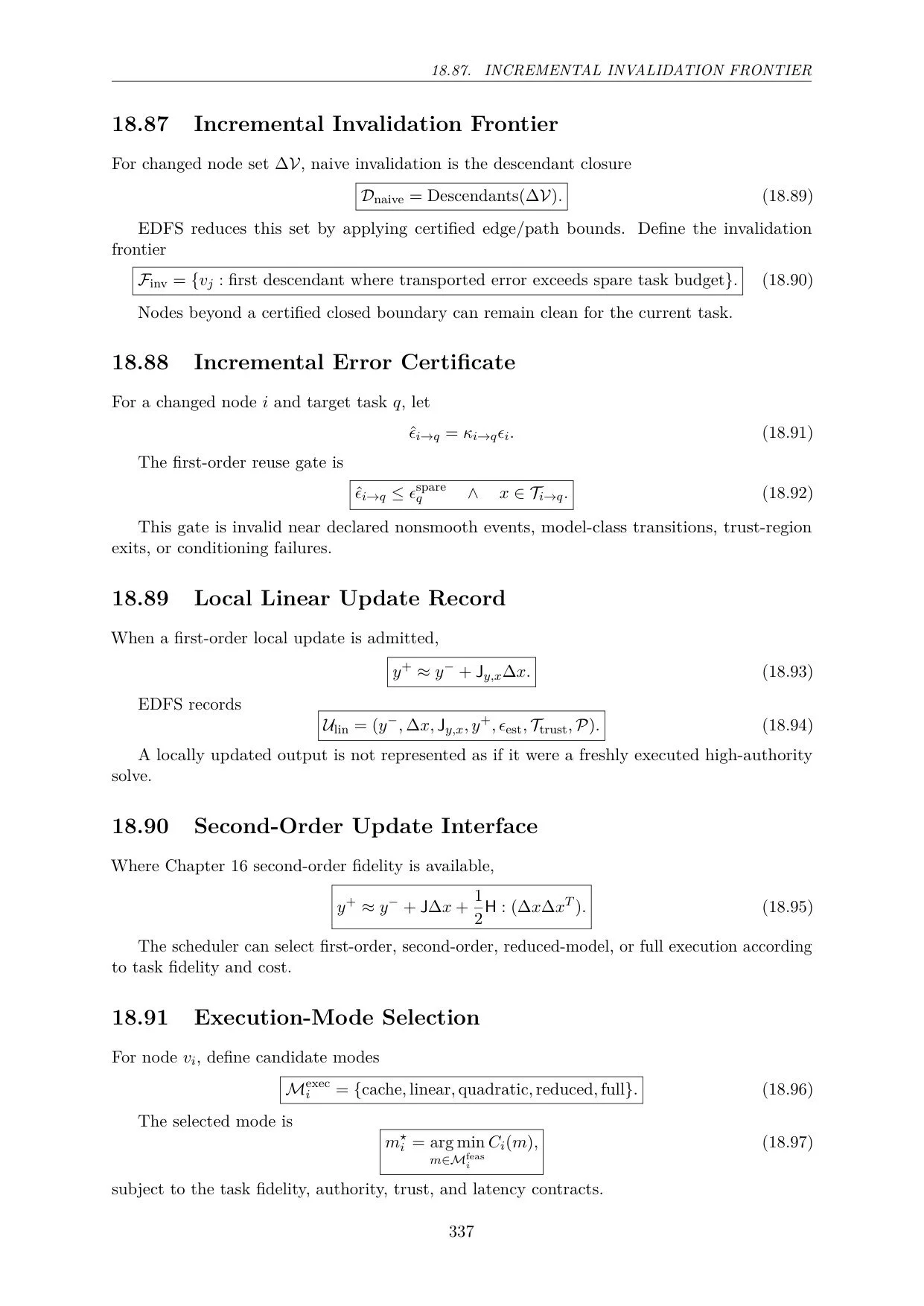
The same project can then be persisted, reopened, modified, rerun, and reported while retaining engineering provenance.
Release Validation
EDFS RF 2026 R1 — Release 1.0.0 completed the Intel release-validation program.
Engineering Regression
261 / 261 engineering regression tests — PASS
Packaging Policy
2 / 2 packaging-policy tests — PASS
Persistence Lifecycle
RC1 persistence lifecycle — PASS
Source Acceptance
RC1 source pre-freeze acceptance — PASS
Native Runtime
Native runtime verification — PASS
Native Binary
macOS x86_64 binary — VERIFIED
Distribution Image
DMG integrity — VERIFIED
These tests establish the accepted release baseline for the current EDFS RF 2026 R1 Intel distribution.
Native Desktop Environment
The current qualified distribution target is:
macOS Intel x86_64
GNU Octave is required for workflows declaring GNU Octave numerical authority.
Python 3.12 supports graph execution, orchestration, QA, and approved numerical implementations.
Platform Status
macOS Intel x86_64 — Current qualified release
Apple Silicon arm64 — Separate distribution after corresponding release acceptance
Users should verify platform compatibility before purchase and installation.
Included with EDFS RF 2026 R1
The Professional Single-User License includes:
EDFS RF software
DFS-RF engineering workspace
Graph Schema v2 RF workflows
CRE-RF E01-E14 examples
RF network operators
Touchstone S1P/S2P integration
RF Evidence
validation workflows
Python backend support
GNU Octave execution where required
project persistence
replay capability
HTML reporting
JSON engineering output
LaTeX reporting
PDF report generation
product documentation
downloadable macOS Intel x86_64 installer
Who EDFS RF Is For
RF & Microwave Engineers
Build reusable engineering workflows around RF networks, S-parameters, reference planes, transformations, matching, de-embedding, and engineering evidence.
RF Circuit & Network Designers
Connect network models and transformations inside a persistent graph rather than maintaining independent calculation files.
RF Research Engineers
Use CRE-RF computational examples, Python, GNU Octave, validation, provenance, and reporting within the same project environment.
Measurement & Characterization Workflows
Import Touchstone network data and retain its engineering identity and provenance through subsequent network processing.
Engineering Education & Advanced Training
Use the E01-E14 CRE-RF sequence as an executable progression from RF fundamentals through deformation, robustness, and recovery.
Computational Engineering Teams
Maintain numerical execution, validation state, evidence, results, and reports in a traceable engineering structure.
EDFS RF vs. RF Advanced
EDFS RF 2026 R1 is the professional RF/microwave engineering tier.
It provides the core DFS-RF workflow for RF objects, network engineering, Touchstone data, CRE-RF operators, numerical execution, validation, RF Evidence, persistence, replay, and technical reporting.
Organizations requiring the next level of advanced computational authority, radar workflows, physical-contract extensions, mixed-engine composition, or controlled XiRA integration should evaluate:
EDFS RF Advanced 2026 R1
RF Advanced builds on the RF edition rather than replacing it.
Product Information
Product: EDFS RF
Edition: DFS-RF
Release: 2026 R1
Release Version: 1.0.0
Product Type: RF/Microwave Engineering Software
Architecture: macOS Intel x86_64
Numerical Backends: GNU Octave and Python 3.12
License: Professional Single-User License
Price: $1,495
Purchase & Download
EDFS RF 2026 R1
DFS-RF Edition — Professional Single-User License
$1,495
Purchase includes the released EDFS RF software, DFS-RF workspace, CRE-RF E01-E14 examples, RF network operators, RF Evidence, reporting capabilities, documentation, and downloadable macOS installer.
Purchase & Download
https://www.cognitave.com/ee-store/p/graph-native-rfmicrowave-engineering-release-100-dfs-rf-edition-professional-single-user-license
Learn More
EDFS Editions
https://www.cognitave.com/edfs-editions
EDFS / Maxdi Research
https://www.maxdi.com/system
Cognitave Inc.
https://www.cognitave.com/
Technical Inquiries
tex@cognitave.com
Research & Collaboration
mxd@maxdi.com