 Image 1 of 5
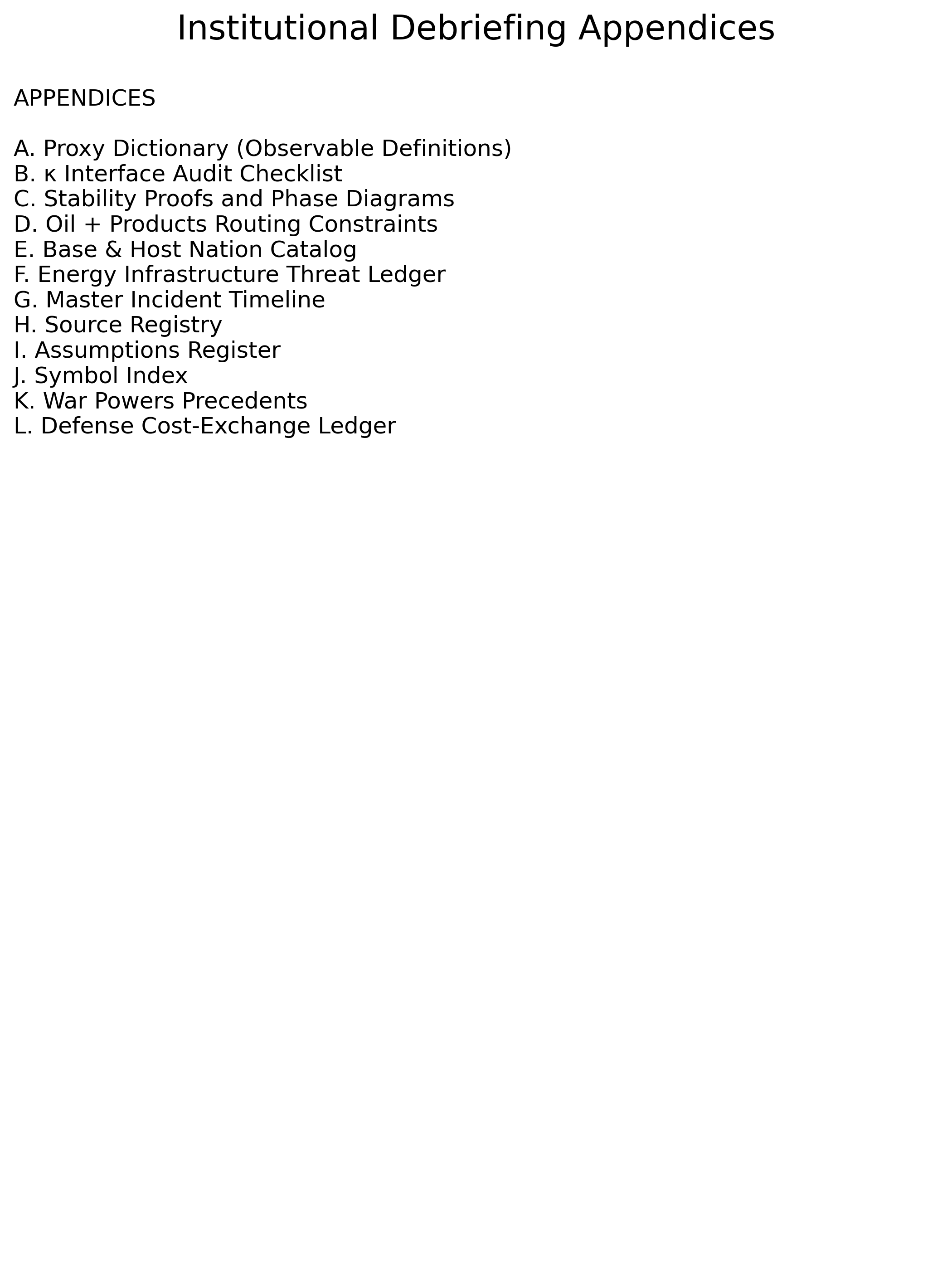 Image 2 of 5
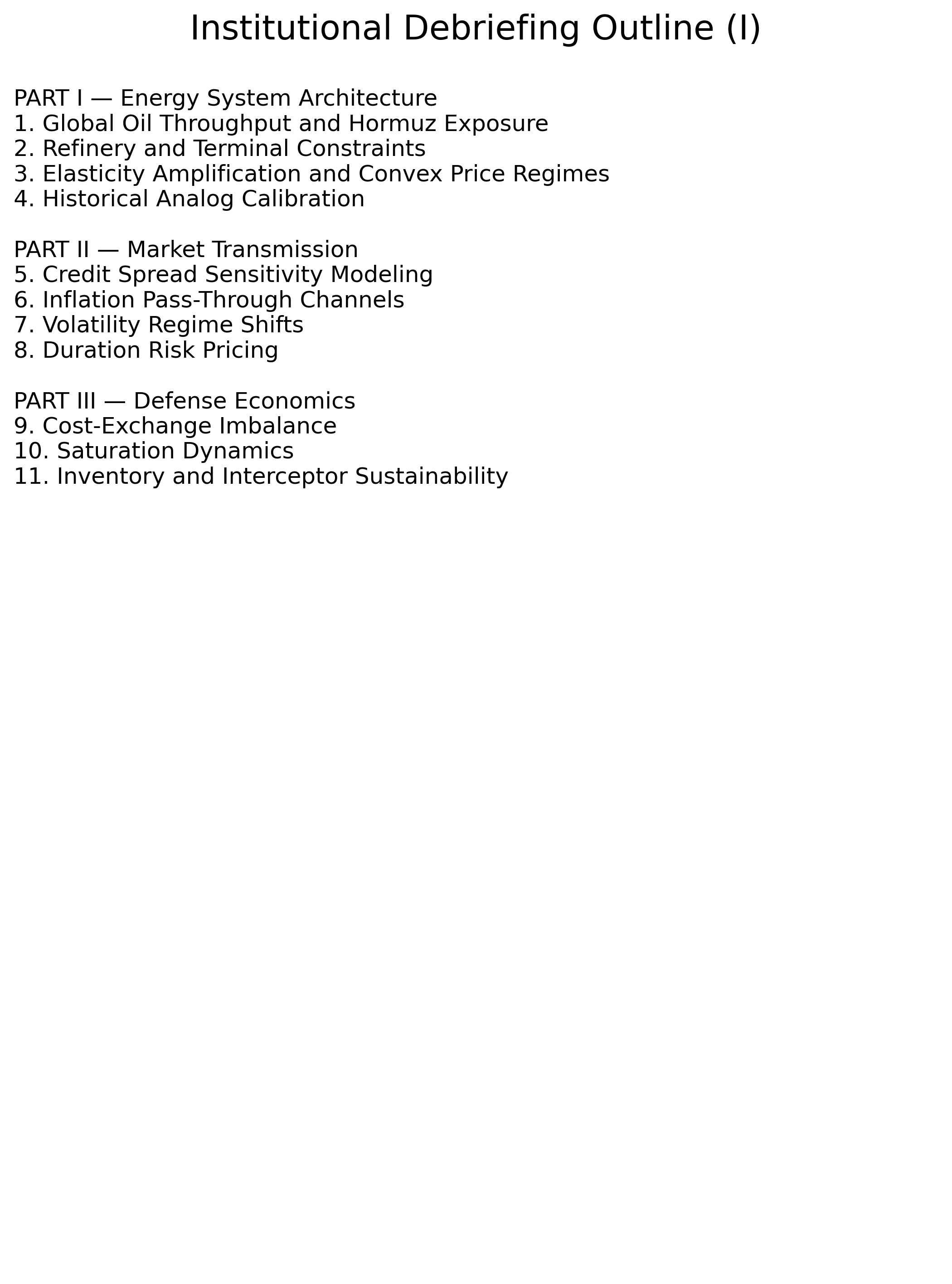 Image 3 of 5
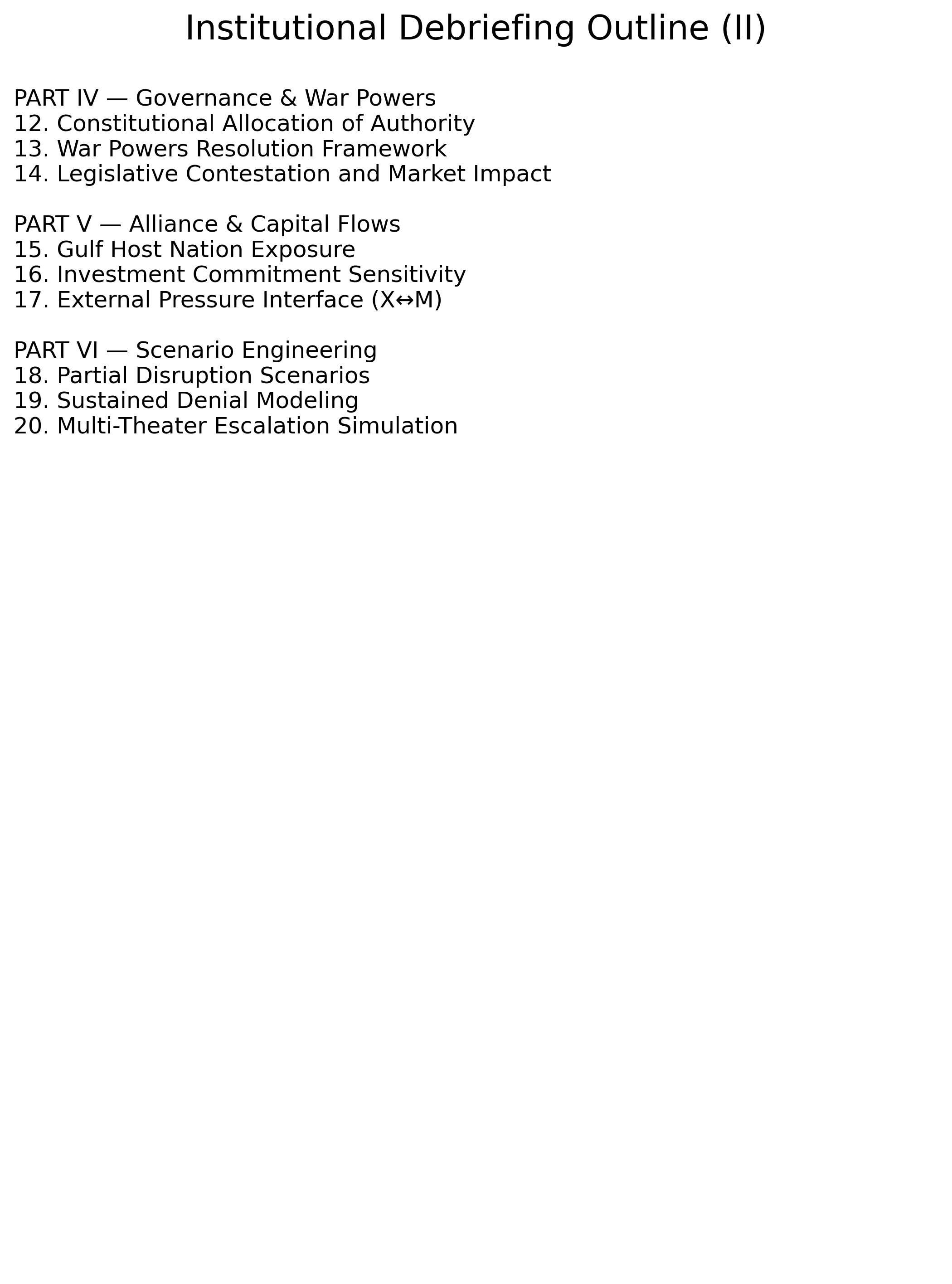 Image 4 of 5
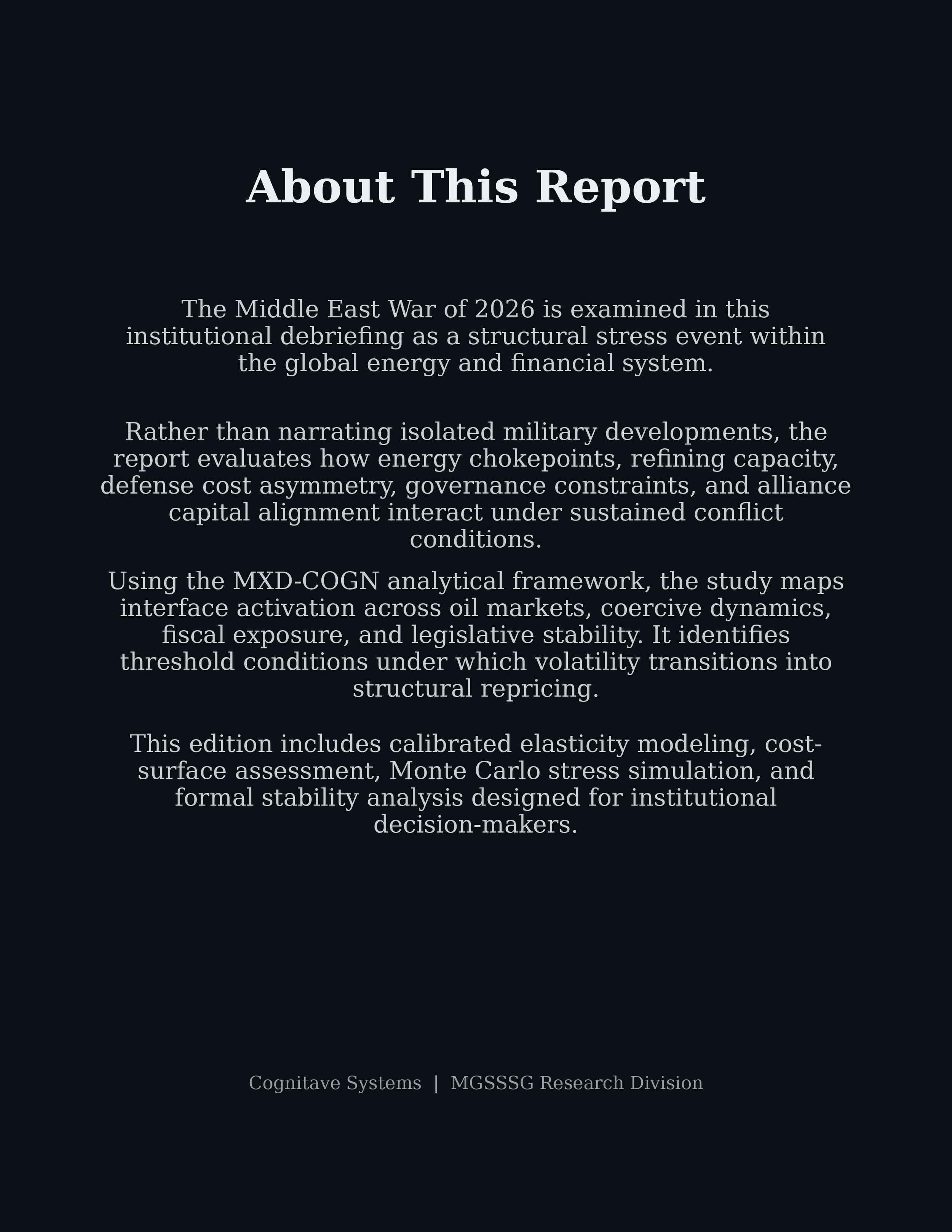 Image 5 of 5
Institutional Edition – MXD-COGN Framework
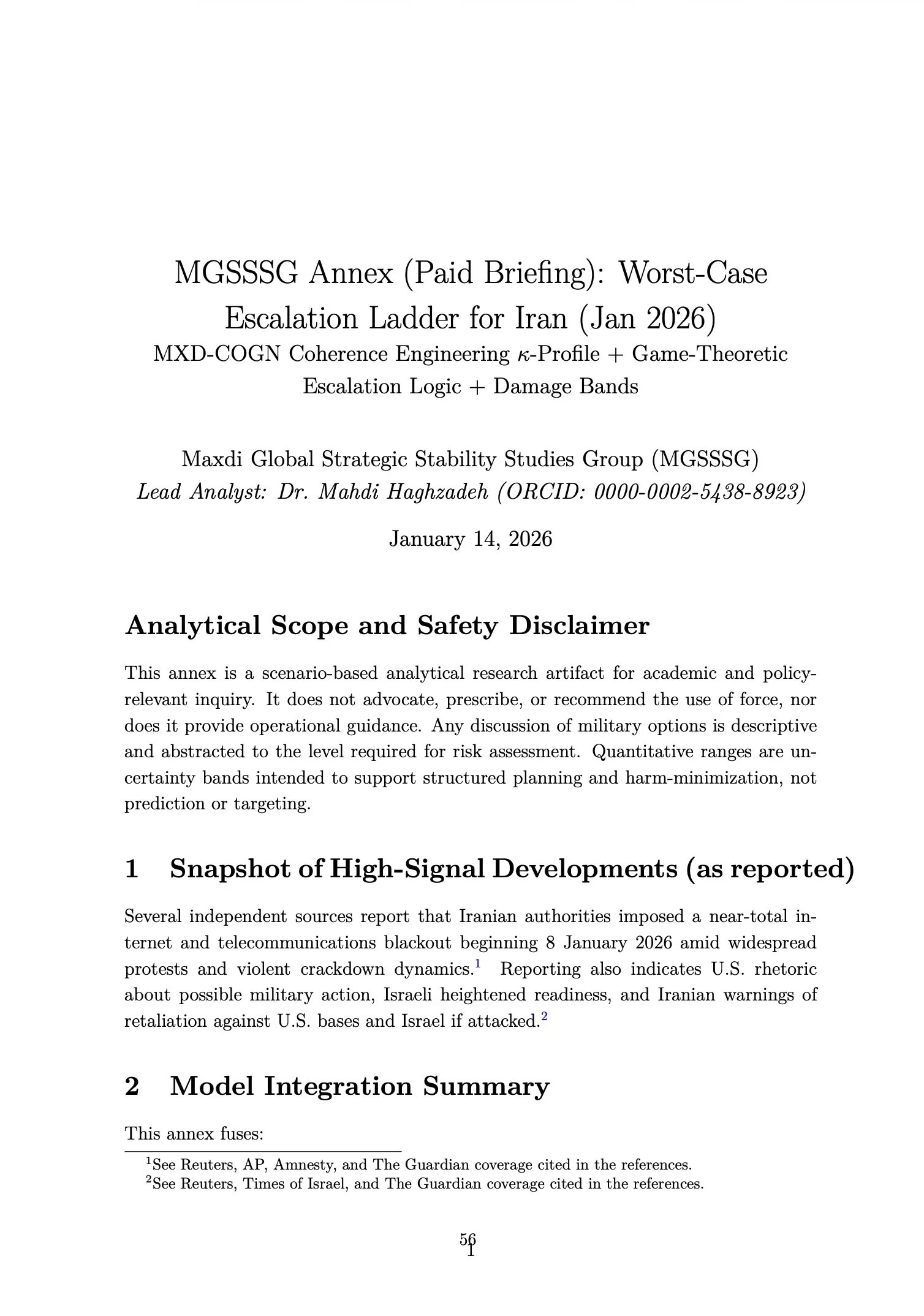
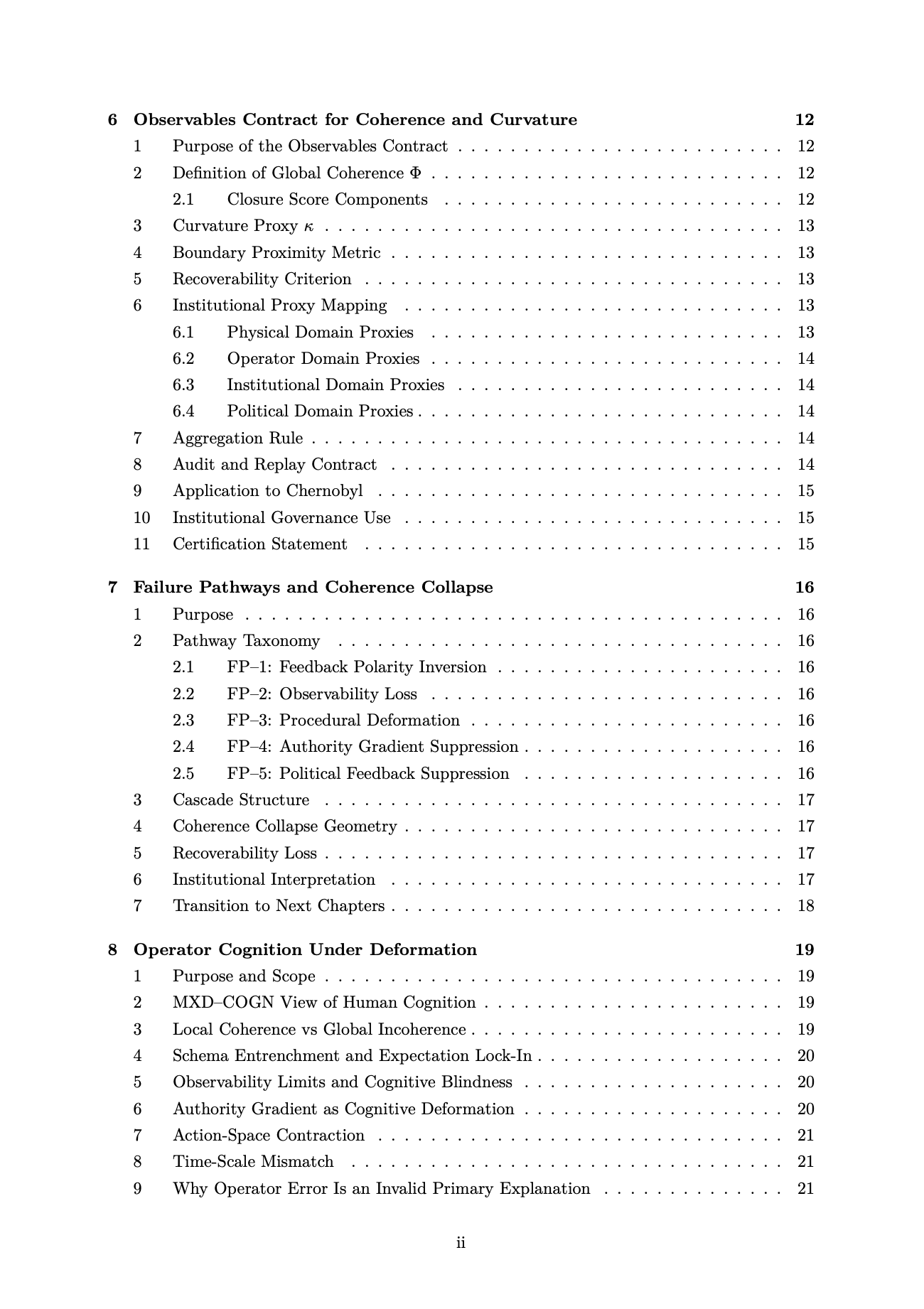
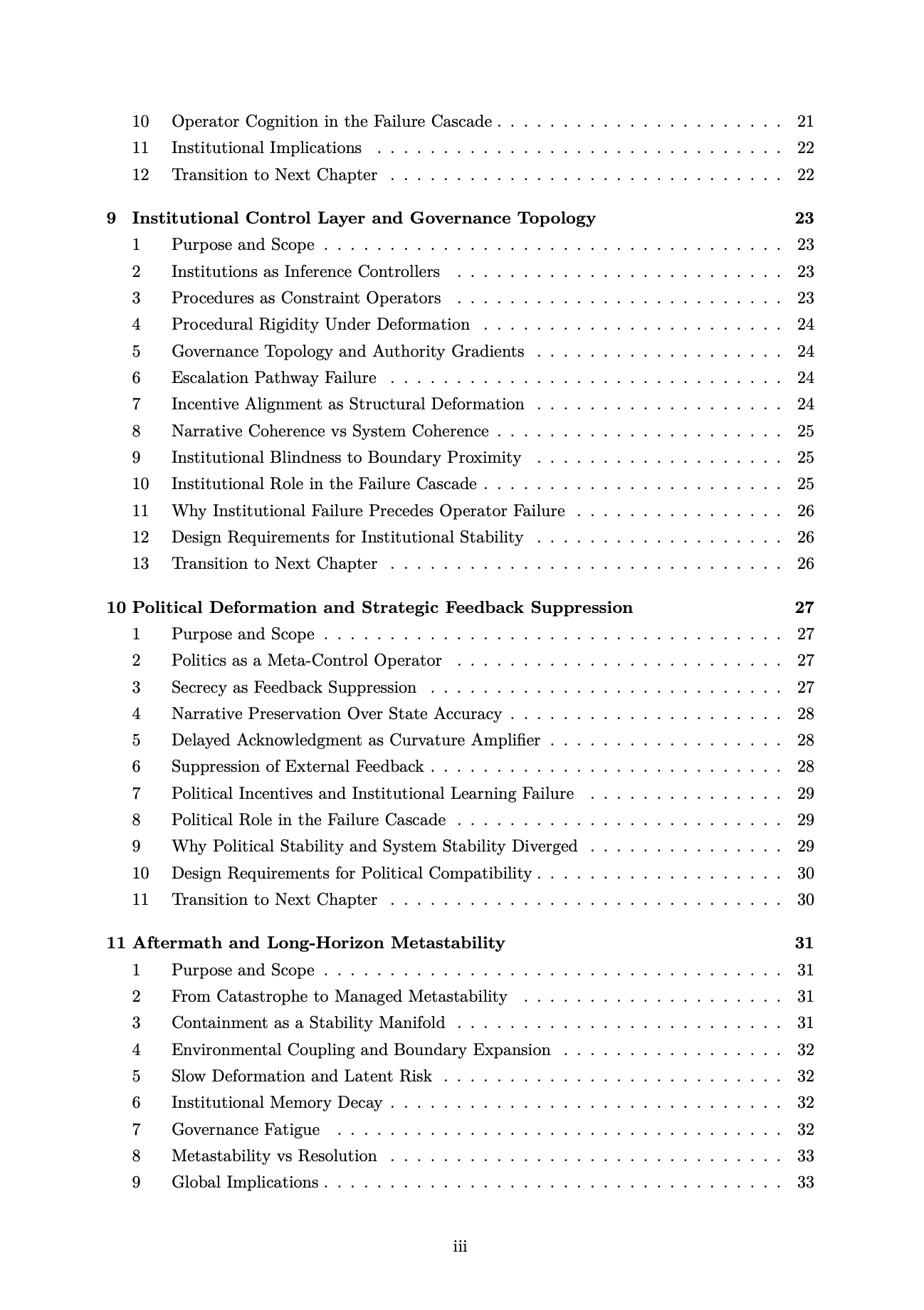
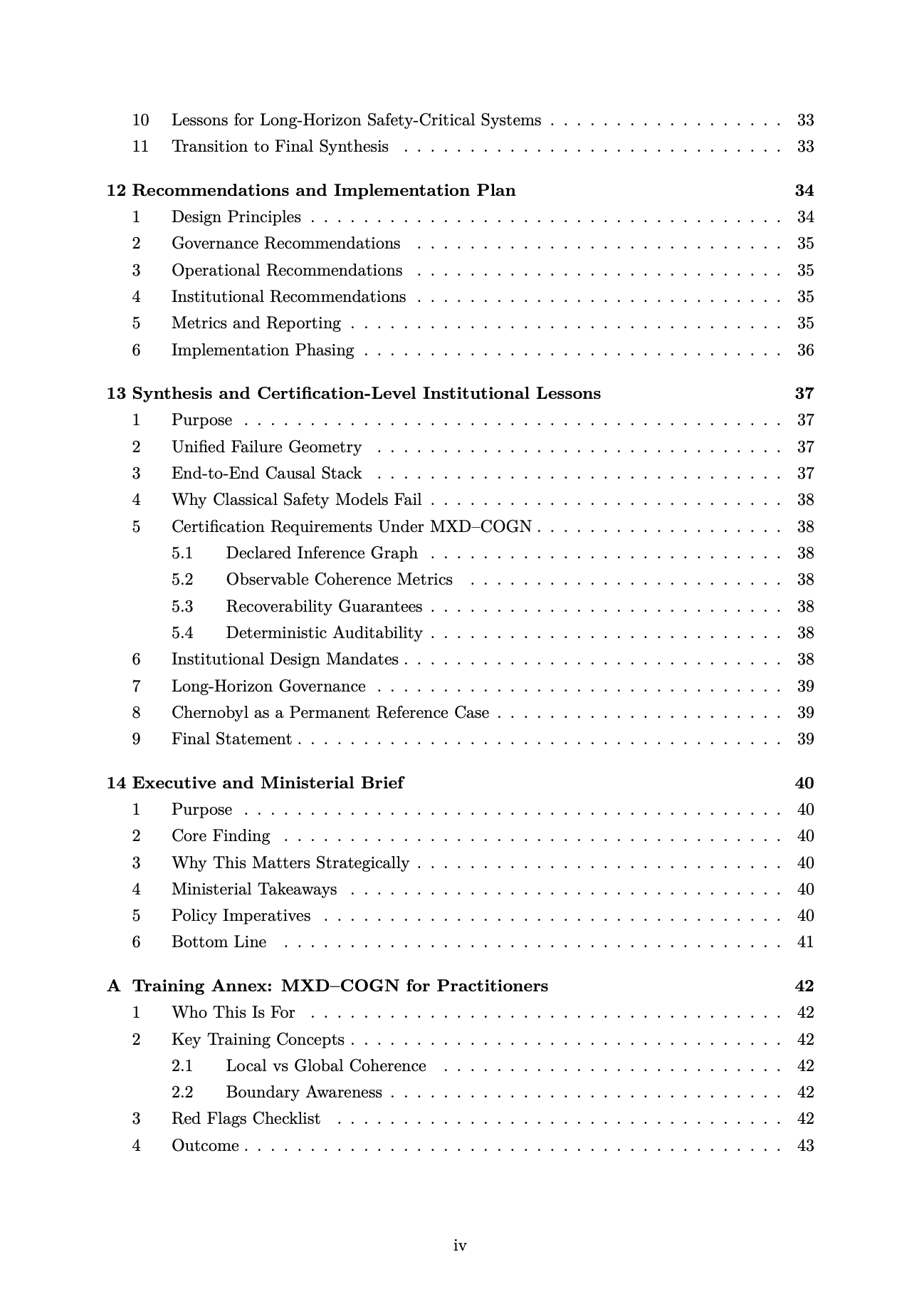
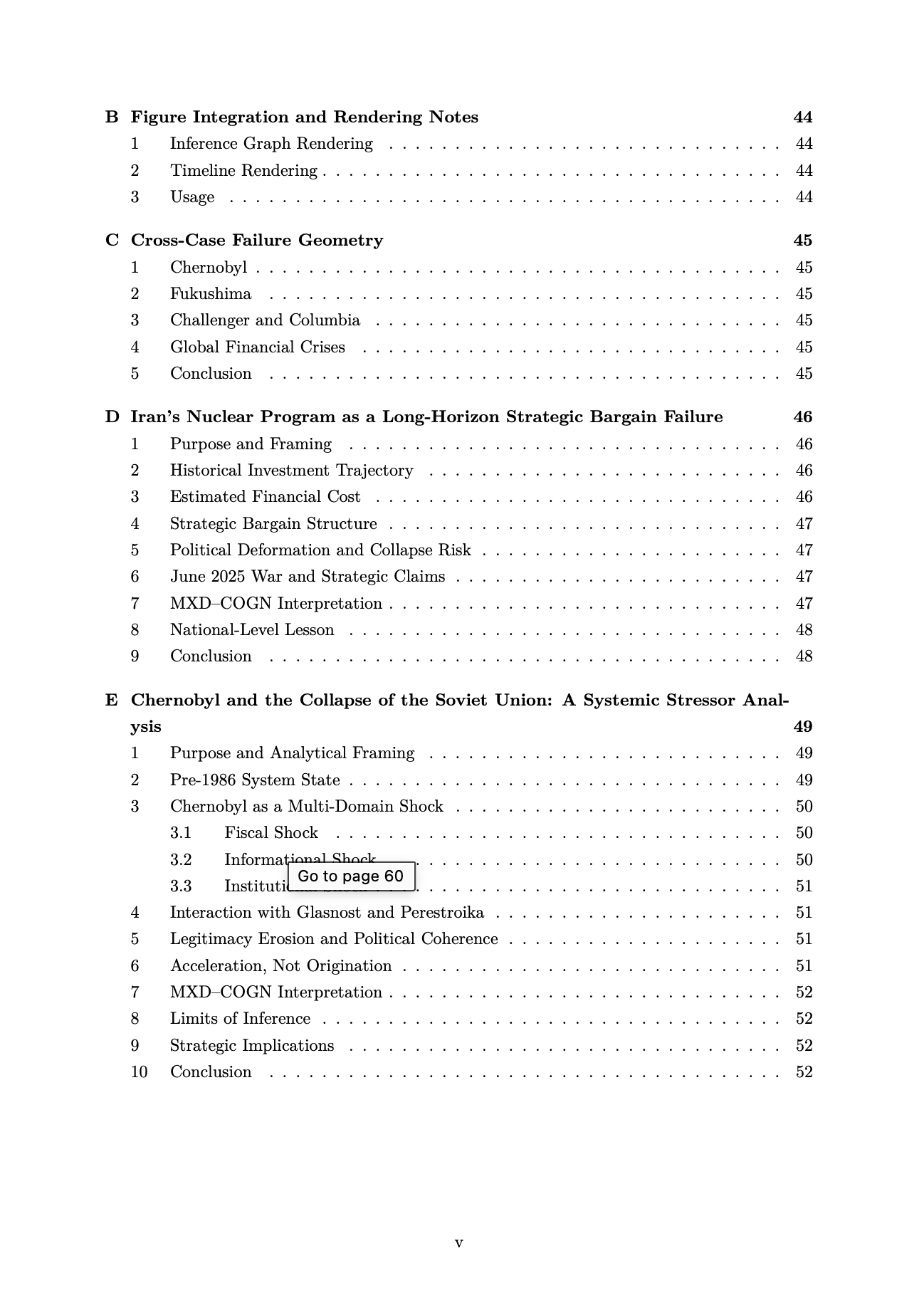
The Middle East War of 2026 introduces multi-axis stress into the global energy system under conditions of limited spare capacity, elevated sovereign leverage, and asymmetric defense cost structures.
This institutional debriefing analyzes the conflict not as a sequence of military events, but as a deformation process across coupled domains: energy throughput, market pricing, governance cohesion, defense economics, and alliance capital alignment.
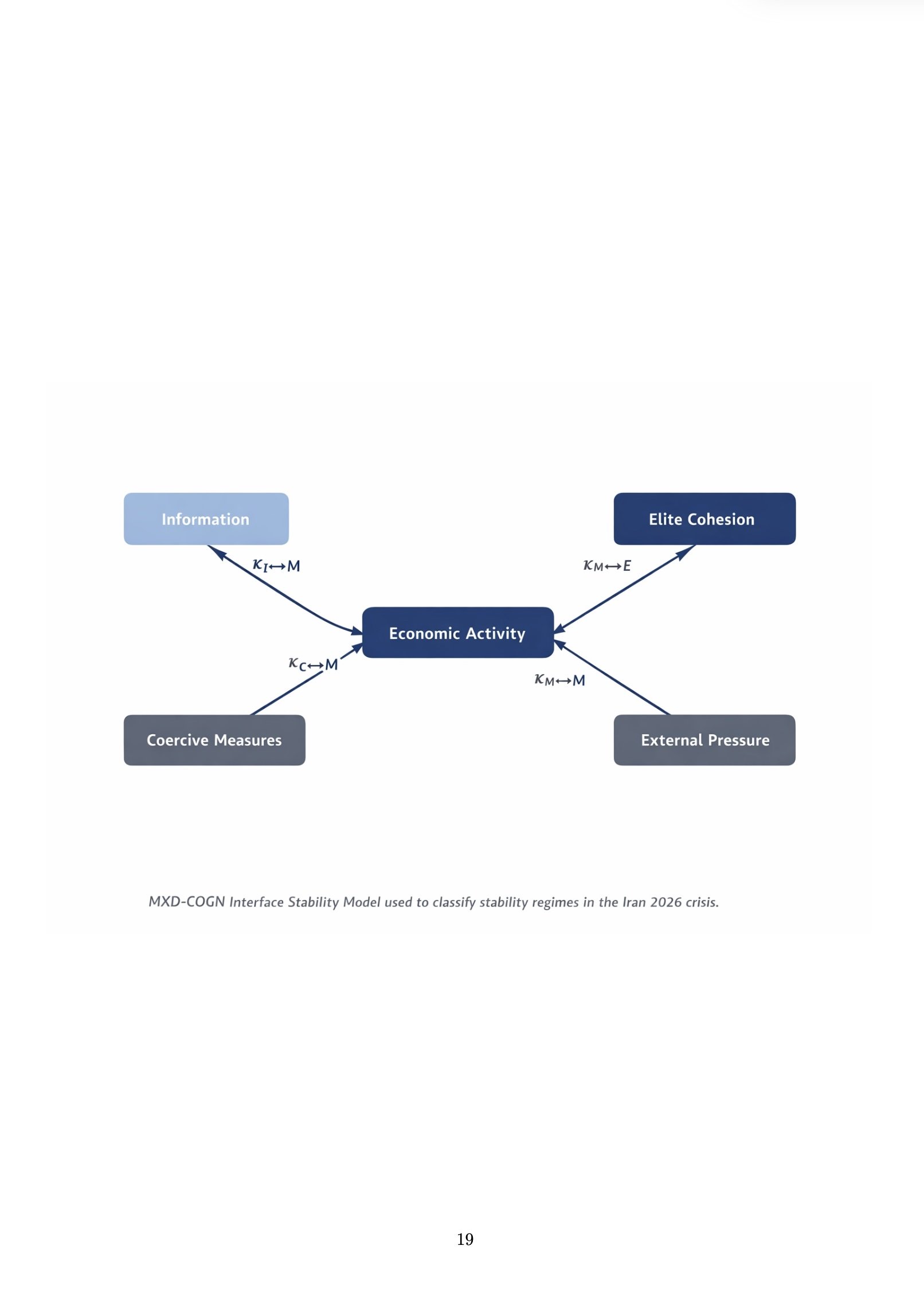
The report applies the MXD-COGN framework to evaluate how localized kinetic actions propagate into systemic risk through interface activation.
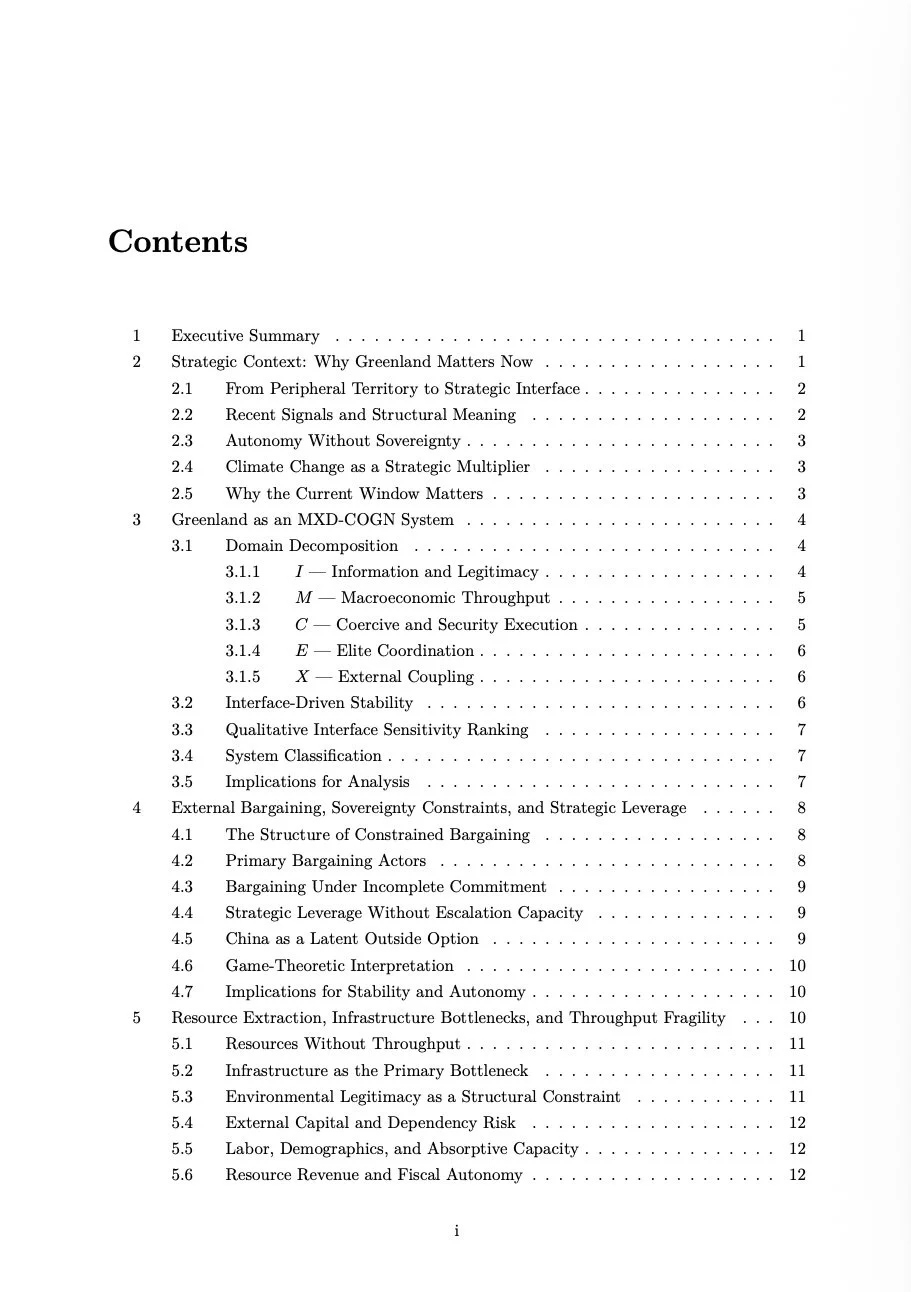
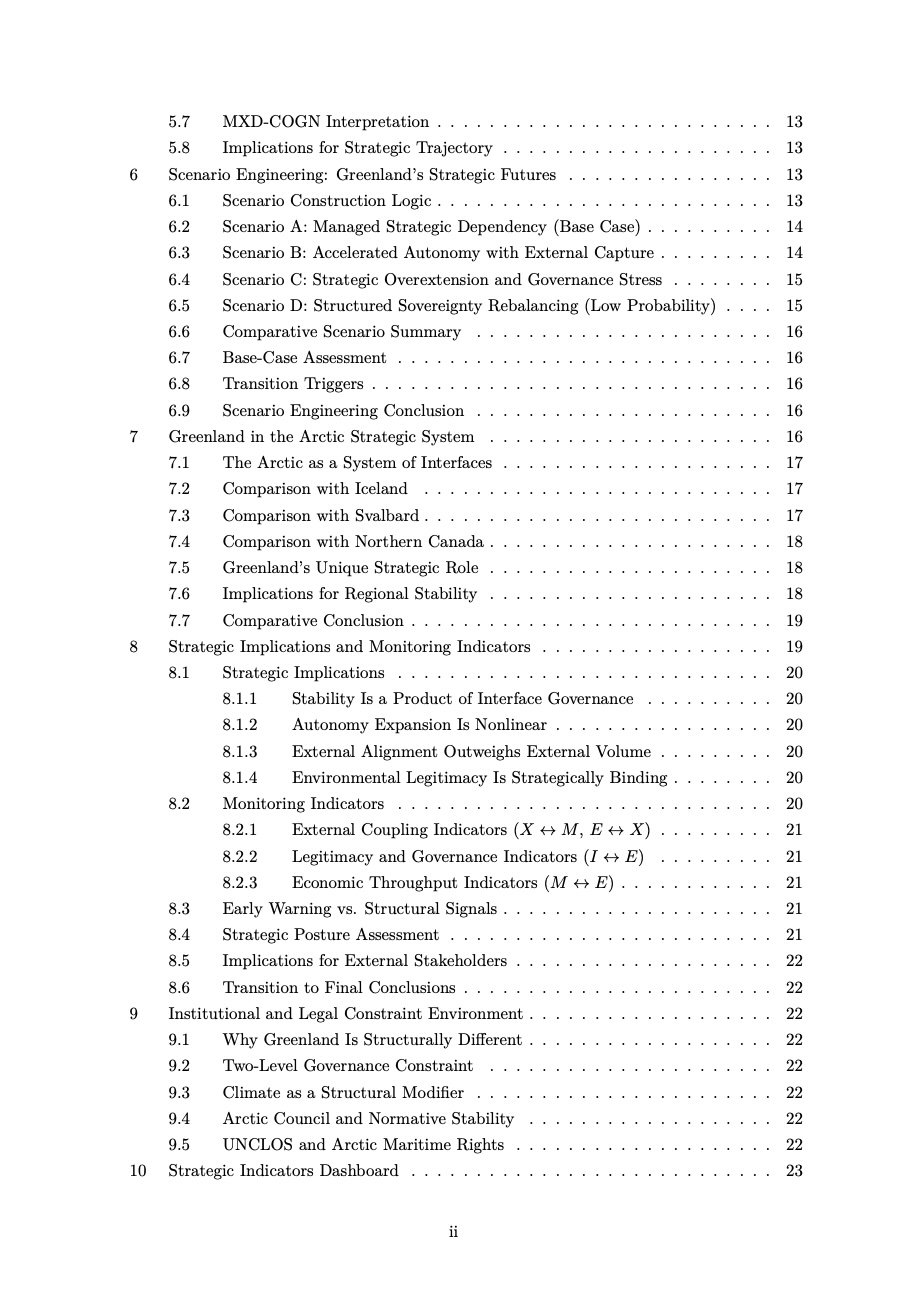
The report develops a structured assessment across five interacting domains:
Energy flow constraints (Hormuz throughput, refinery exposure, export terminals, bypass capacity)
Elasticity amplification and convex price response regimes
Credit spread sensitivity under concurrent oil and governance stress
Defense cost-exchange asymmetry under saturation conditions
War powers and legislative constraint dynamics in U.S. governance
Gulf alliance confidence and capital allocation sensitivity
Rather than forecasting outcomes, the analysis identifies structural thresholds and transition conditions under which escalation shifts from volatility to systemic repricing.
The institutional edition includes:
Interface-based cost surface modeling
Elasticity calibration using historical analogs
Monte Carlo stress simulations under multi-theater scenarios
Defense expenditure gradient analysis
Governance–market coupling assessment
Stability conditions and phase transition proofs
Audit-ready observables and trigger matrices
All conclusions are derived from publicly available information and formal structural modeling.
The relevant analytical question is not whether escalation occurs.
It is whether energy disruption, fiscal exposure, governance contestation, and cost-exchange imbalance activate simultaneously.
Concurrent interface activation increases discontinuity probability.
This report is designed for:
Institutional investors and macro strategy desks
Energy market participants
Sovereign risk and credit analysts
Defense and national security professionals
Legislative and policy researchers
Institutional PDF report
Approx. 50–60 pages
Mathematical appendix and stability analysis included
This document is an analytical research product. It does not constitute investment advice, legal advice, or policy advocacy.
Institutional Edition – MXD-COGN Framework
The Middle East War of 2026 introduces multi-axis stress into the global energy system under conditions of limited spare capacity, elevated sovereign leverage, and asymmetric defense cost structures.
This institutional debriefing analyzes the conflict not as a sequence of military events, but as a deformation process across coupled domains: energy throughput, market pricing, governance cohesion, defense economics, and alliance capital alignment.
The report applies the MXD-COGN framework to evaluate how localized kinetic actions propagate into systemic risk through interface activation.
The report develops a structured assessment across five interacting domains:
Energy flow constraints (Hormuz throughput, refinery exposure, export terminals, bypass capacity)
Elasticity amplification and convex price response regimes
Credit spread sensitivity under concurrent oil and governance stress
Defense cost-exchange asymmetry under saturation conditions
War powers and legislative constraint dynamics in U.S. governance
Gulf alliance confidence and capital allocation sensitivity
Rather than forecasting outcomes, the analysis identifies structural thresholds and transition conditions under which escalation shifts from volatility to systemic repricing.
The institutional edition includes:
Interface-based cost surface modeling
Elasticity calibration using historical analogs
Monte Carlo stress simulations under multi-theater scenarios
Defense expenditure gradient analysis
Governance–market coupling assessment
Stability conditions and phase transition proofs
Audit-ready observables and trigger matrices
All conclusions are derived from publicly available information and formal structural modeling.
The relevant analytical question is not whether escalation occurs.
It is whether energy disruption, fiscal exposure, governance contestation, and cost-exchange imbalance activate simultaneously.
Concurrent interface activation increases discontinuity probability.
This report is designed for:
Institutional investors and macro strategy desks
Energy market participants
Sovereign risk and credit analysts
Defense and national security professionals
Legislative and policy researchers
Institutional PDF report
Approx. 50–60 pages
Mathematical appendix and stability analysis included
This document is an analytical research product. It does not constitute investment advice, legal advice, or policy advocacy.