
EDFS CORE
Graph-Native Engineering Design Flow Foundation
EDFS Core is the foundational edition of Electronics Design Flow Studio. It provides the common graph, execution, numerical, project, provenance, results, and reporting infrastructure shared by every EDFS edition.
Purpose
Build, execute, preserve, and reproduce engineering workflows within one canonical project and graph environment.
EDFS CORE
Graph-Native Engineering Design Flow Foundation
EDFS Core is the foundational edition of Electronics Design Flow Studio. It provides the common graph, execution, numerical, project, provenance, results, and reporting infrastructure shared by every EDFS edition.
Purpose
Build, execute, preserve, and reproduce engineering workflows within one canonical project and graph environment.
Core Architecture
Graph editor and project system
Canonical graph runtime
Graph Schema v2
Kernel API v1
Scheduler, cache, and run state
Provenance and authority tracking
Results contract and serialization
Deterministic execution and replay
Viewer and engineering reports
Numerical Environment
Python / NumPy runtime
GNU Octave integration
MATLAB-compatible reference interfaces where applicable
Numerical kernels executed through declared interfaces rather than UI-side computation
Project & Reporting
Persistent engineering projects
Structured results
LaTeX / PDF report generation
Reproducible run records
Validation and regression support
Product Principle: One runtime. Many engines.
EDFS Core establishes the common execution language used by RF, XiRA, MXD-COGN, quantum, and future domain engines without requiring separate product forks.
CORE CAPABILITIES
Graph-Native Execution
Engineering objects are represented as typed nodes and edges with explicit kernels, transport semantics, state identity, units, validity, provenance, and authority.
Kernel-Based Computation
Engineering operations execute through declared EDFS kernels, separating computational mathematics from presentation and supporting multiple numerical backends through a common runtime contract.
Deterministic Execution & Replay
EDFS records graph, kernel, parameter, input, environment, and adapter state so engineering runs can be reproduced, compared, validated, and traced.
Result Authority
Results are accepted only after numerical, schema, closure, and provenance requirements pass. The Viewer renders authoritative backend results rather than creating inference in the UI.
Cross-Platform Runtime
macOS
Windows
Linux
HTTP reference runtime
Native desktop host architecture
EDFS uses a common graph, kernel, and results architecture across presentation environments, preserving consistent execution semantics across platforms.
Designed For
General engineering workflow construction
Numerical design studies
Reproducible computational experiments
Engineering education and training
Design-flow prototyping
Reporting and technical documentation
Foundation for EDFS RF, RF Advanced, and Research
Current Product Position
EDFS Core is the common software foundation for all EDFS editions. RF, RF Advanced, and Research add domain engines and higher inference without altering the Core runtime.
EDITION Core | PLATFORM EDFS 2026 R1 | RUNTIME Graph + Kernel + Numerical Engine | BACKENDS Python / NumPy · Octave | REPORTING LaTeX / PDF | UPGRADE PATH RF → RF Advanced → Research
Downloads & Resources
Access the current EDFS Core release package, technical documentation, release information, and reference engineering examples.
EDFS Core Package
Current packaged release of the Core runtime and user environment.
Technical Documentation
Architecture, installation, project workflow, runtime, and reporting documentation.
Release Notes
Version history, implemented capabilities, changes, known limitations, and qualification status.
Example Scenarios
Reference projects demonstrating graph construction, numerical execution, reproducibility, and reporting.
Source & Repository Resources
GitHub or repository access for published components, reference implementations, examples, and developer resources where available.
DOWNLOAD EDFS CORE · DOCUMENTATION · RELEASE NOTES · EXAMPLES · GITHUB
Training & Demonstrations
Learn EDFS Core through guided workflows, reference demonstrations, and engineering examples.
Quick-Start Guide
Create a project, construct a graph, execute numerical kernels, inspect results, and generate a report.
Workshop
Structured hands-on training in EDFS project construction, execution, reproducibility, and engineering workflow design.
Webinars & Demonstrations
Recorded technical sessions covering EDFS architecture, workflow execution, and application examples.
Example Walkthroughs
Step-by-step demonstrations of representative Core workflows and reference projects.
QUICK START · WORKSHOP · WATCH WEBINARS · VIEW WALKTHROUGHS
Release History
EDFS follows a governed release process built around canonical architecture, validation, regression, packaging, and cross-platform qualification.
2026 R1 — Current Release Program
Canonical consolidation of the EDFS graph runtime, Graph Schema v2, Kernel API v1, results contract, numerical backends, reporting, provenance, validation, and tiered edition architecture.
RC1 — Release Candidate
Final qualification stage following cross-domain parity, regression, packaging, and release acceptance.
GA — General Availability
Production release following completion of R1 qualification and acceptance gates.
Future Releases
Subsequent releases will extend capabilities while preserving the common EDFS graph, kernel, project, and results architecture.
VIEW RELEASE NOTES · R1 ROADMAP · QUALIFICATION STATUS
Related Editions
EDFS RF · EDFS RF Advanced · EDFS Research
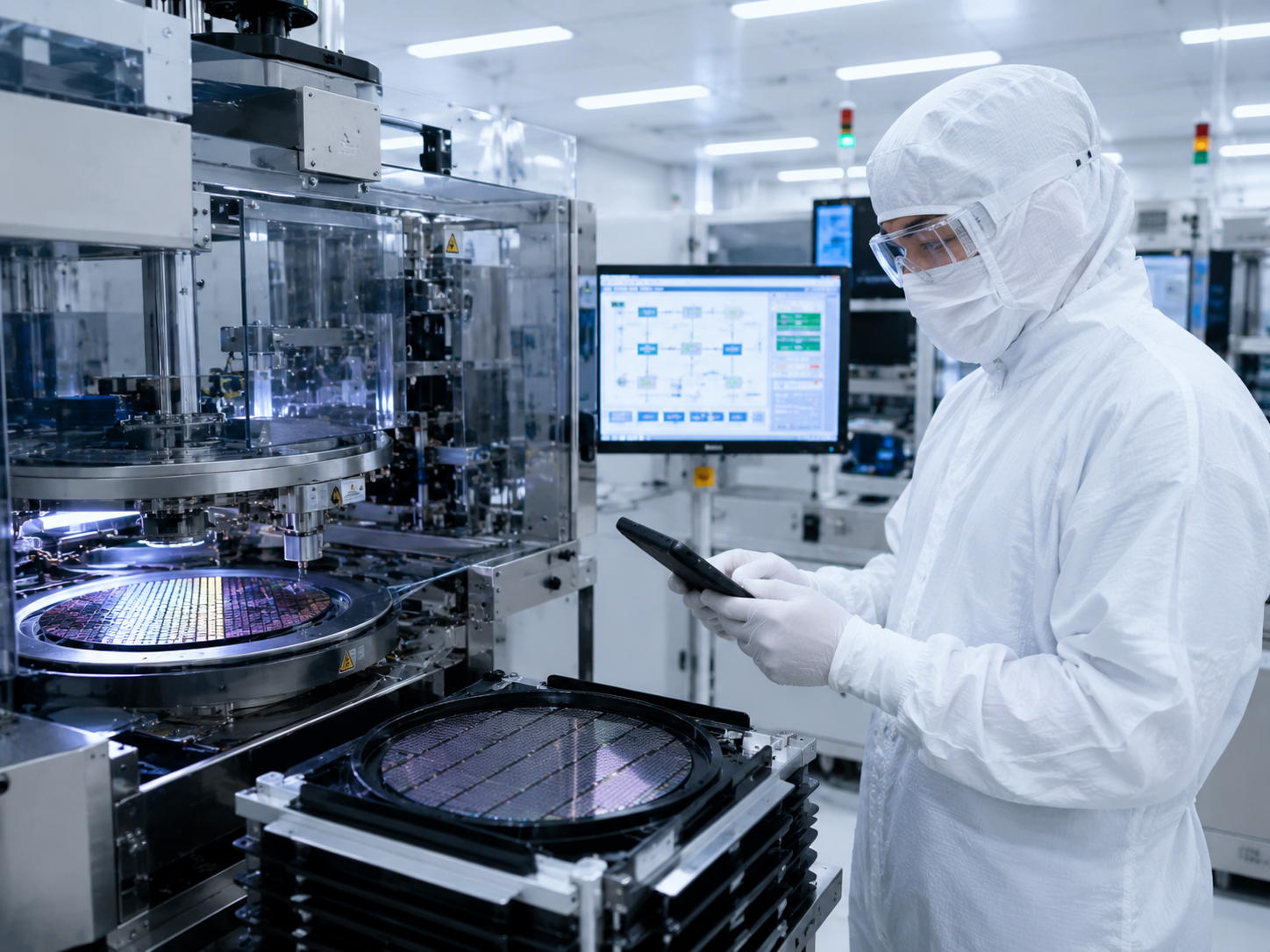
EDFS Core Interface & Execution Examples (Subject to Potential Customizations)
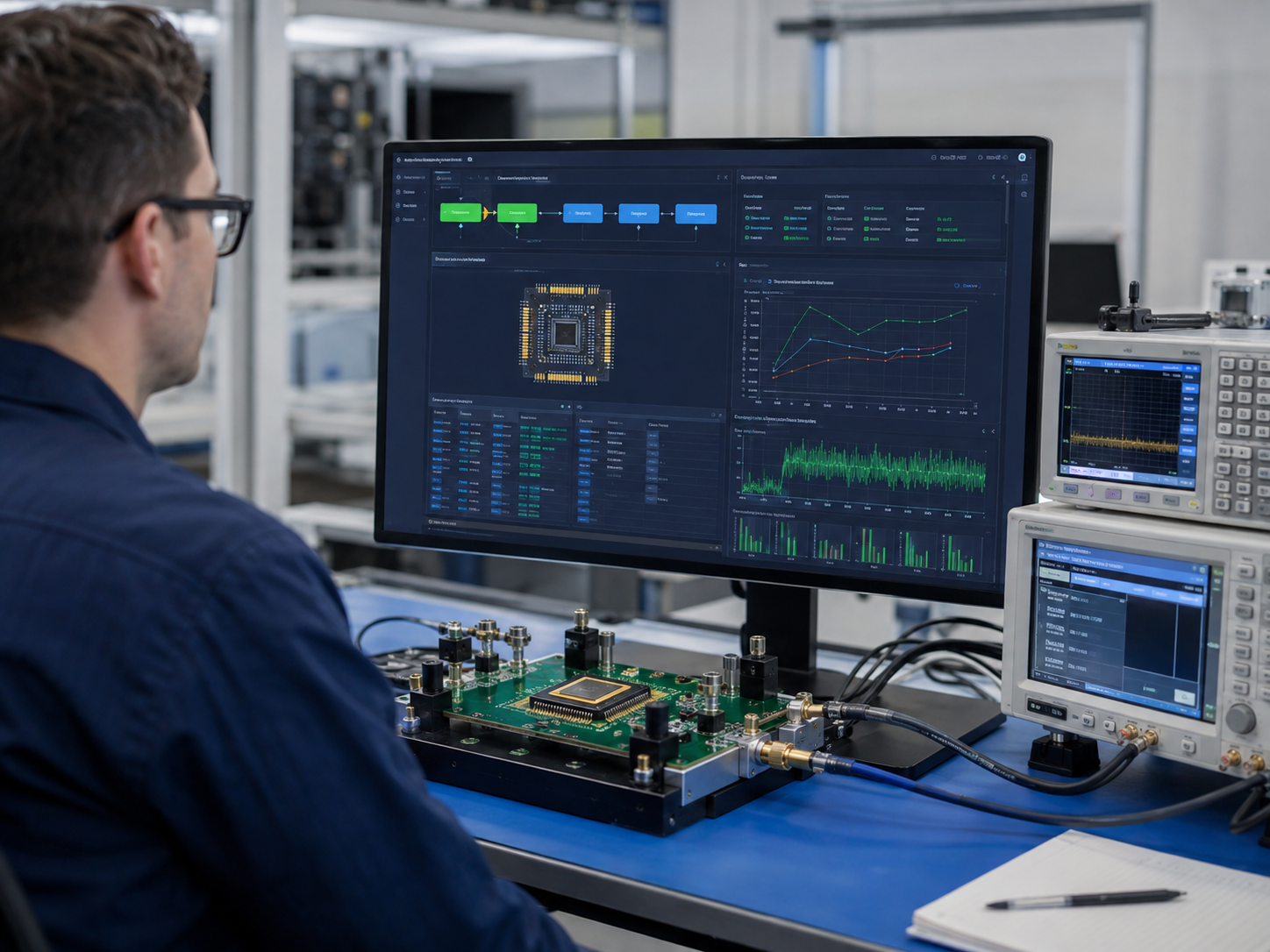
EDFS RF extends the complete EDFS Core environment with physically grounded RF and microwave engineering capabilities.

EDFS RF Advanced includes the complete Core and RF editions and extends the platform with full XiRA capabilities, equivalent-circuit modeling, FSS and reflectarray workflows,

EDFS Research is the most comprehensive EDFS edition. It includes Core, RF, and RF Advanced capabilities and adds MXD-COGN higher inference,